About this Golden Historical Timeline Template
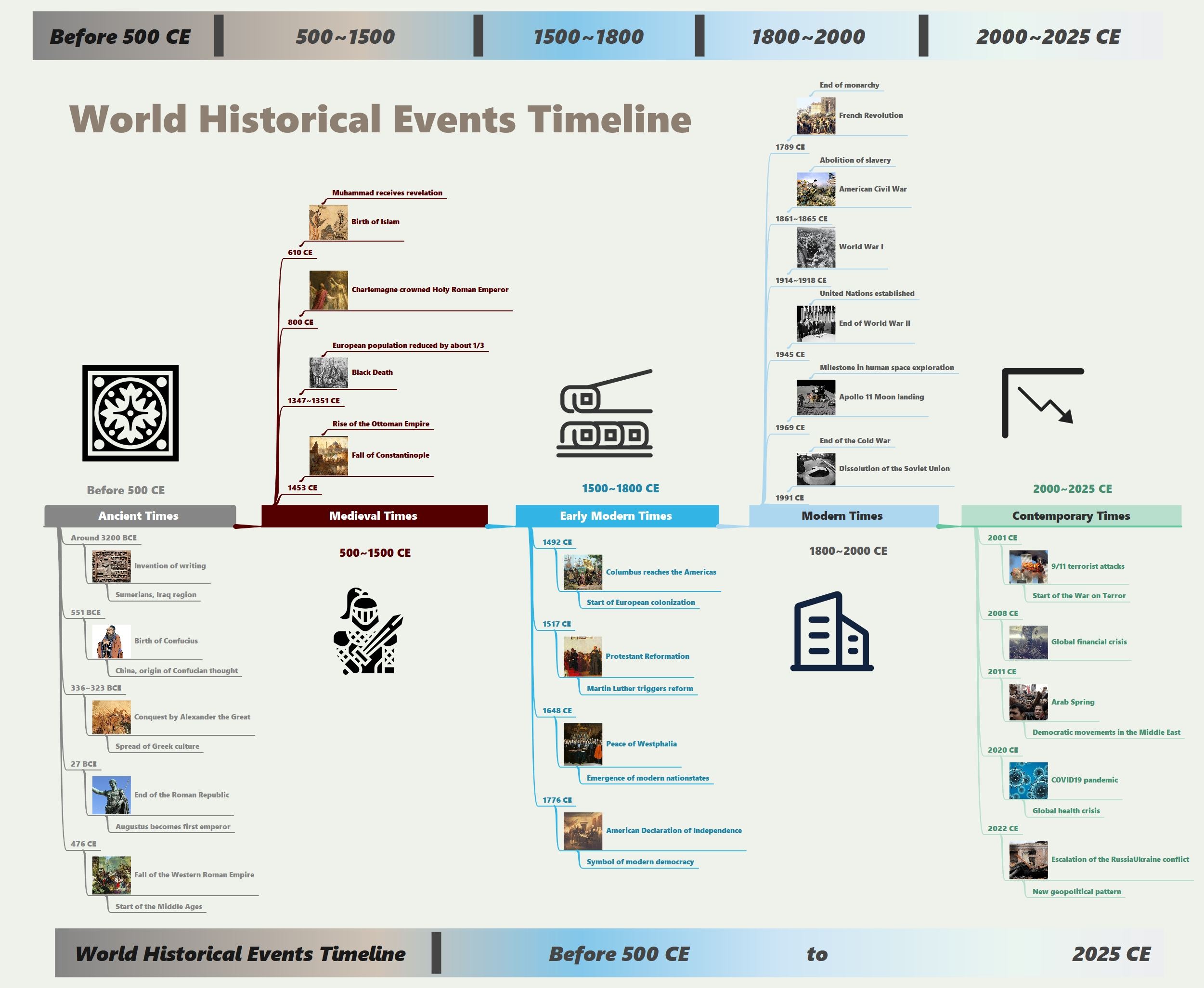
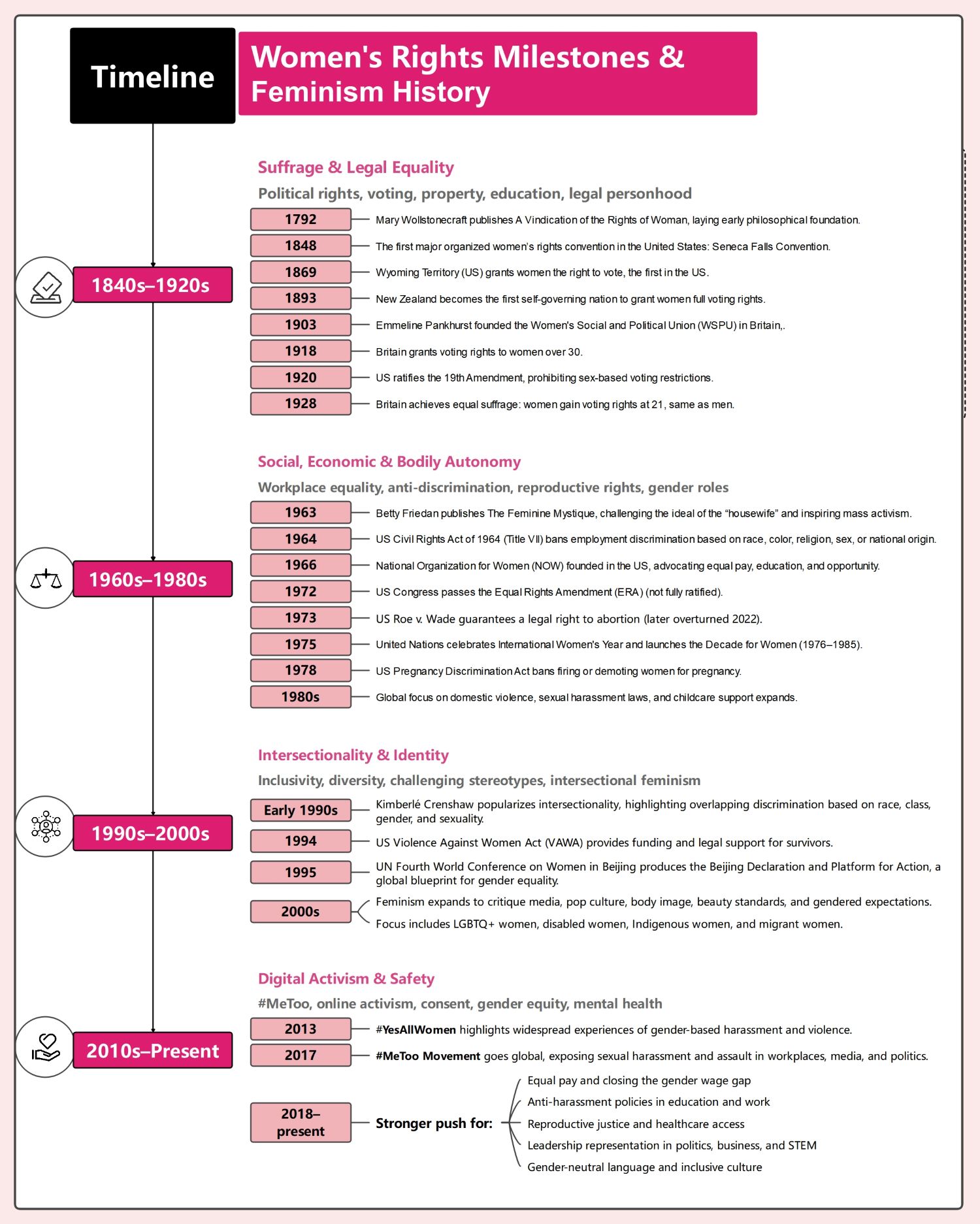
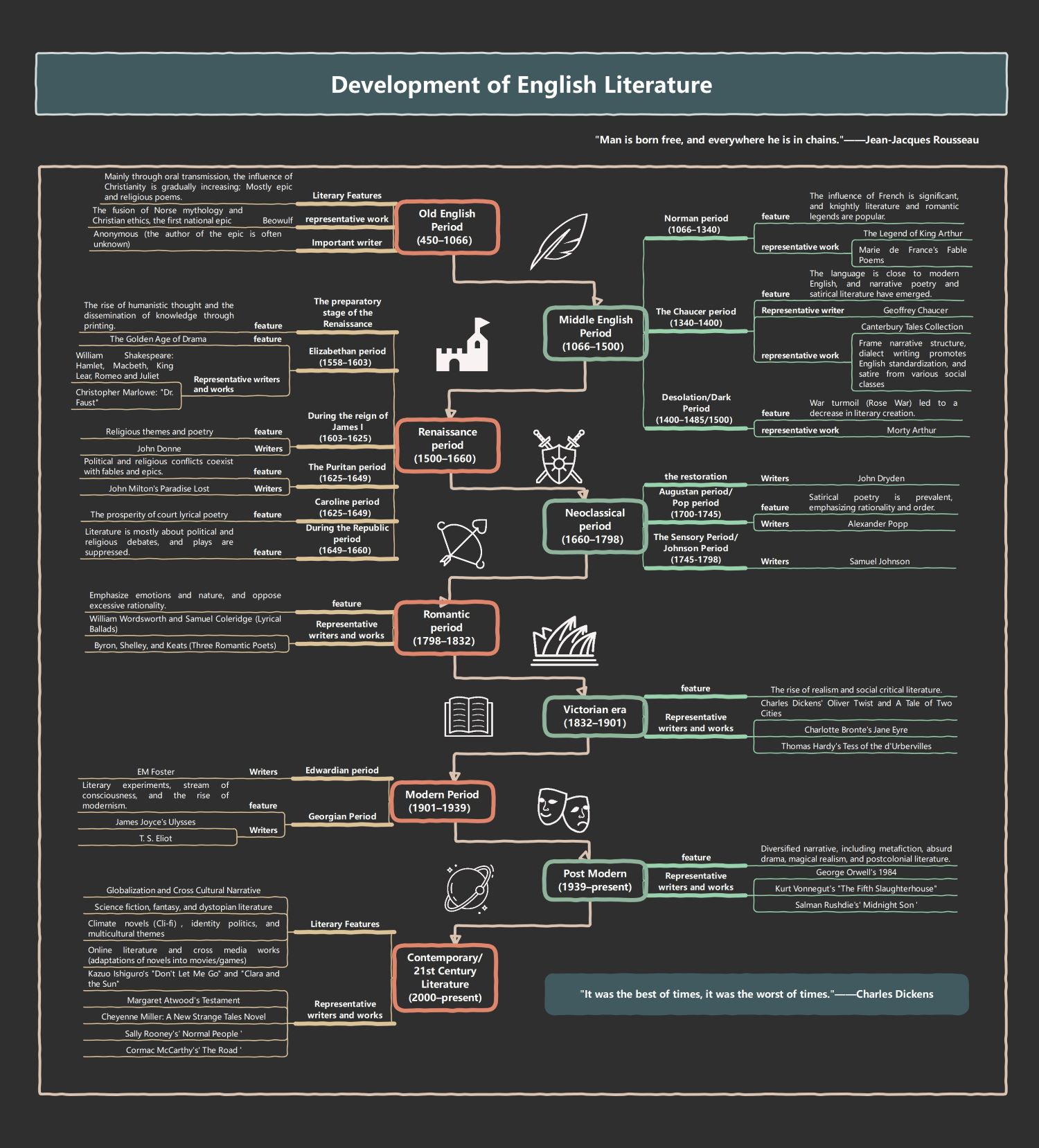
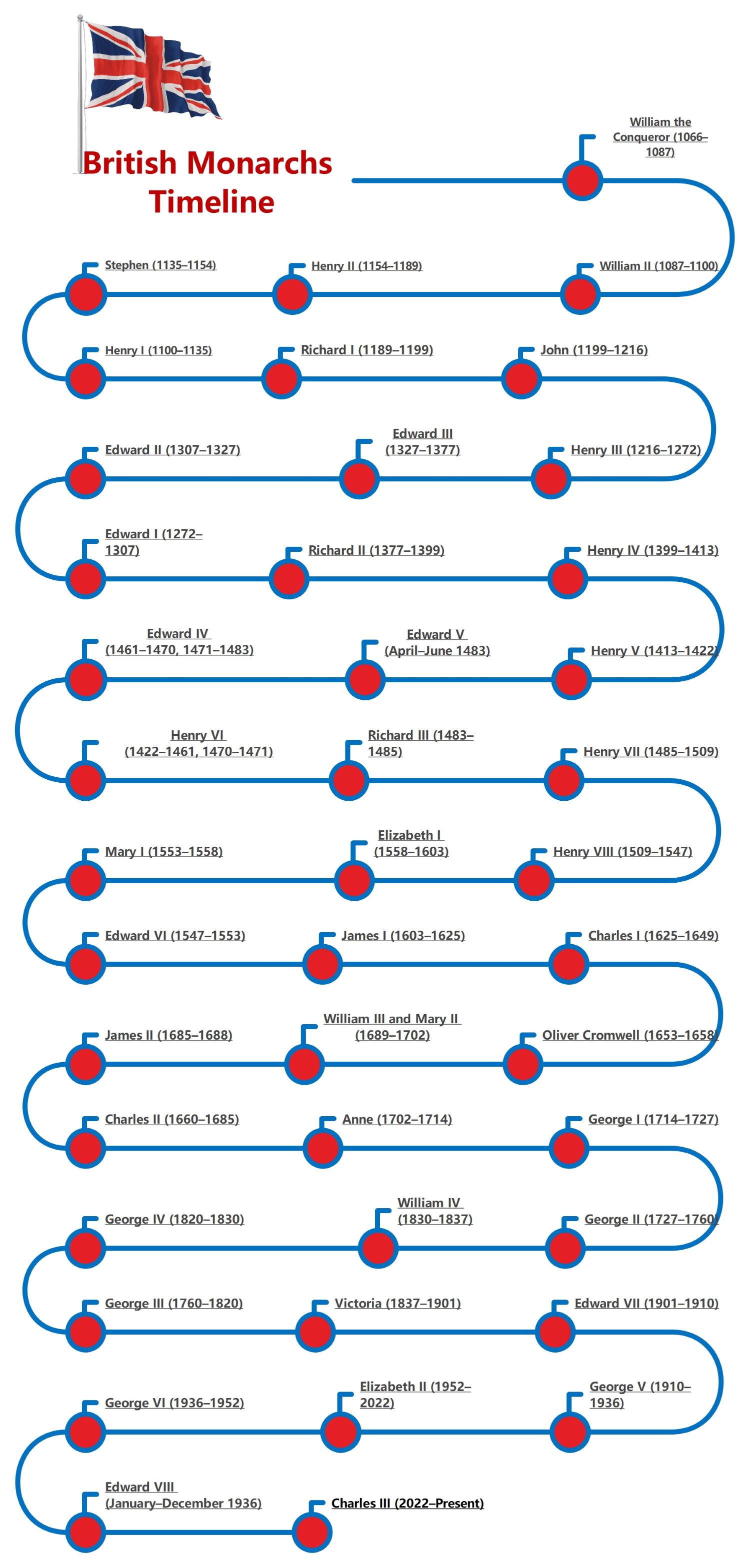
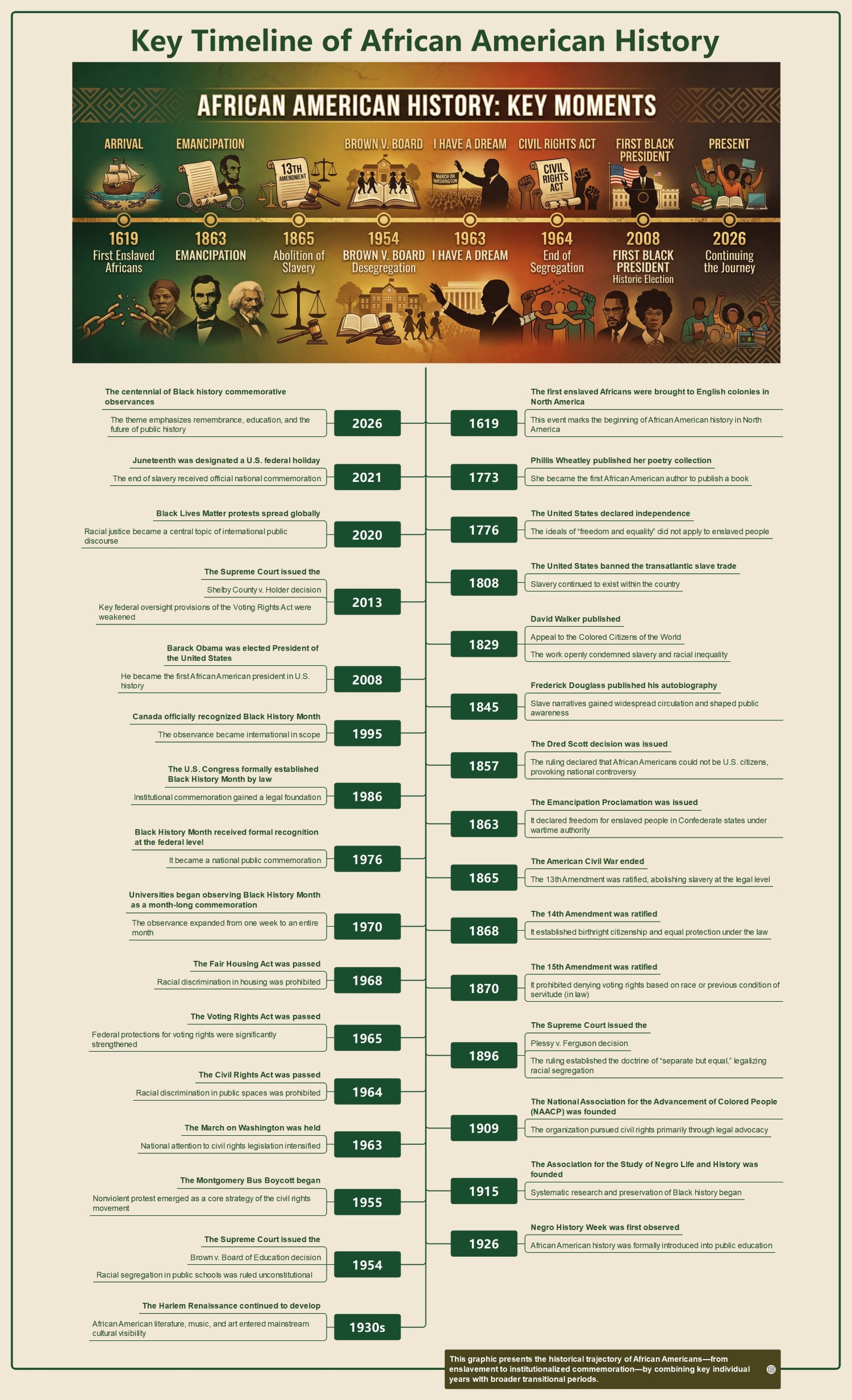
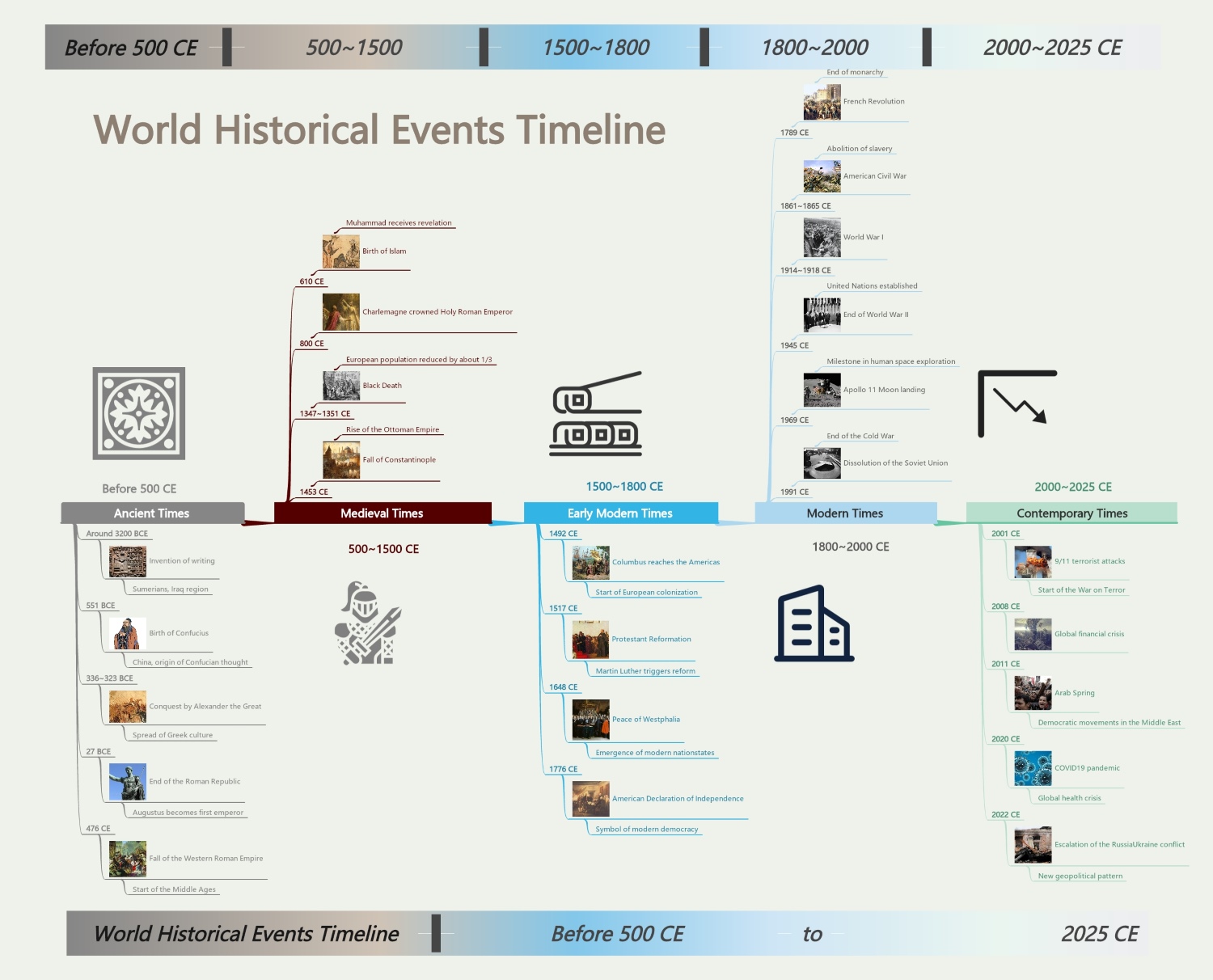
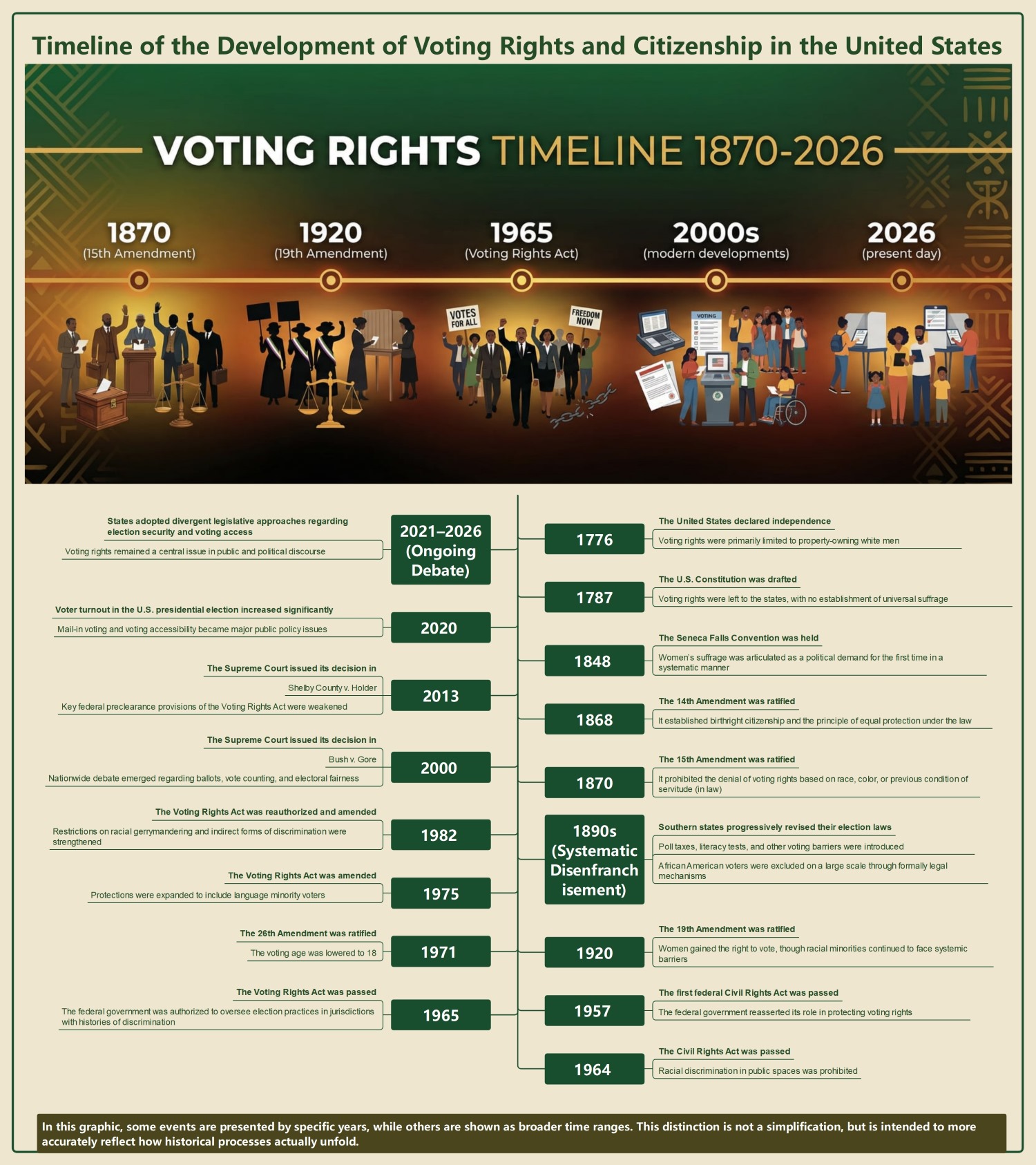
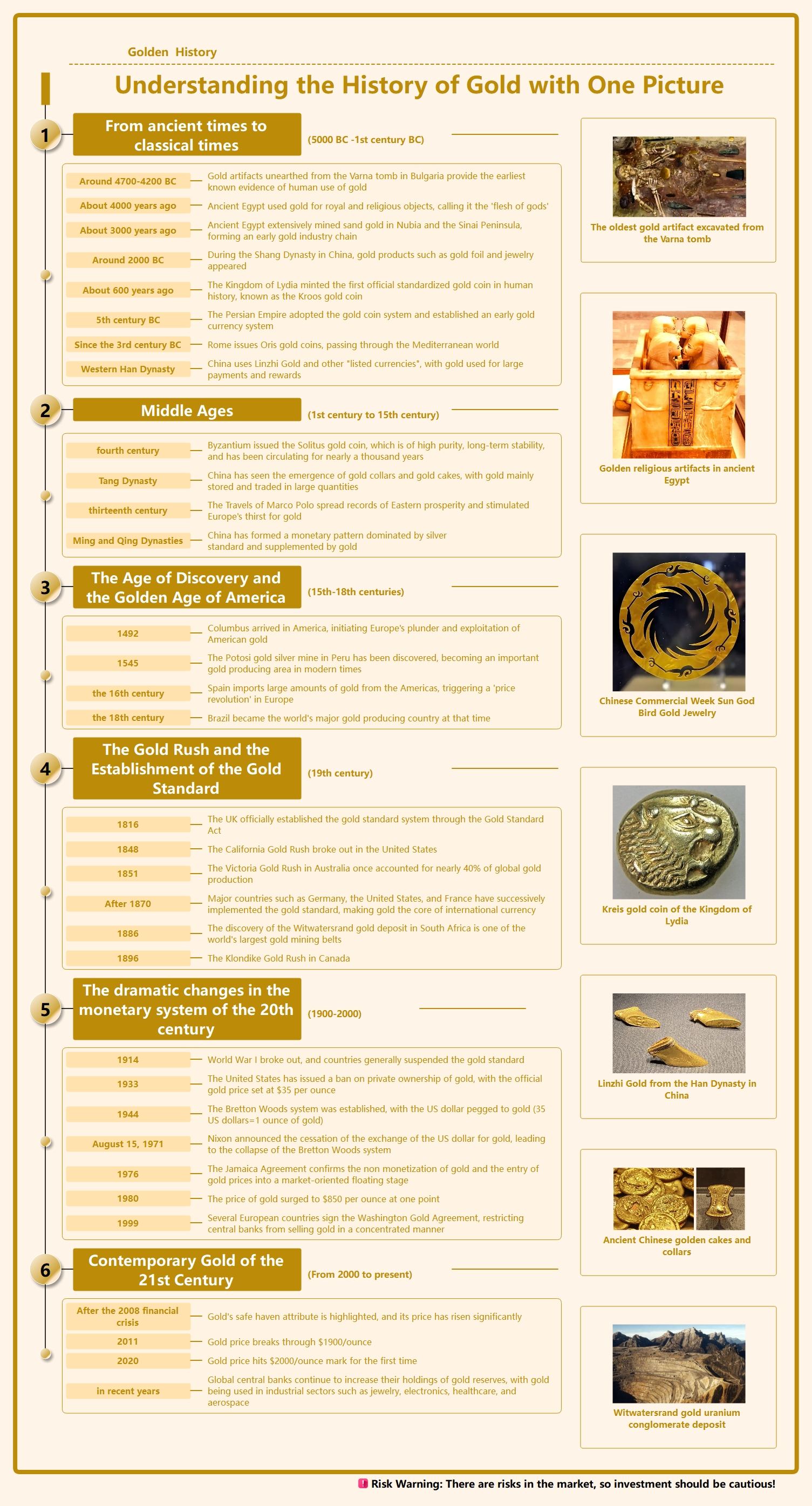
This “Golden Historical Timeline” template arranges historical periods as dated nodes, making long-term development easier to review in sequence.
About 4000 years ago
This node marks one of the earliest points in the sequence, giving the timeline a deep historical starting position.
- Use this node to anchor the earliest stage of the chronology.
- Keep major historical references tied to the correct era.
About 3000 years ago
This branch advances the sequence into a later historical layer, helping readers see progression rather than isolated dates.
- Use this node to continue the timeline in order.
- Keep major developments attached to the right period.
Around 2000 BC
This node places the subject within a defined ancient era, making the chronology easier to compare across stages.
- Use this branch to connect historical events to a dated period.
- Keep chronology visible instead of flattening the timeline.
About 600 years ago
This branch shifts the sequence into a much later period, helping the map show how the topic evolved across time.
- Use this node to mark later-stage developments.
- Keep large jumps in time easy to follow visually.
5th century BC
This node captures another historically specific point, reinforcing that the map is structured around dated milestones.
- Use this branch to attach developments to a recognized century marker.
- Keep the sequence precise and historically readable.
Since the 3rd century BC
This branch indicates continuity across time, showing that the timeline is not only about isolated moments but also about longer historical phases.
- Use this node to show periods that continue across multiple stages.
- Keep duration-based history visible alongside point-in-time markers.
FAQs about this Template
-
What is a historical timeline?
A historical timeline is a structured way to arrange important events in sequence so readers can follow change over time more easily. It is useful because history often becomes much clearer when dates, turning points, and context are shown in one organized visual flow.
-
How do you build a clear historical timeline?
A clear historical timeline usually starts by selecting the most important events, then arranging them in order and adding enough explanation to show why each point matters. The best timelines help readers understand progression without overwhelming them with too many minor details.
-
Why are historical timelines useful?
Historical timelines are useful because they help readers compare periods, understand cause and effect more easily, and spot major turning points they might miss in a plain text summary. They turn scattered events into a more understandable sequence.
-
What’s the difference between a timeline and a history summary?
A timeline emphasizes sequence and turning points, while a history summary is usually broader and more narrative. Both can explain the same topic, but the timeline is better when readers need to understand progression quickly.