About this black suffrage template
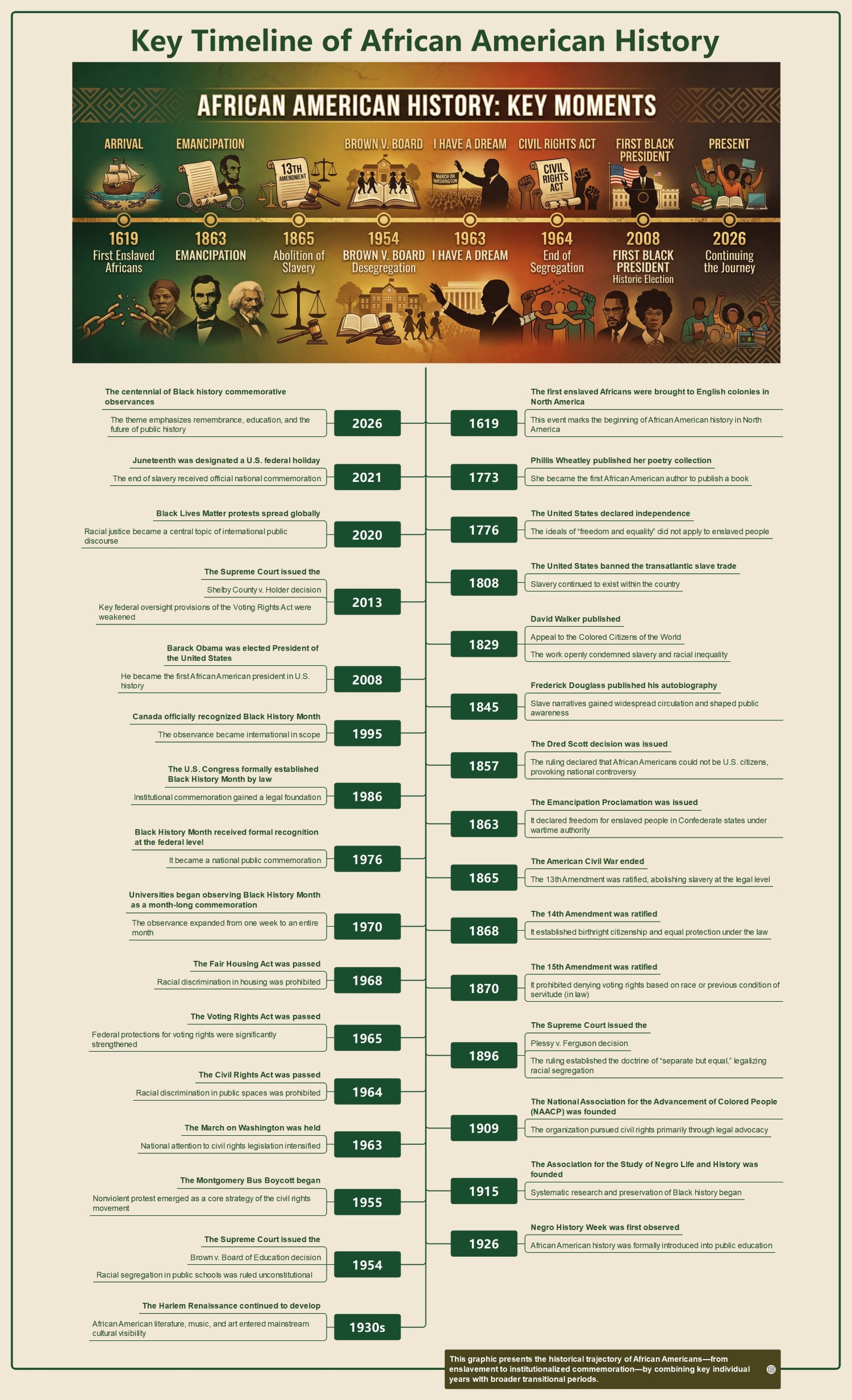
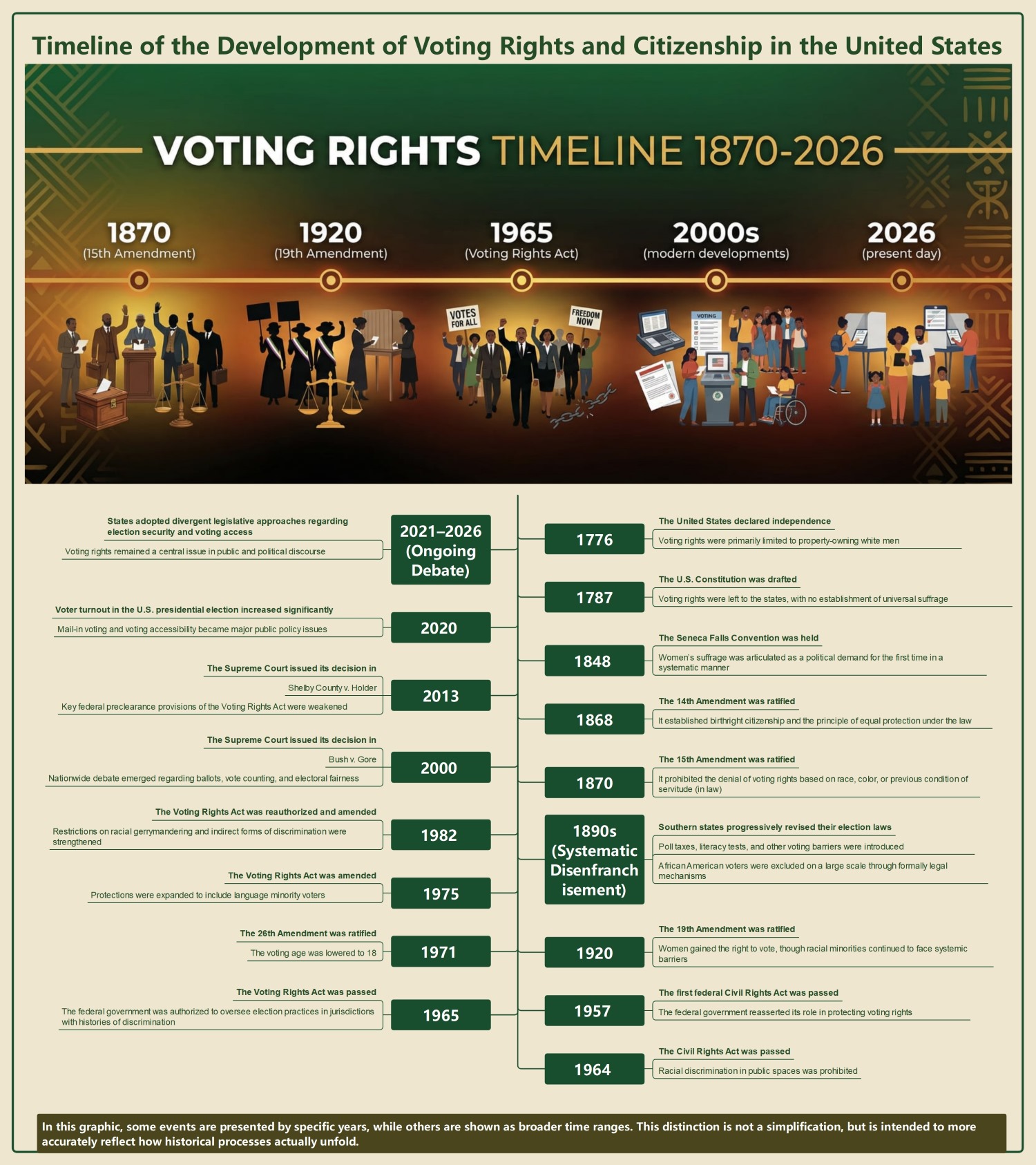
This timeline template tracks the history of voting rights in the United States. It highlights the transition from limited suffrage to universal access. Use this guide to understand key amendments and laws that shaped American citizenship and democratic participation from 1870 to the present day.
Foundations and Early Reforms
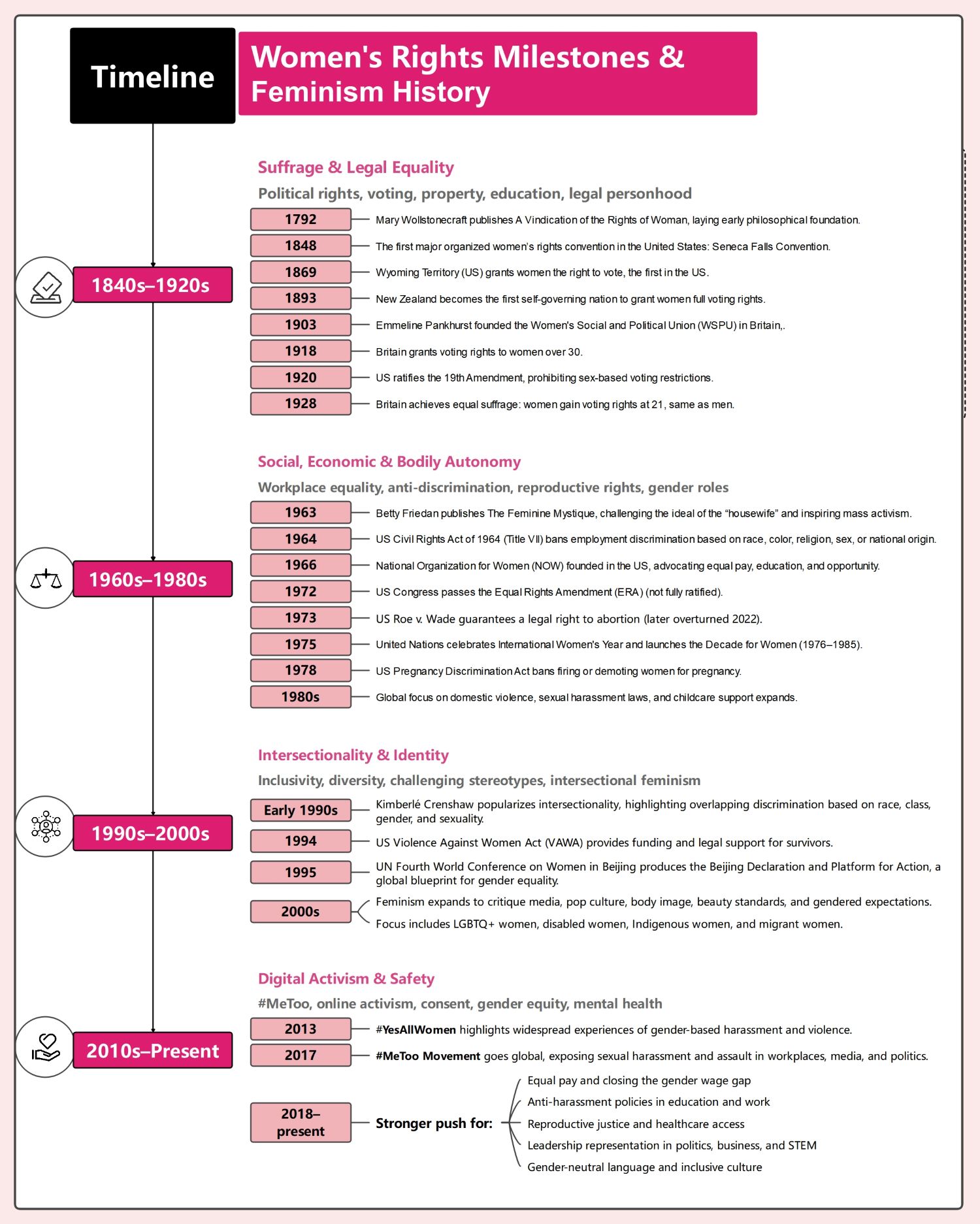
Early American voting rights were limited to white male property owners. As the nation grew, movements for broader representation emerged. These early milestones set the stage for later legal battles to secure voting access for all citizens. (38 words)
- 1776: The United States declares independence from Britain.
- 1787: The U.S. Constitution is drafted without universal suffrage.
- 1848: Seneca Falls Convention articulates early suffrage demands.
The Reconstruction Amendments
Following the Civil War, the federal government passed crucial amendments to define citizenship. These laws aimed to protect enslaved people. They prohibited states from denying the right to vote based on race or previous servitude. (37 words)
- 1868: The 14th Amendment establishes birthright citizenship and equal protection.
- 1870: The 15th Amendment prohibits racial discrimination in voting laws.
Systematic Disenfranchisement Era
Southern states progressively revised their election laws to exclude African American voters. They introduced legal mechanisms that bypassed constitutional protections. This era saw a sharp decline in minority political participation due to state-level barriers. (36 words)
- 1890s: Introduction of poll taxes and literacy tests.
- Southern states implement legal barriers to exclude Black voters.
- Voters face large-scale exclusion through formally legal mechanisms.
Civil Rights Movement Victory
The mid-20th century was a turning point for voting equality. Federal authorities reasserted their role in protecting citizens. Landmark legislation finally outlawed discriminatory practices that had existed for decades, fundamentally changing the American electoral landscape. (37 words)
- 1957: First federal Civil Rights Act passed to protect rights.
- 1964: Civil Rights Act prohibits racial discrimination in public.
- 1965: Voting Rights Act authorizes federal oversight of elections.
Modern Expansion and Challenges
The voting age was lowered, and protections for language minorities were added. Recently, Supreme Court decisions have shifted oversight back to the states. This ongoing debate focuses on balancing election security with accessible voting for all. (37 words)
- 1971: The 26th Amendment lowered the voting age to 18.
- 1975: Voting Rights Act expanded for language minority voters.
- 2013: Shelby County v. Holder weakens federal preclearance provisions.
- 2021-2026: Ongoing debates regarding election security and voting access.
FAQs about this Template
-
What was the main purpose of the 15th Amendment?
The 15th Amendment was ratified in 1870 to protect the right of citizens to vote. It specifically stated that the government could not deny this right based on race, color, or previous condition of servitude. Although it was a major legal victory, many states later used literacy tests and poll taxes to prevent African American men from actually using their new rights.
-
How did the Voting Rights Act of 1965 impact American history?
The Voting Rights Act of 1965 is one of the most significant laws in U.S. history. It gave the federal government the power to oversee elections in areas with a history of discrimination. This law successfully banned literacy tests and other unfair barriers. As a result, voter registration among African Americans increased dramatically, leading to more diverse political representation across the country.
-
What are the current debates surrounding voting rights in the 2020s?
In recent years, the focus has shifted toward election security and voting access. The 2013 Shelby County v. Holder decision reduced federal oversight, allowing states to change their own voting rules more easily. Current debates often involve the use of mail-in ballots, voter identification requirements, and how to ensure every eligible citizen can cast their vote easily while maintaining high levels of security.