About this How to Become a Paralegal Template
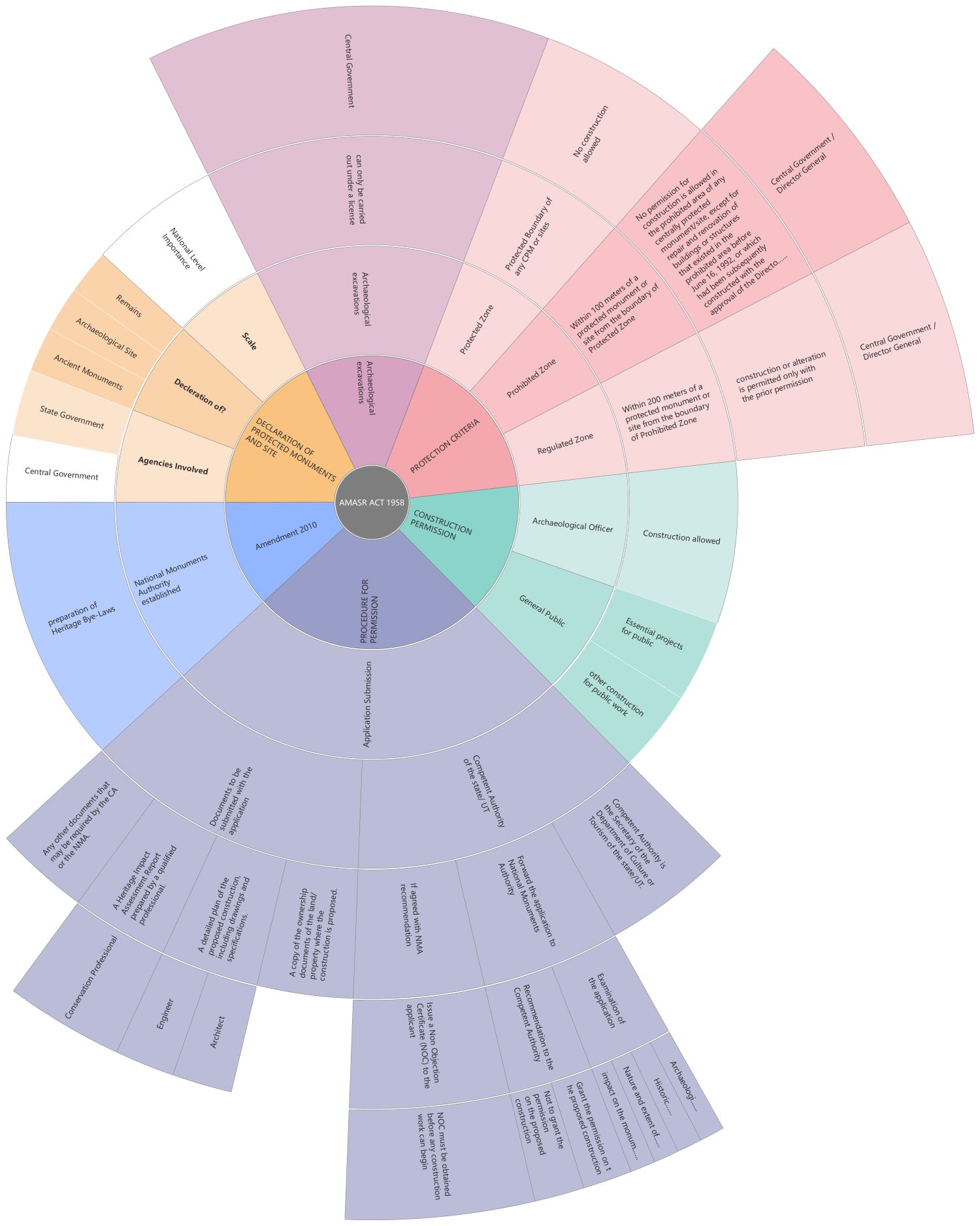
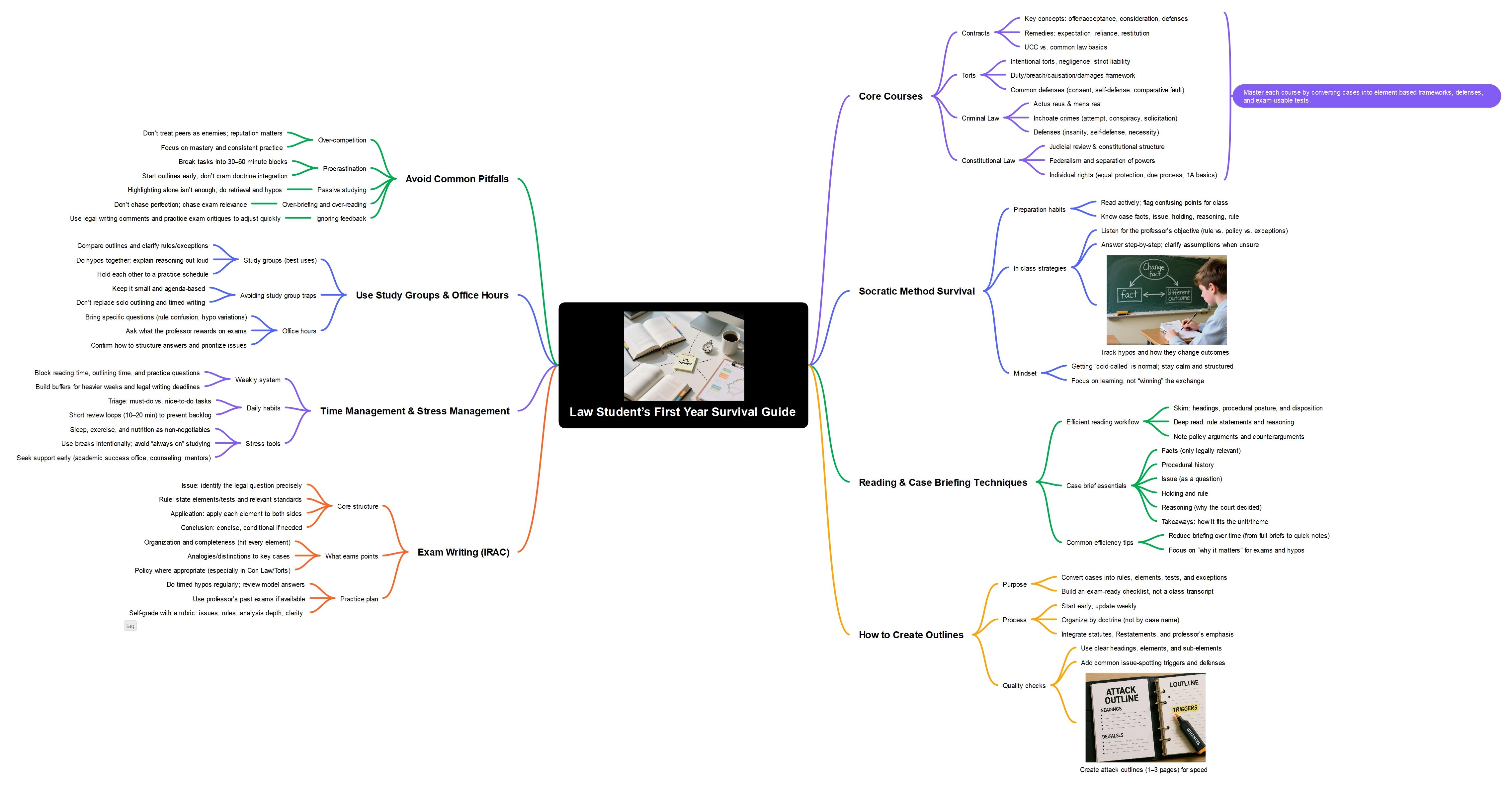
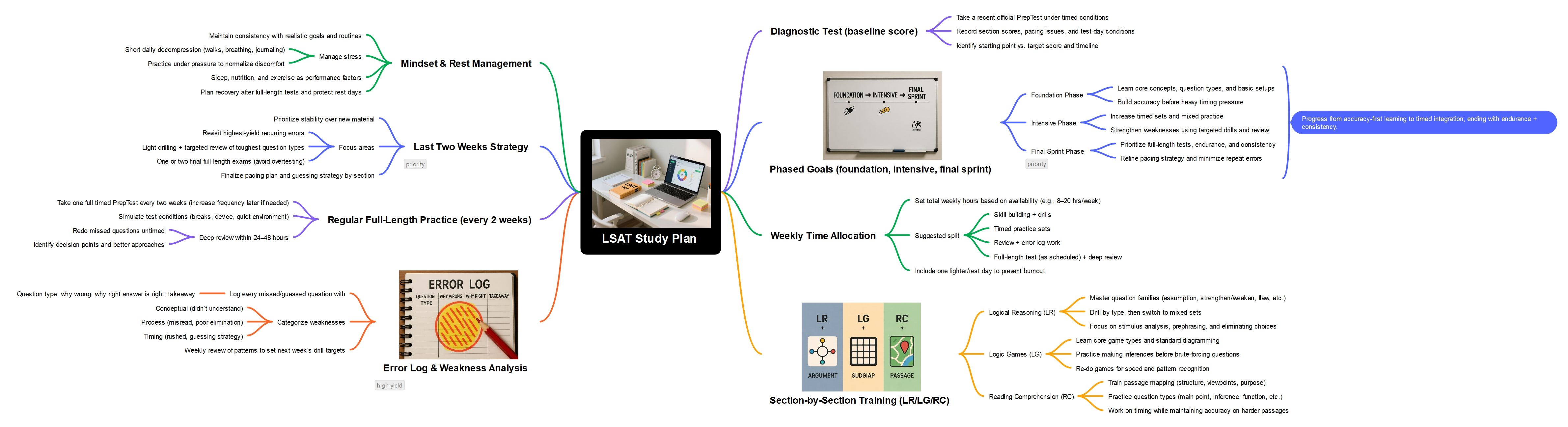
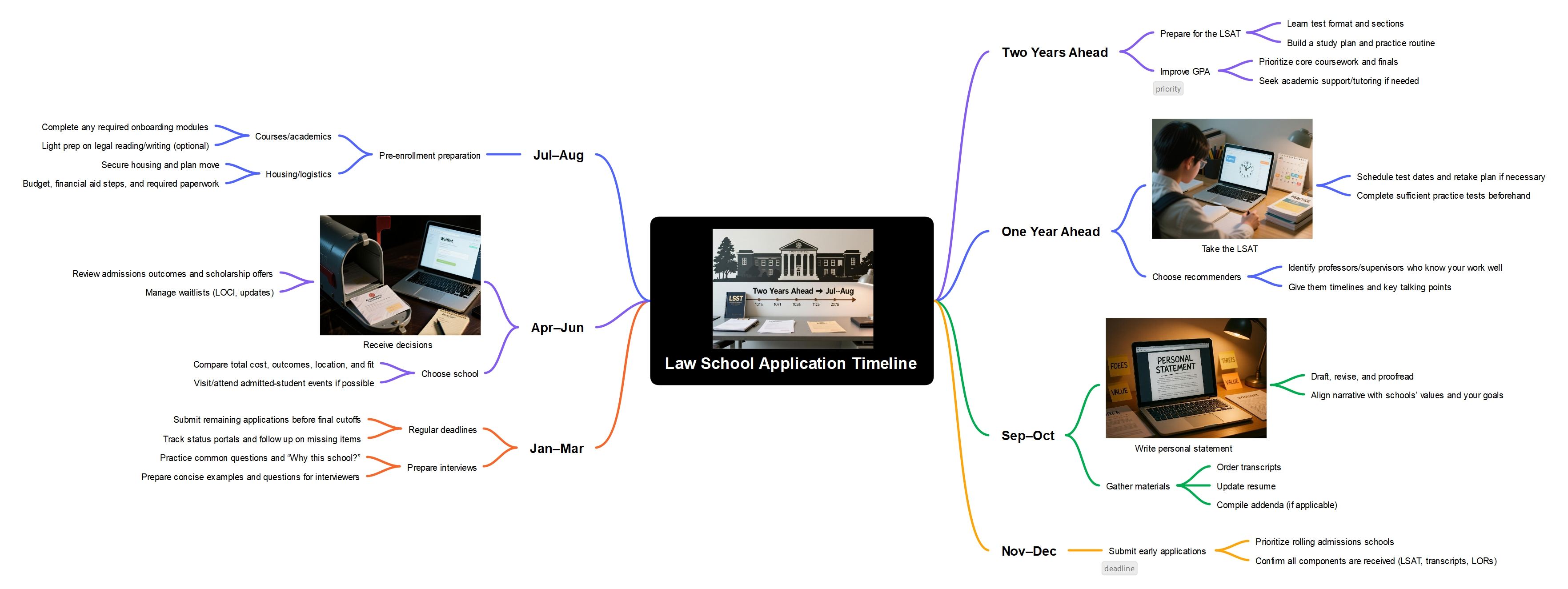
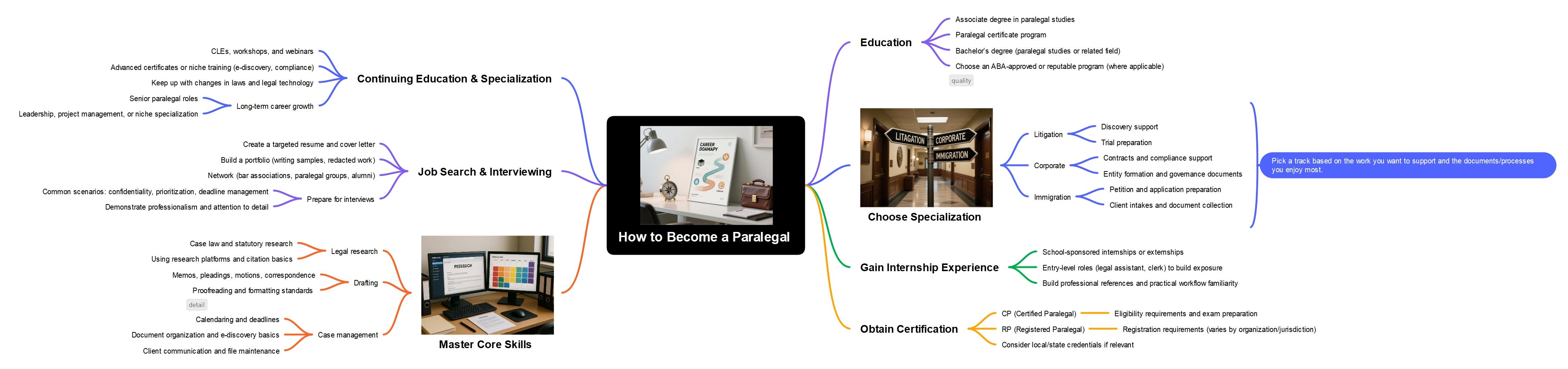
This template is structured as a career-entry guide for future paralegals. It helps users compare degree and certificate routes, choose a focus area, and understand the kinds of support work that shape the profession.
Associate Degree in Paralegal Studies
This branch highlights one of the most common education routes into paralegal work. It is useful for readers who want a direct and recognizable entry path tied to formal legal support training.
Paralegal Certificate Program
This section focuses on certificate-based training, which can be a practical option for career changers or students who already hold another degree and want a more targeted legal-support credential.
Bachelor’s Degree or Related Field
This branch shows the broader academic route into the profession. It is useful when users want a longer educational pathway or expect to combine paralegal work with a wider business, criminal justice, or legal studies background.
Choose an ABA-Approved or Reputable Program
This section helps users think beyond the label of the credential and focus on training quality. It is important because employer trust and practical skill development often depend on the reputation and rigor of the program itself.
Choose Specialization
This branch turns the path from education into career direction. It helps users think about whether they want to work in litigation, corporate law, family law, immigration, real estate, or another specialty area.
Discovery Support
This final section highlights a concrete area of legal-support work. It reminds users that paralegal careers are not only about credentials, but also about the practical responsibilities they may handle in real legal operations.
FAQs about this Template
-
What is a paralegal?
A paralegal is a legal support professional who helps with tasks such as document preparation, research, case organization, and client coordination. The role supports legal work in a structured way, but the level of independent legal practice allowed usually depends on the jurisdiction and local professional rules.
-
How do you train for paralegal work effectively?
Training for paralegal work usually starts with legal terminology, document structure, office workflow, and research basics. It also helps to practice drafting, file organization, and procedural support tasks so the work becomes more accurate, efficient, and easier to apply in a real legal office or institutional setting.
-
Why is paralegal training important?
Paralegal training is important because legal support work depends on precision, confidentiality, and process awareness. Good training helps people handle documents carefully, understand procedural context, and support lawyers or clients more effectively without creating avoidable errors in case materials or workflow management.
-
What’s the difference between a lawyer and a paralegal?
A lawyer is generally licensed to provide formal legal advice and representation within the limits of the jurisdiction, while a paralegal usually works in a support capacity. Both roles are important, but their authority, professional responsibility, and permitted scope of independent legal action are not the same.