About this AMASR Act 1958 template
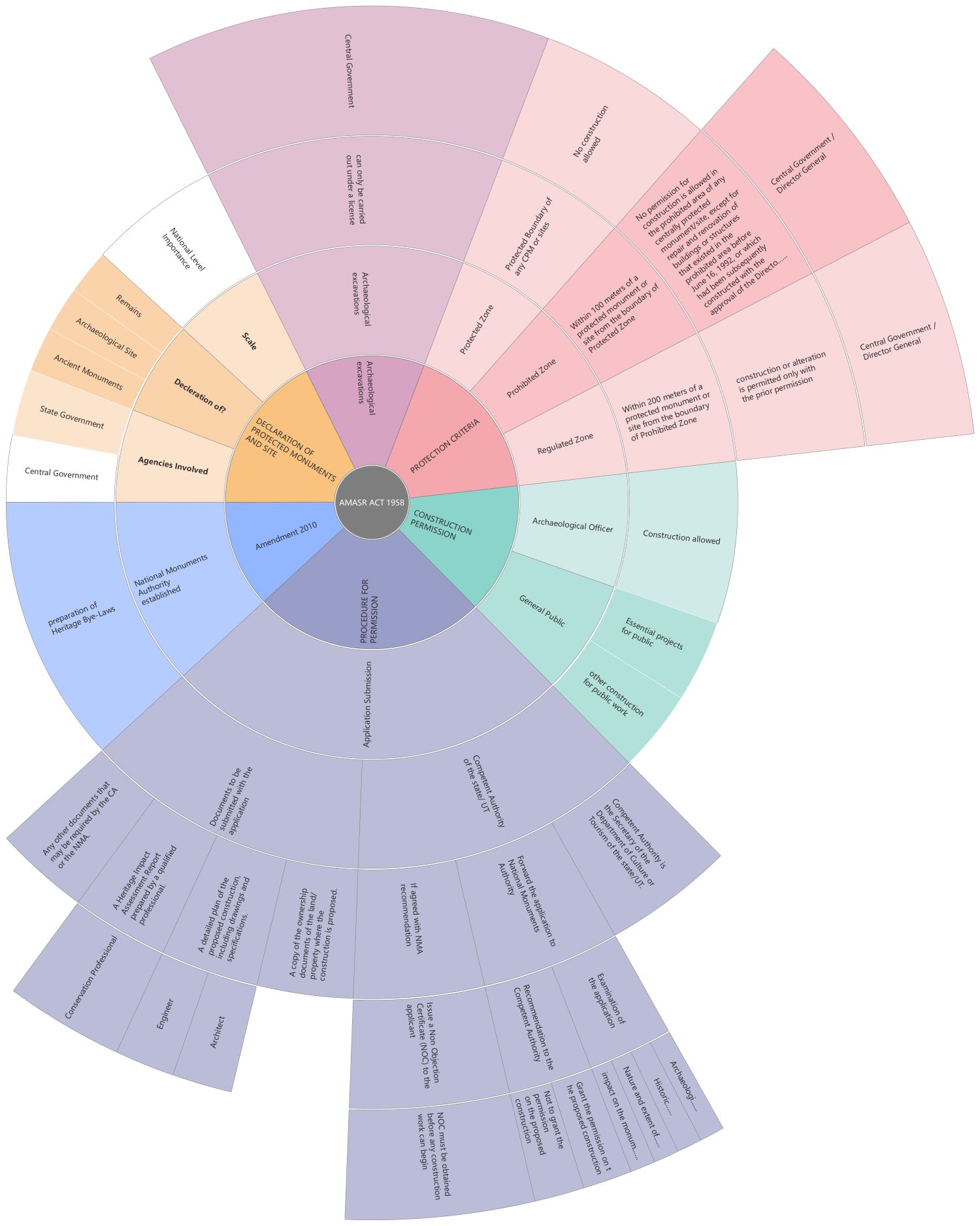
This template provides a visual breakdown of the Ancient Monuments and Archaeological Sites and Remains Act. It helps users understand legal zones, the 2010 amendment, and the formal procedures required for construction permissions near protected sites.
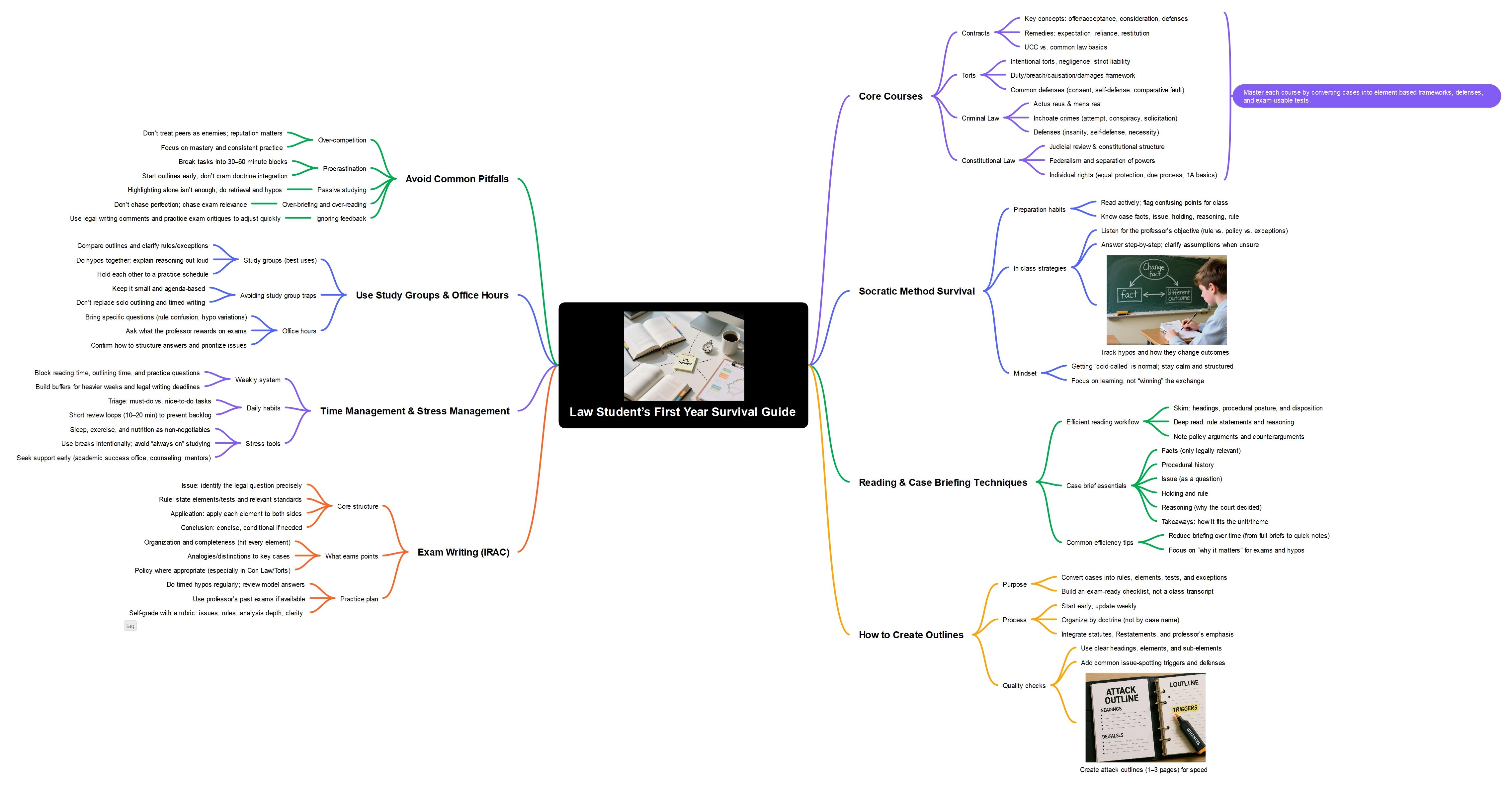
Declaration of Protected Monuments and Site
This section details how the government identifies sites of national importance. It involves agencies like the Central and State governments. They define ancient remains and monuments that require legal protection to prevent damage or unauthorized destruction.
- National Level Importance
- Ancient Monuments and Remains
- Archaeological Sites
- State and Central Government Agencies
Archaeological Excavations
Excavations are strictly controlled to maintain the integrity of historical ground. Only authorized parties can perform these activities under a formal license. This ensures that every discovery is documented correctly and handled by qualified professionals.
- Central Government oversight
- Mandatory licensing for digging
- Professional archaeological standards
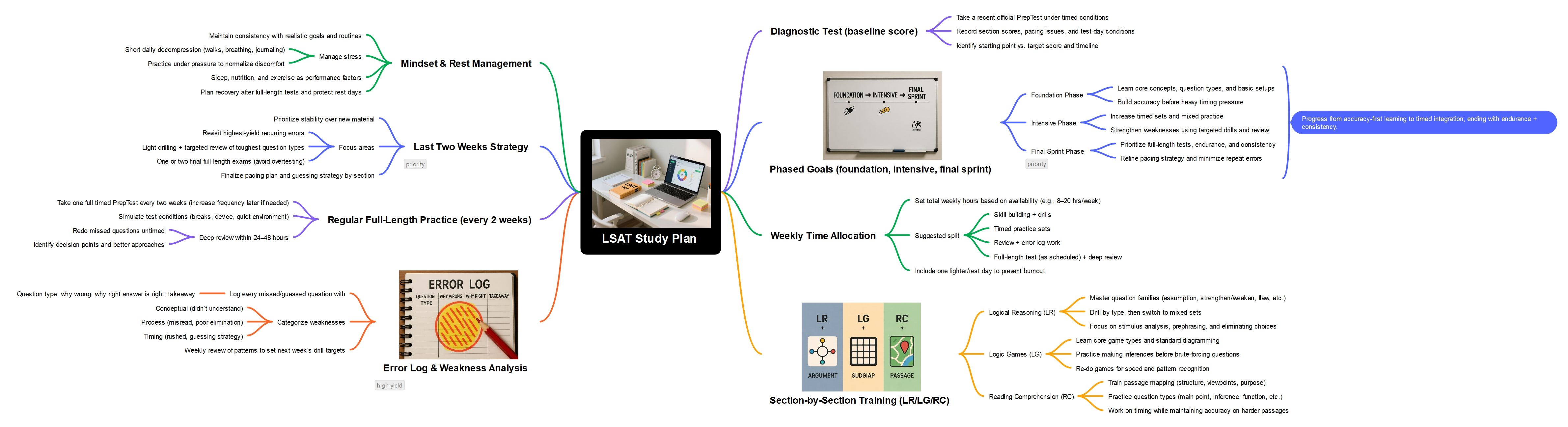
Protection Criteria and Zones
The Act divides areas around monuments into specific zones to limit impact. These zones determine where construction is banned or restricted. Understanding these boundaries is crucial for urban planning and local development near any recognized historical site.
- Protected Zone: The immediate boundary
- Prohibited Zone: Within 100 meters of the site
- Regulated Zone: Within 200 meters of the prohibited zone
- Construction or alteration requires prior permission
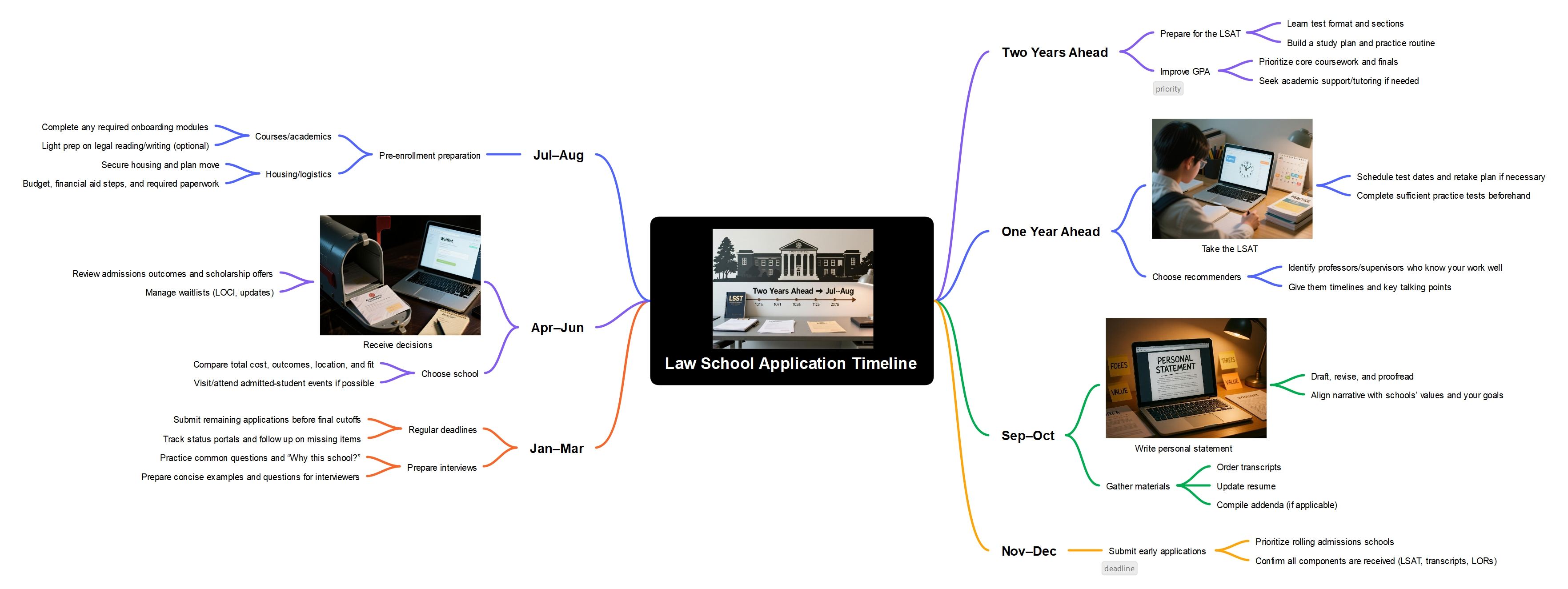
Procedure for Permission
Securing permission involves a detailed application process through the Competent Authority. Applicants must provide technical documents, including site plans and ownership proof. The National Monuments Authority then reviews these requests to ensure the heritage site remains safe.
- Application submission to Competent Authority
- Heritage Impact Assessment Report
- Detailed construction plans and specifications
- Review by National Monuments Authority (NMA)
- Issue of Non-Objection Certificate (NOC)
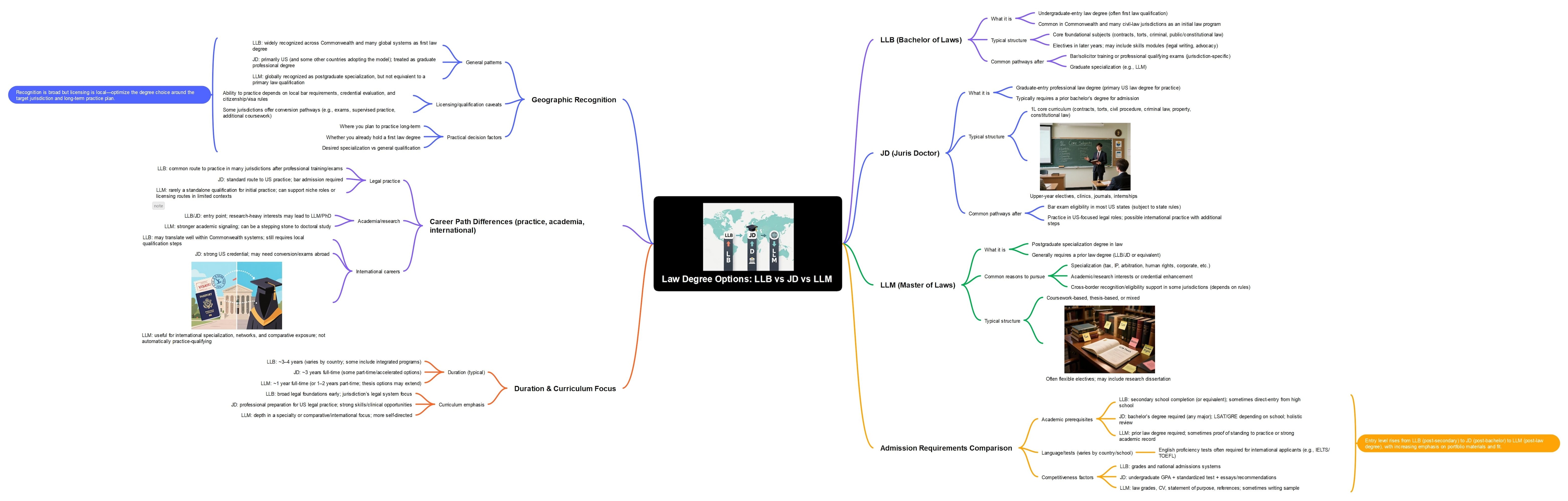
Amendment 2010
The 2010 amendment modernized the original Act by creating new regulatory bodies. It introduced the National Monuments Authority to oversee heritage conservation more effectively. This update also focused on the preparation of Heritage Bye-Laws for specific sites.
- Establishment of National Monuments Authority
- Preparation of Heritage Bye-Laws
- Strict enforcement of construction rules
FAQs about this Template
-
What is the prohibited zone under the AMASR Act?
The prohibited zone is the area within 100 meters of a protected monument. Under the AMASR Act, no new construction is allowed in this space by private individuals or groups. This strict rule ensures that the physical structure and historical setting of the monument are not compromised by modern buildings or commercial activities that could cause damage.
-
How do I get permission for construction near a monument?
To build near a monument, you must submit a detailed application to the Competent Authority. You need to include ownership documents, architectural plans, and a Heritage Impact Assessment. The National Monuments Authority will review the impact on the monument. If they approve, you will receive a Non-Objection Certificate allowing you to start construction work legally.
-
What was the main purpose of the 2010 amendment?
The 2010 amendment was designed to strengthen the protection of India’s heritage. It established the National Monuments Authority (NMA) to manage and regulate the prohibited and regulated areas. It also mandated the creation of Heritage Bye-Laws for every protected monument, ensuring that modern development does not negatively impact the historical value of these sites.