
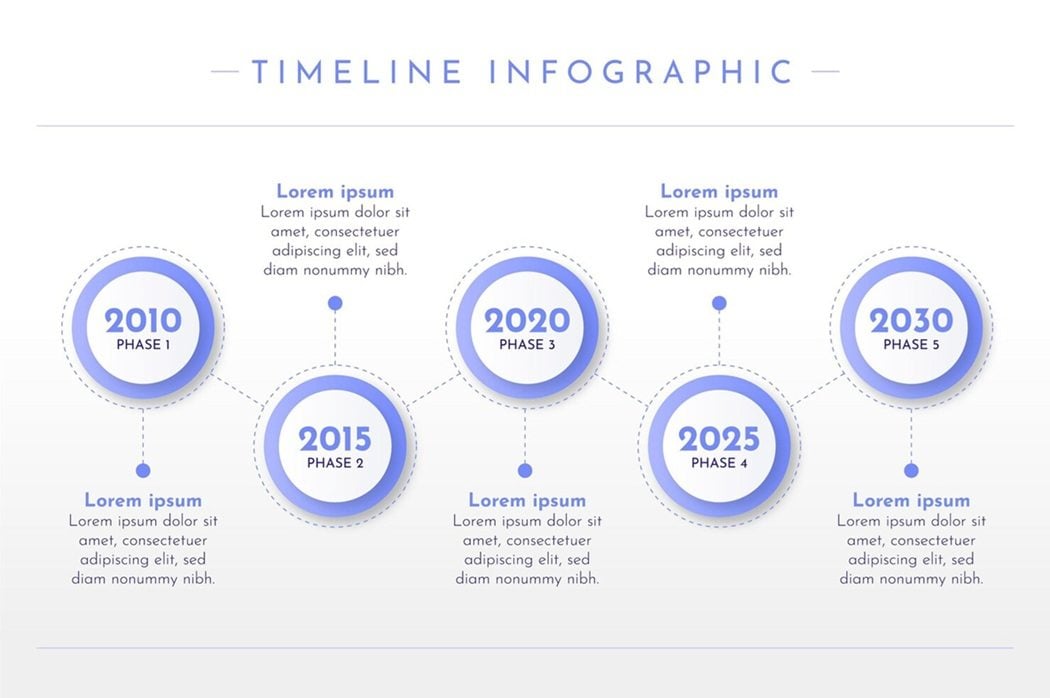
Timelines help students understand lessons clearly by placing information in a visual flow. They show how events, tasks, and learning goals connect, which improves focus and motivation.
Students who use timelines can track progress, follow study plans, and recall information faster. With EdrawMind, learners can turn lessons, projects, and study tasks into simple visual maps.
These timelines make learning easier. It can support organized thinking, helping students prepare better for schoolwork. Keep Reading!
In This Article
Types of Timelines for Students
Students use timelines to organize information across subjects and learning activities. A student timeline is a visual tool that arranges events or tasks in order.
It helps learners see how lessons develop, how projects move from one step to another, and how progress grows over time. This part introduces common academic timelines that support different study needs.
Historical timelines help students follow events in sequence. They are useful in subjects like history, social studies, and literature. Students can map periods, leaders, discoveries, and major turning points. This type of timeline enhances memory by illustrating the connections between events.
Project-based timelines guide students through tasks and deadlines. They work well for science fairs, research work, group activities, and portfolio projects.
Students break tasks into smaller steps and place them in order. This builds better planning skills and avoids rushed work.
Reading progress timelines help track book chapters, themes, and character paths. They are ideal for literature classes and personal reading goals. Students can mark chapter summaries, plot changes, and milestone points across the story.
Each type strengthens the organization of your thoughts. They support critical thinking and prepare students for more effective long-term study habits.
Examples of Student Timeline Projects
This section introduces real student timeline examples that you can create with Wondershare EdrawMind. Each timeline supports lesson recall, task planning, and organized studying.
These examples are suitable for classroom use, homework review, and long-term projects. Every sample includes a short description and template guidance.
Timeline for Business Students
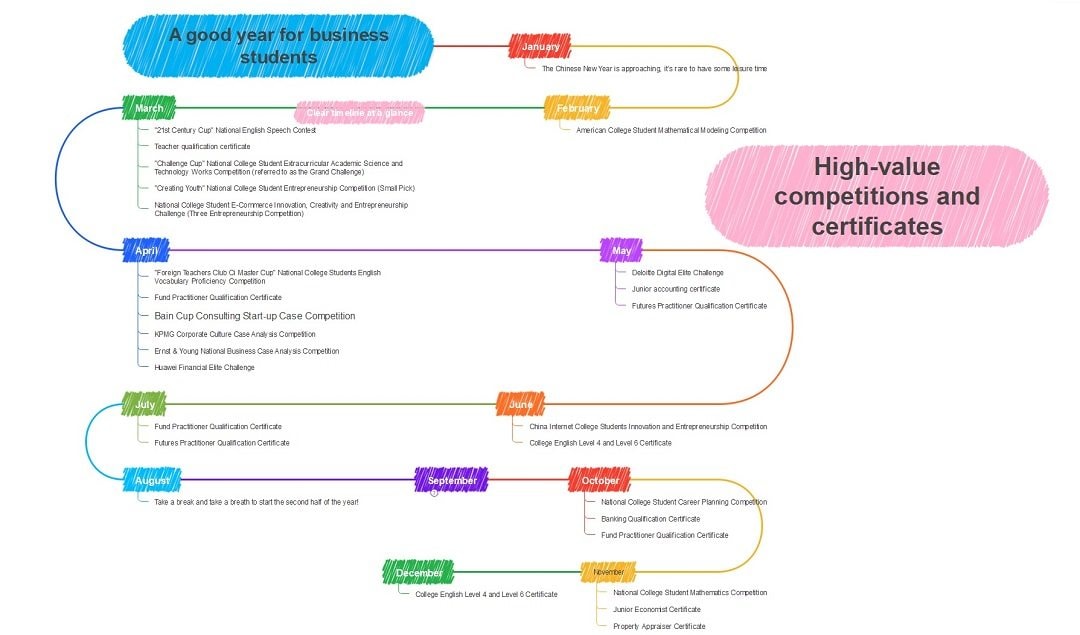


This diagram presents a month-by-month timeline. It shows major competitions and certification exams for business students. It highlights English contests, math modeling events, and finance certificates. It also includes consulting case challenges and entrepreneurship competitions.
The layout shows high-value academic milestones in a clear yearly schedule. It supports planning and goal tracking.
Prehistoric Human Timeline
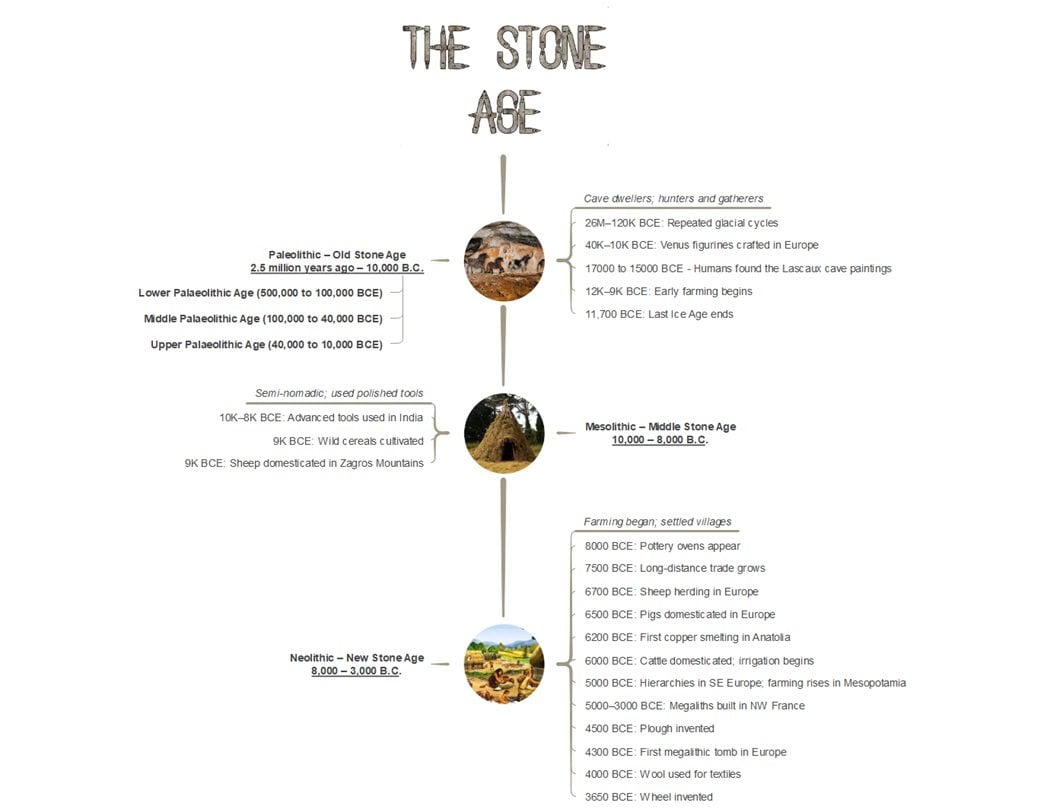
This timeline traces human history from the Paleolithic era (hunting, gathering, cave art) through the Mesolithic era (early farming, domestication) to the Neolithic era (villages, tools, the wheel, copper).
Students can use it to visualize progress, understand cultural developments, and connect key prehistoric events.
The Internet Timeline
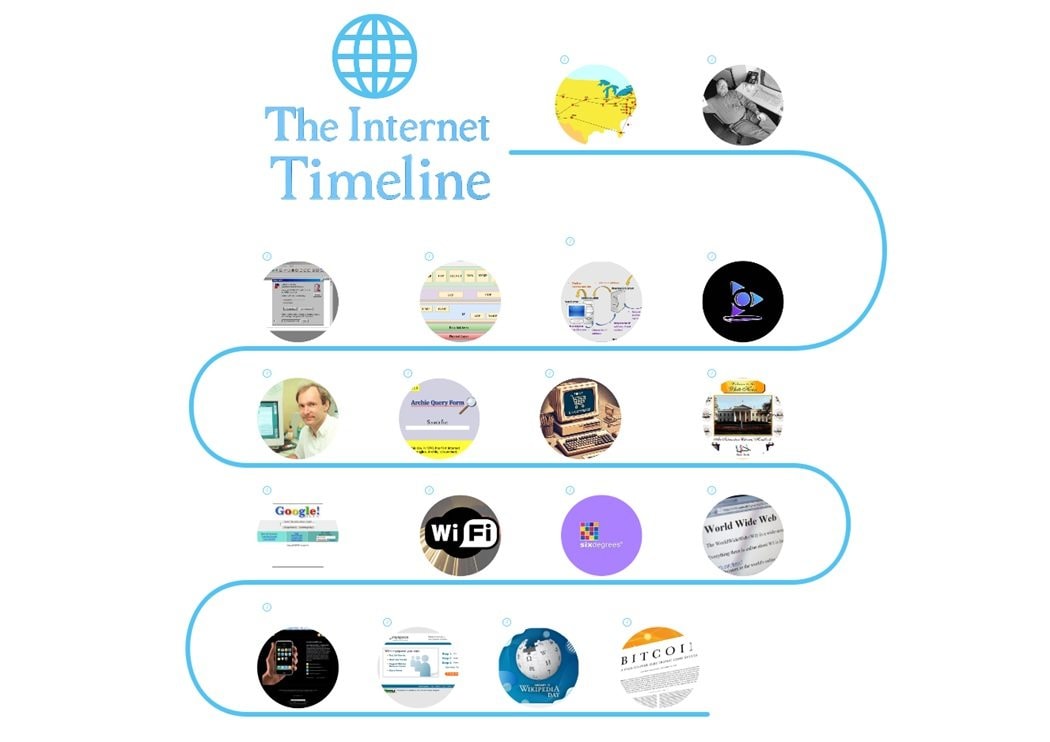
This timeline highlights key milestones in the development of the internet, from ARPANET in 1969 and the first email in 1971, to the World Wide Web in 1989, the rise of search engines, social media, Wi-Fi, and mobile internet.
Students can use it to understand technological progress and digital evolution.
Age of Exploration Timeline
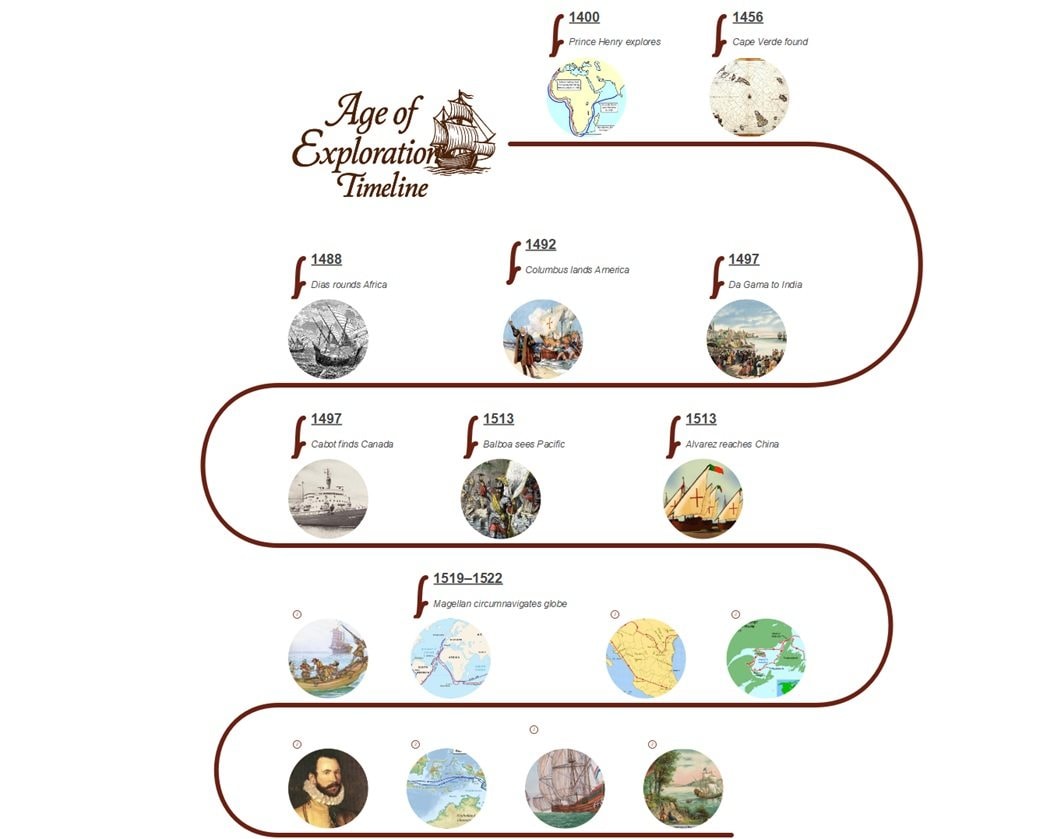
This timeline shows major voyages from the 1400s to the 1600s, including explorations by Prince Henry, Columbus, Da Gama, Magellan, and others who reached the Americas, Asia, Africa, and Oceania.
Students can use it to see how global travel expanded knowledge and connected continents.
Greek History Timeline
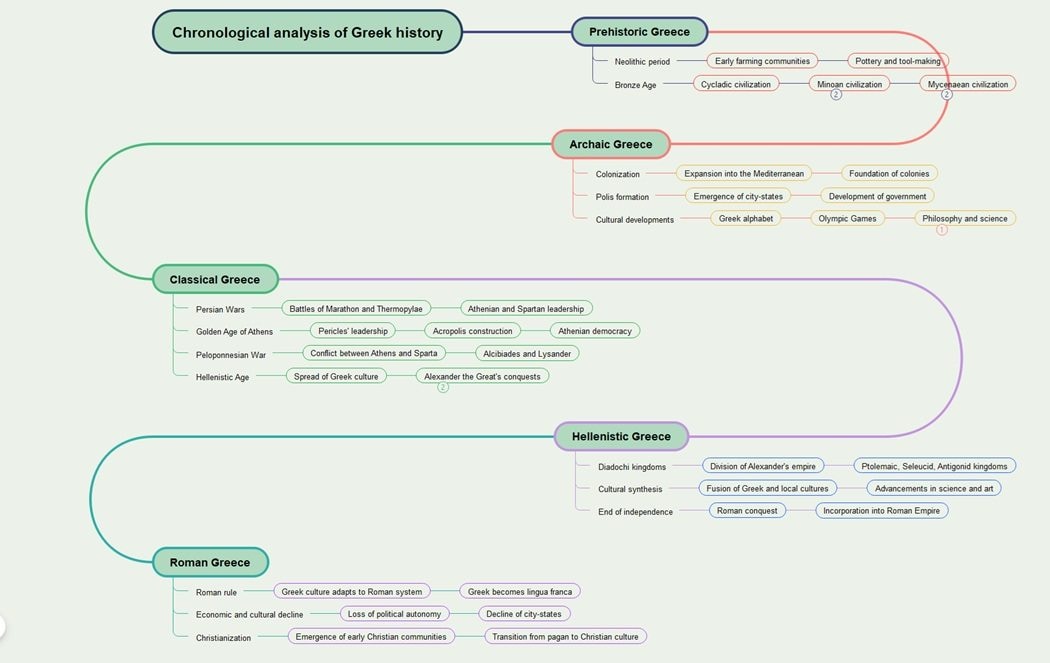
This timeline traces Greek history from prehistoric farming and Bronze Age civilizations. It flows to city-states, the Persian Wars, the Golden Age, Hellenistic expansion, and Roman rule.
It helps students visualize historical progress. It can help you learn key political, cultural, and scientific developments.
War and Peace: War Timeline
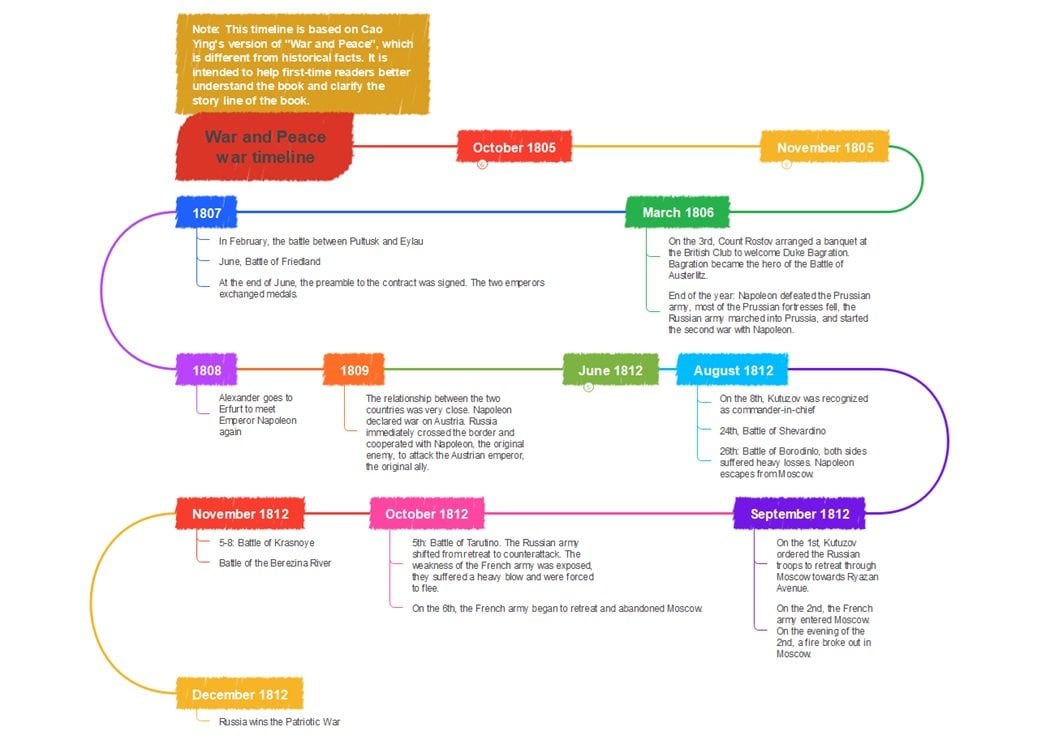
This timeline summarizes key military events in War and Peace. It starts from the 1805 Ulm campaign and Kutuzov’s maneuvers. It goes through major battles like Austerlitz, Borodino, and Tarutino, to Napoleon’s retreat from Moscow in 1812.
It helps students follow the novel’s plot and understand the sequence of historical-inspired conflicts.
College Reading Plan Timeline
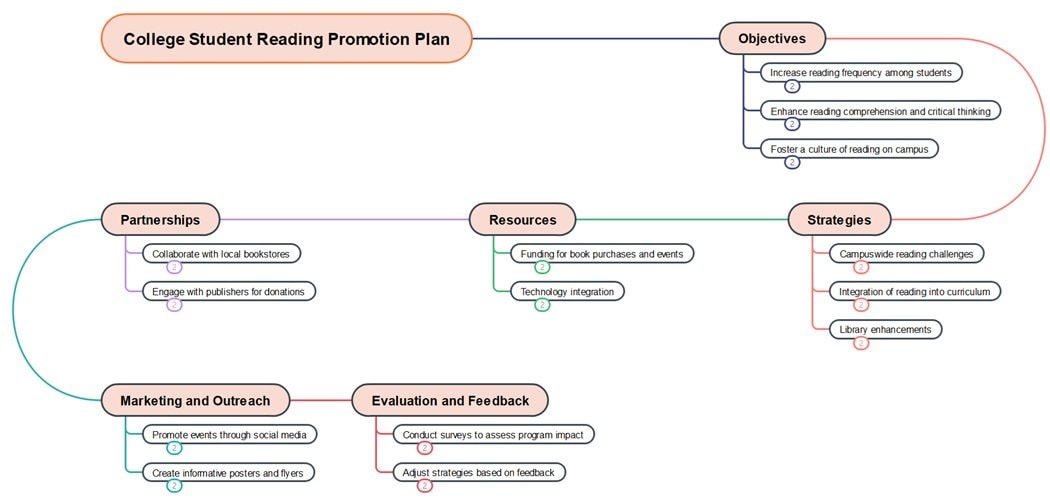
This plan encourages students to read more, understand what they read, and enjoy a reading-friendly campus. Ideas include reading challenges, book clubs, and using library resources.
Use the timeline for partnerships, social media promotion, and student feedback. It can help make the program engaging, and you can improve it over time.
Art Appreciation for Students Timeline
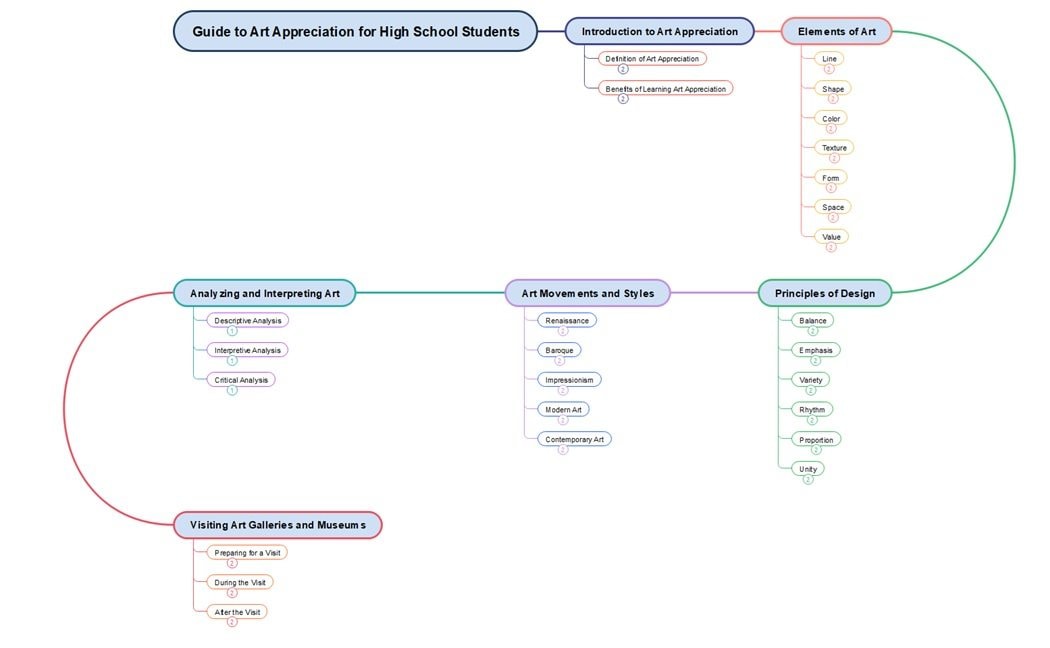
This guide helps students learn the elements of art, design principles, and major art movements. It makes understanding and enjoying art easier.
Students also learn how to analyze artworks and use gallery and museum visits to observe, reflect, and discuss what they see.
Learning Path for Students Timeline
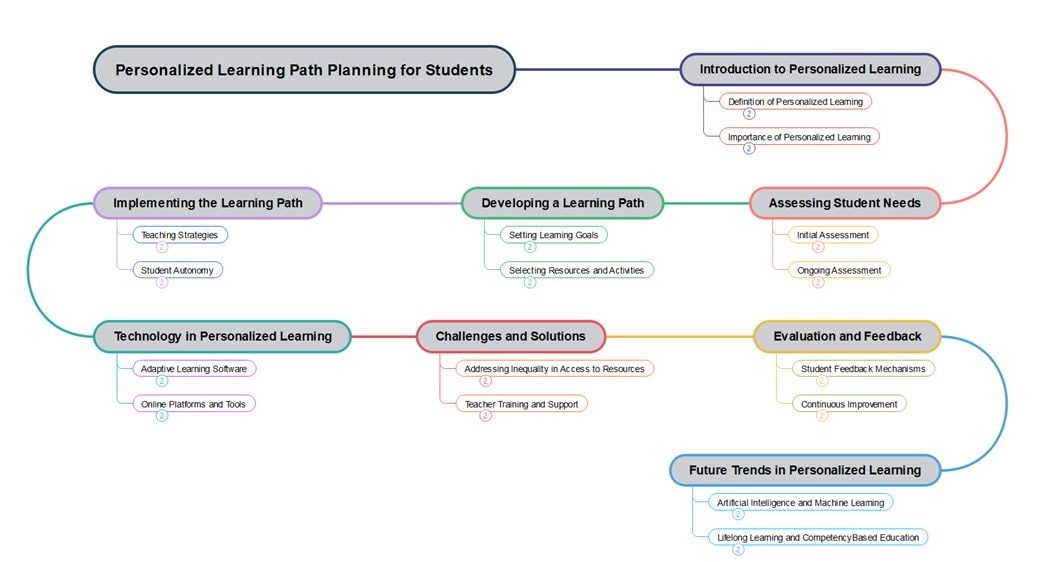
Personalized learning tailors lessons to each student’s needs, interests, and learning style. It helps improve engagement, motivation, and grades.
Students can use it to find strengths and weaknesses. It can help set goals, choose resources, and track progress. Technology supports self-directed learning, collaboration, and adapting the plan for better results.
Student Affairs Timeline
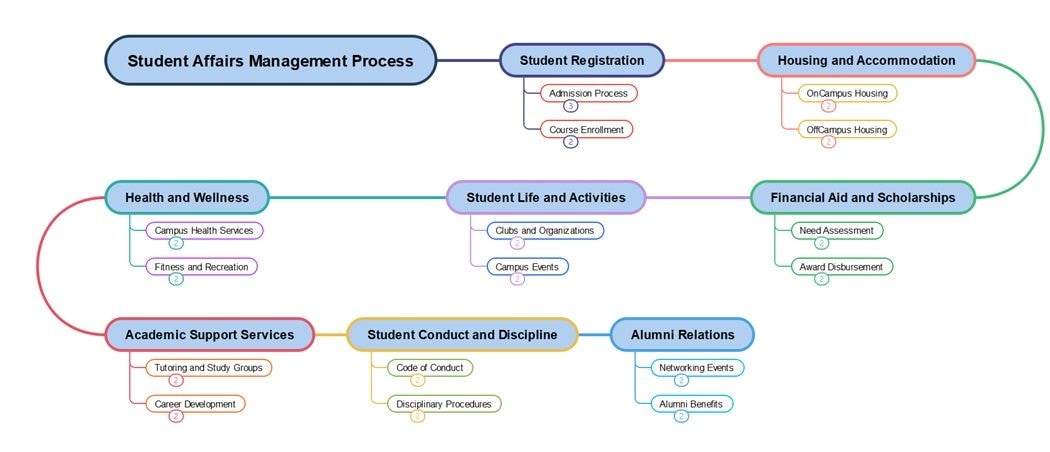
This process guides students from registration to graduation. It covers enrollment, housing, financial aid, health, activities, support services, and conduct rules.
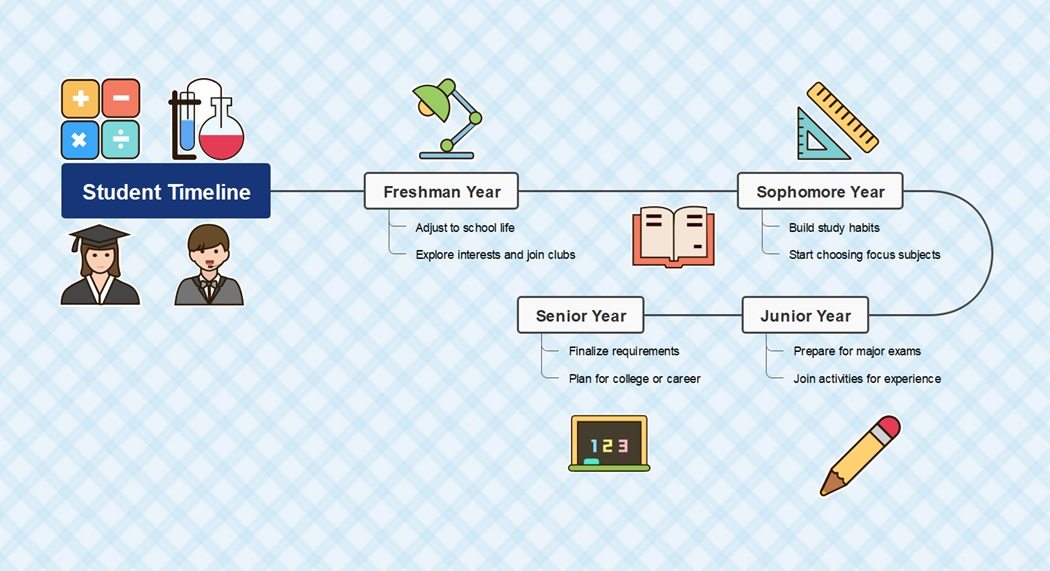
Students can use this timeline to track tasks and plan deadlines. It can also help manage housing and aid needs, join activities, and access support. The timeline allows students to stay organized throughout their school years.
Benefits of Using Timelines in Learning
Timelines support learning by helping students understand information in sequence. A well-made timeline shows how lessons connect, which improves memory and long-term comprehension.
Students can see patterns clearly and follow ideas from start to finish. This visual structure facilitates a deeper understanding across various subjects.
Timelines also build strong study habits. Students learn to plan their tasks, break large projects into smaller parts, and follow deadlines with confidence. This helps reduce stress and supports better time management. Here are the key benefits:
- Helps students organize ideas in simple steps
- Strengthens recall by linking events, facts, or tasks
- Improves analysis by showing cause-and-effect patterns
- Supports project planning and balanced study routines
- Encourages clear thinking during review sessions
- Guides students to follow steady progress across a school year
With these benefits, timelines become powerful study tools. It can help students learn faster and prepare better.
How To Create a Timeline in EdrawMind
EdrawMind is a powerful visual organization tool. It helps students turn complex information into clear diagrams. It offers templates, smart layouts, and simple controls that help learners build timelines quickly.
Students can map lessons, track progress, and organize project tasks with clean, colorful visuals. Follow the steps below to create a timeline in EdrawMind:
 Try the app & get 500 free AI tokens


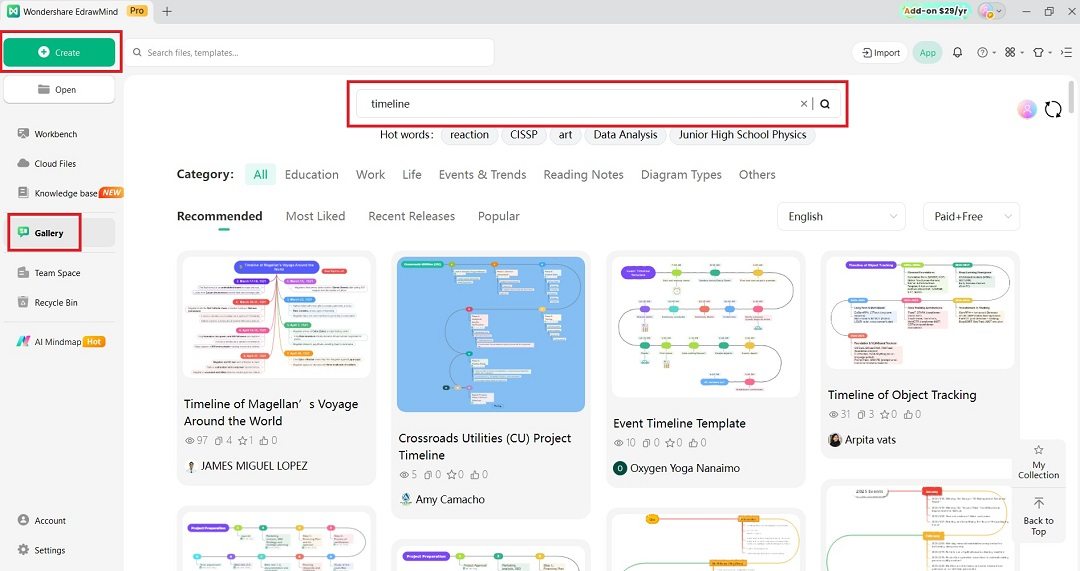
Step 1 Open EdrawMind and Create a New Map
- Download, install, and launch EdrawMind on your device. Log in or register for a Wondershare Account.
- Click Create or Gallery on the left panel.
- Create a new blank mind map or look for student timeline templates from the gallery.
For this part, you can search for timeline templates in the Gallery menu.
Step 2 Pick a Student Timeline Template
- Type Timeline in the search bar to explore available designs.
- Choose a layout such as Vertical, Horizontal, or Roadmap Timeline.
- Click Duplicate to load it onto the canvas.
Step 3 Edit the Timeline Structure
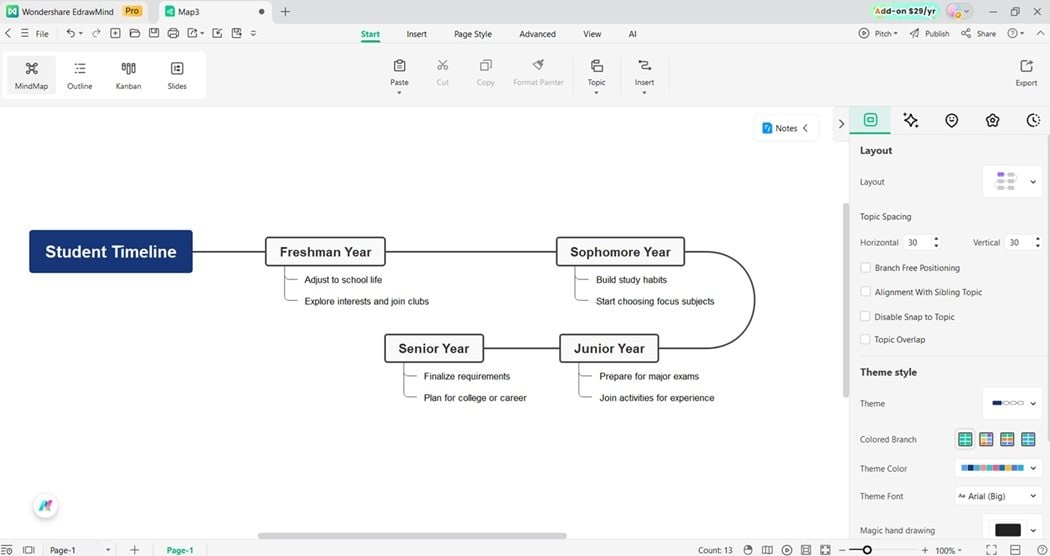
- Click any node on the timeline and type the event, date, or task.
- Add more points using Tab, Enter, or the + Node button.
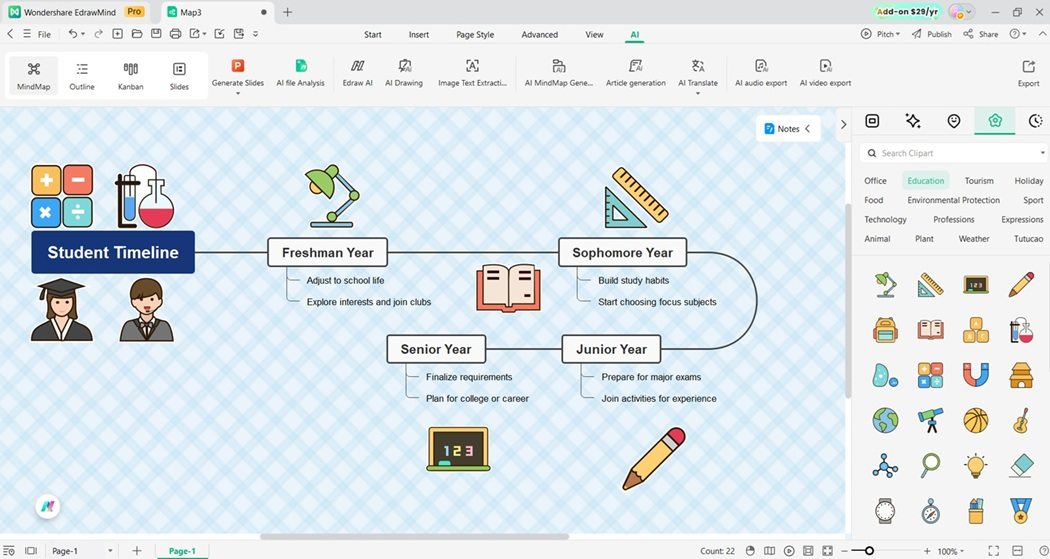
- Change colors, icons, and shapes using the right-side format panel.
- Use Edraw AI or AI Drawing to refine descriptions, expand topics, or generate icons.
Step 4 Export or Share Your Timeline
- Go to File > Export to save your timeline as a PNG, PDF, Word, or PowerPoint file.
- You can also click Share for link-based collaboration with classmates.
- Your final timeline is ready for study sessions, presentations, or reports.
Conclusion
Timelines help students plan, study, and understand lessons with clarity. They make learning simple by placing information in a clear visual order. With EdrawMind, students can build timelines for history, science, reading, and personal goals in minutes.
The templates, smart tools, and AI support help learners stay organized and motivated. EdrawMind transforms complex lessons into clear, easy-to-follow study paths that foster strong academic growth.
 EdrawMind
AppsEdrawMind Online
EdrawMind
AppsEdrawMind Online