

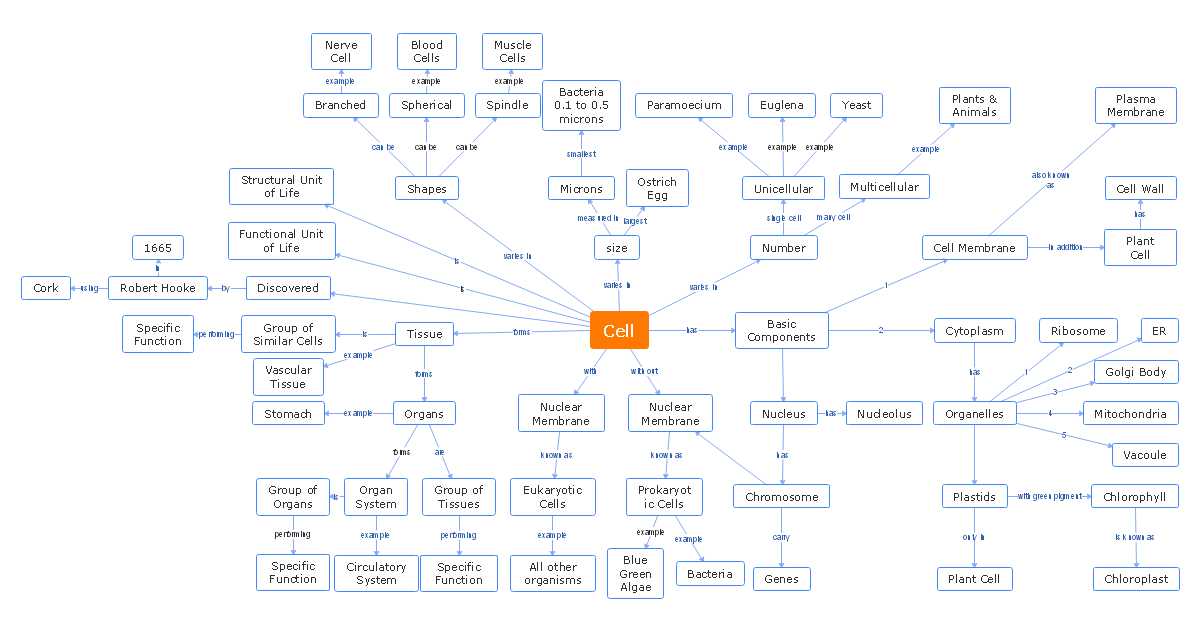
A biology concept map shows explicit relationships among biological concepts, not just topic branches. Nodes such as cell, gene, protein, organ system, or ecosystem become more useful when connecting lines are labeled with relationships such as “contains,” “produces,” “regulates,” or “depends on.”
That makes concept maps especially useful for biology, where understanding mechanisms and dependencies matters more than memorizing isolated terms. The examples below can be reused as study frameworks, but the best map is the one whose links accurately explain how the concepts relate.
Concept-map evidence: Biology concept maps become more informative when links are labeled as propositions (for example, “produces,” “contains,” or “regulates”) and when cross-links connect related systems. Benchmark: Creately biology concept maps.
Do you know that creating concept maps and mind maps increases students' cognitive functionality? John Hopkins's Study researched the importance of creating students' mind maps and concept maps. They concluded their research by finding that there is a 12 percent increase in students' grades who have created different maps for their subjects. By working on concept map examples, students tend to focus more on complicated subjects, like Biology or Mathematics.
In this article, we will help you understand the importance of creating a biology concept map and will illustrate different types of biology concept maps that are created using EdrawMind. Before we discuss biology concept maps, you should understand that students often get confused between mind maps and concept maps. However, there is a thin line of difference between the two visualization tools, such as:
- Mind maps tend to have a radial structure; Concept Maps have a tree structure with several clusters.
- Mind maps focus on one primary topic; Concept Maps connect multiple concepts and ideas as a whole.
What is a concept map for Biology?
Concept Mapping is an active form of educational tool that involves representing connections between different ideas in a pictorial or diagrammatic way. Multiple studies have shown that concept mapping as a teaching and learning method for biology is a powerful strategy to engage students.
Biology or medical students know for a fact that when they study, they need to remember several complicated names of different parts of human anatomy. Considering the complexity of topics, it is recommended that one should go ahead and work on a different concept map for biology and when the test comes, they can quickly glance over those concept map ideas and retain the valuable information. Some of the most important benefits of creating a concept map for biology subject are:
- Easy to Learn
Biology is a vast subject. Every human body part is subdivided into hundreds of different important segments. Biology students have to learn about every body part in detail. When they create concept maps for biology topics, they ensure that they are creating multiple subtopics of different ideas, making it easy for them to learn those complex topics. - Easy to Remember
Biology books or topics contain several hundred subtopics. During the examination or a quick revision, students are often confused and miss out on important subtopics. If they work on a concept map template for biology, they ensure that they can easily and quickly revise everything when the exam comes. At the same time, by working on different concept maps for biology subjects, they ensure that they will also retain the information post their examinations. - Easy to Make Connections
Biology is a natural science that talks about the study of life and living organisms. As we all know, biology is an eclectic field composed of different important disciplines, like the study of distribution, evolution, function, growth, and other important features of any living organism. When we create biology concept maps, we tend to make connections between different disciplines. For instance, if we have created a biology concept map for the respiratory system and another concept map pertaining to the details of the heart. Since both the topics are huge and cover important areas, a medical student can easily connect two different concept maps. So, when they have to prepare for any medical entrance exams, they will get information about two different disciplines from one single concept map.
Concept map ideas are extremely useful for biology students who wish to learn quickly and effectively. Most teachers consider concept maps a powerful study tool that helps the students see the big picture.
2. Concept Map Examples
Concept mapping has been used in different subject areas and learner groups. Before discussing some concept map ideas and examples, we should first understand the important components of any concept map.
Some of the most important elements that you can find in almost all the concept maps are:
- Concepts
Concepts, also known as nodes, are represented by one word or short phrase that we put in an oval or rectangular box. - Links
Concepts are connected by concept links, which are lines that are labeled with different important phrases to indicate the nature of the relationship between two concepts. As you see from the concept map templates, we sometimes use arrows to indicate the flow between different concepts. - Hierarchies
Hierarchy is the superordinate and subordinate relationships between concepts connected via concept links. - Cross-Links
Cross-links are concept links that connect the concepts of one section to the concept of another section.
In order to understand the importance of concept maps, we have created several concept map examples using EdrawMind. You can get inspiration from these concept map ideas to create your personalized biology concept map, or you can duplicate these concept map templates and share them with your teachers or even attach them to your research submissions.
Concept Map Examples: Basic Biology Concepts
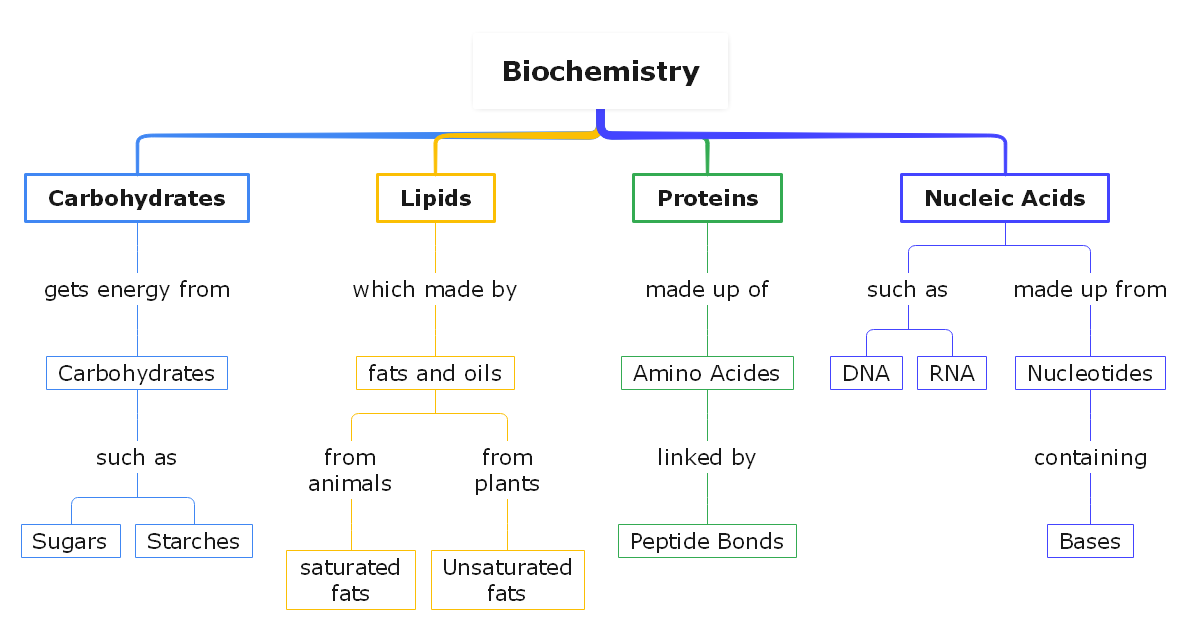
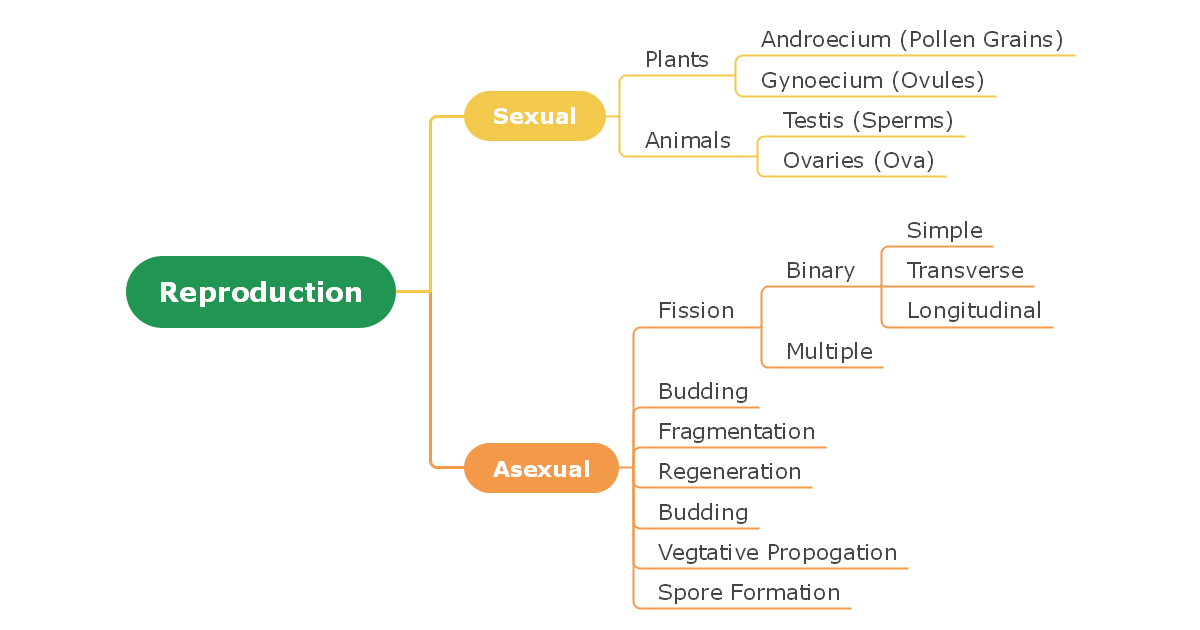
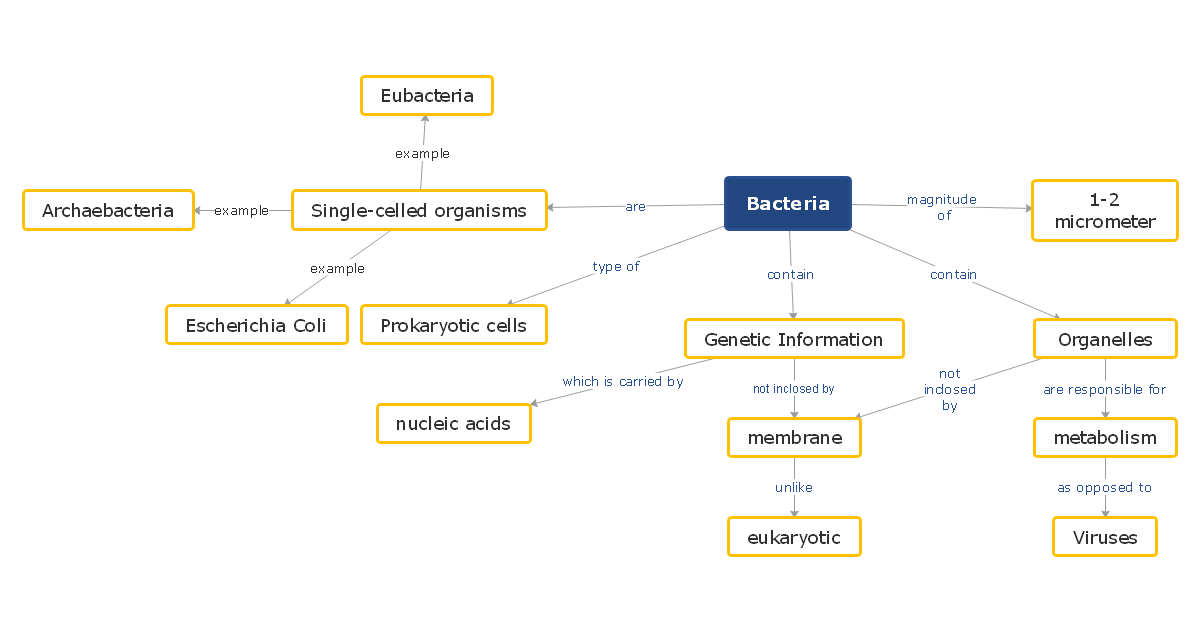
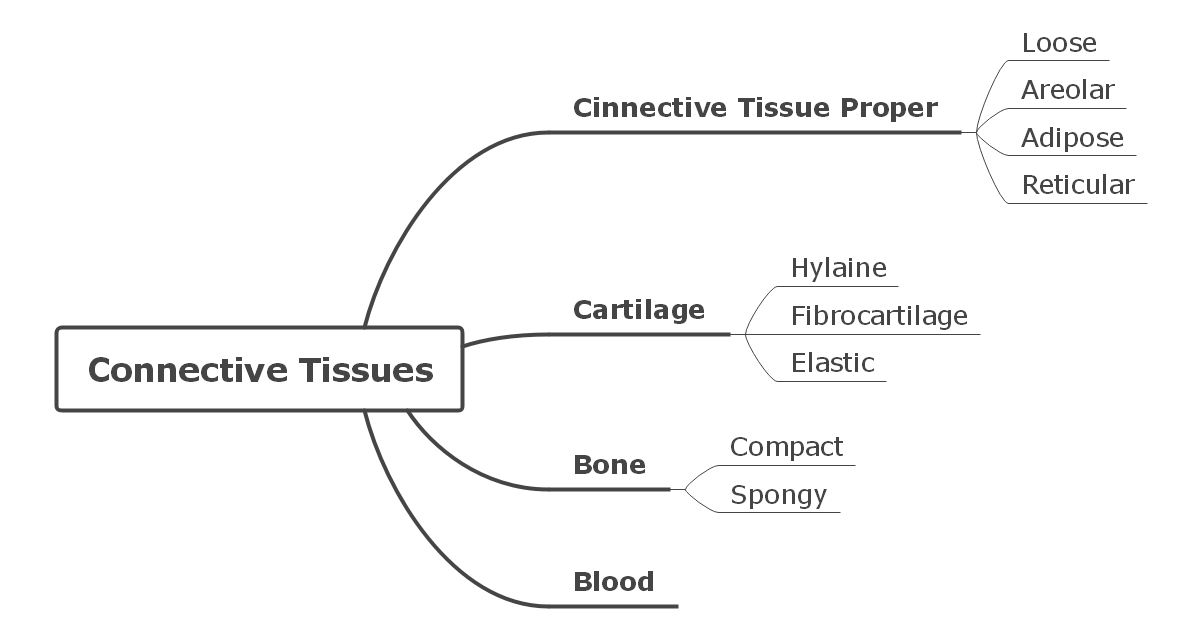
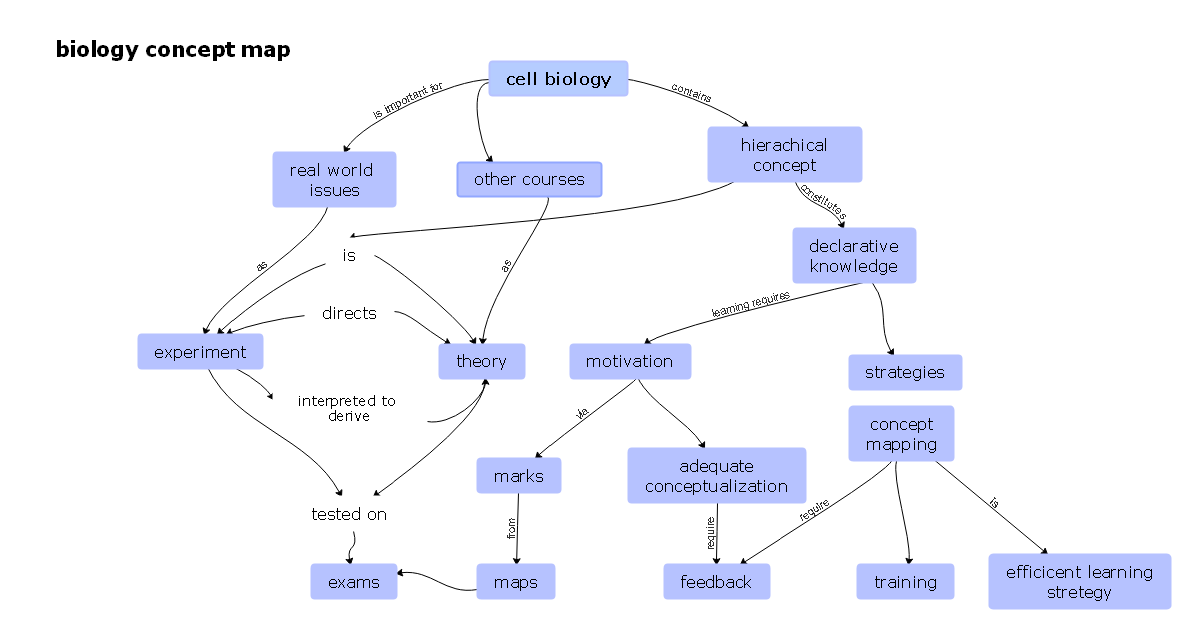
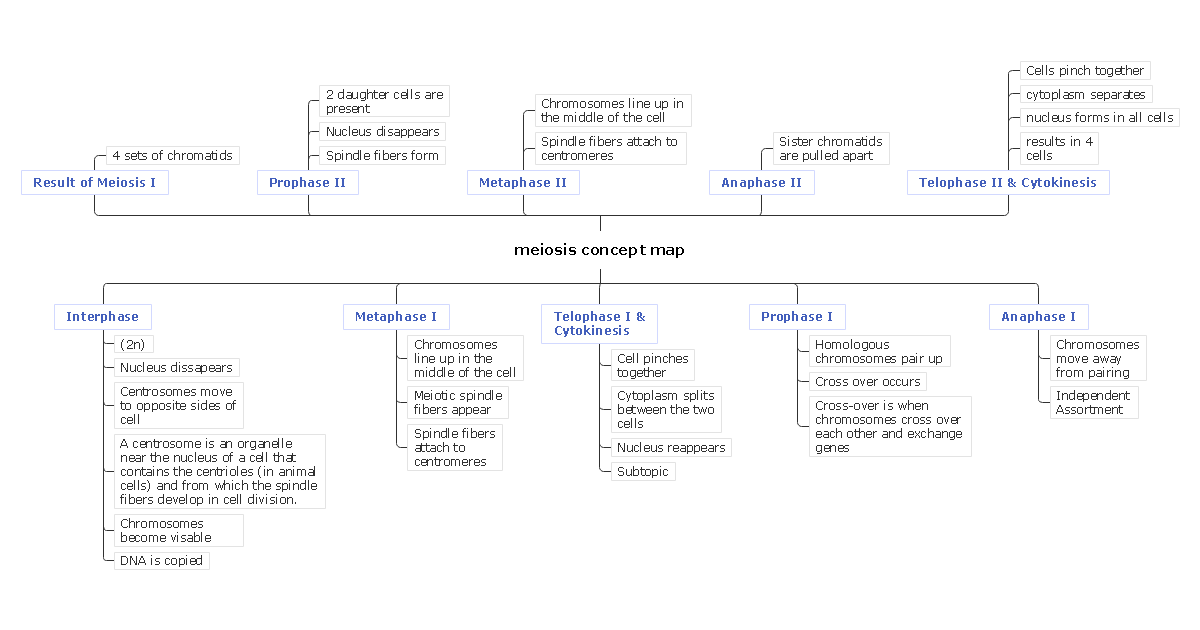
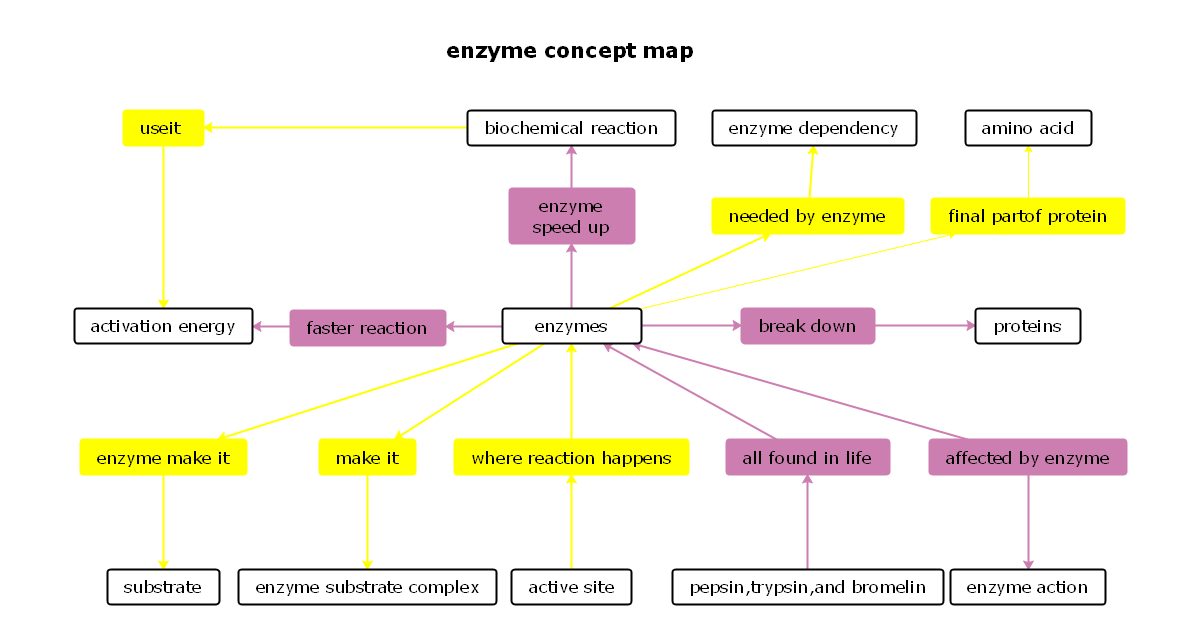
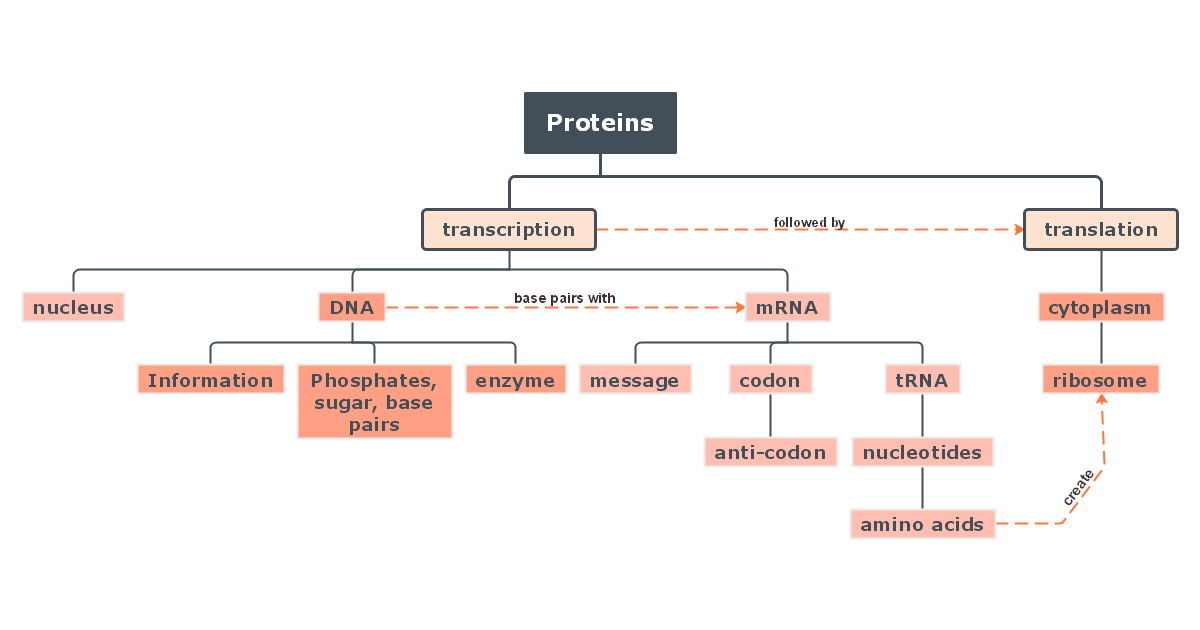
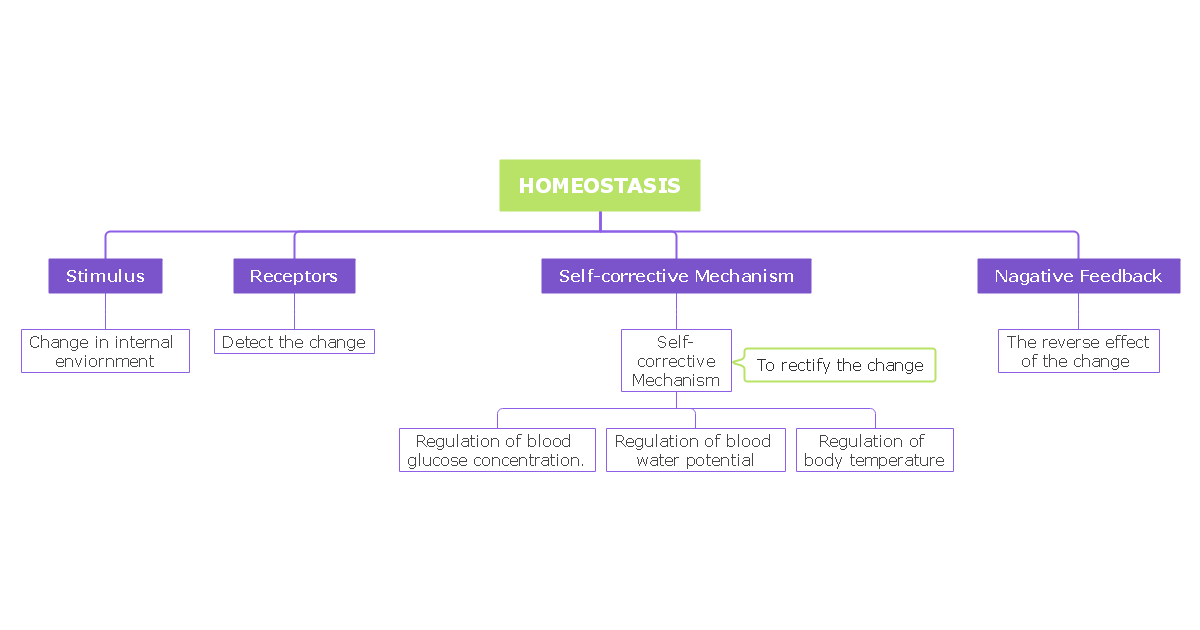
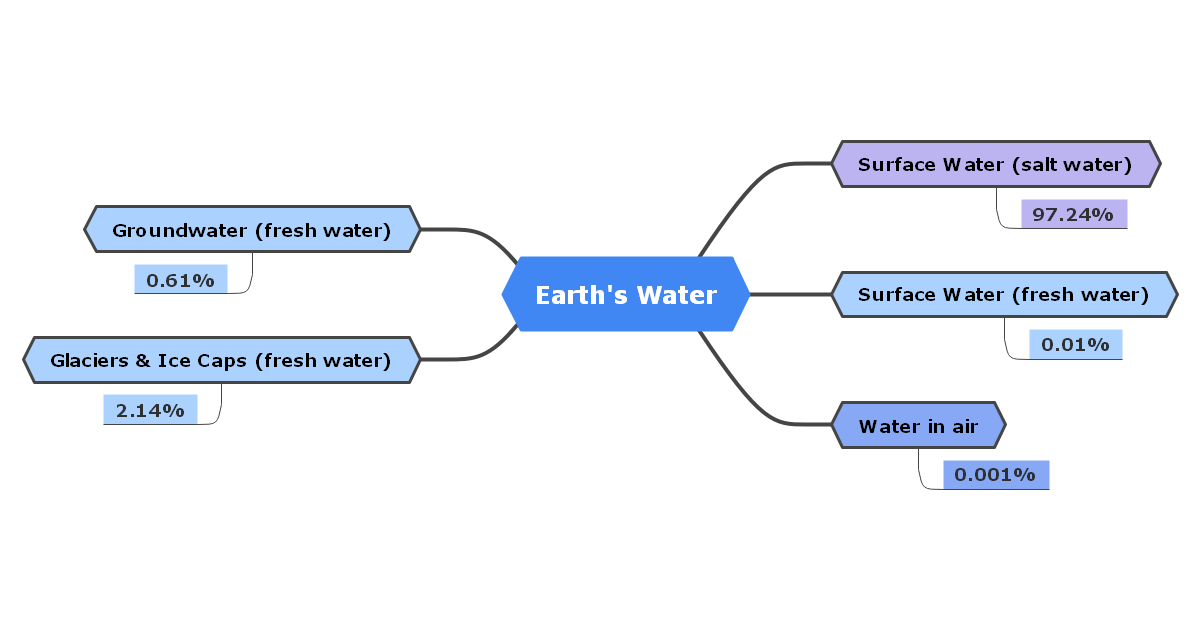
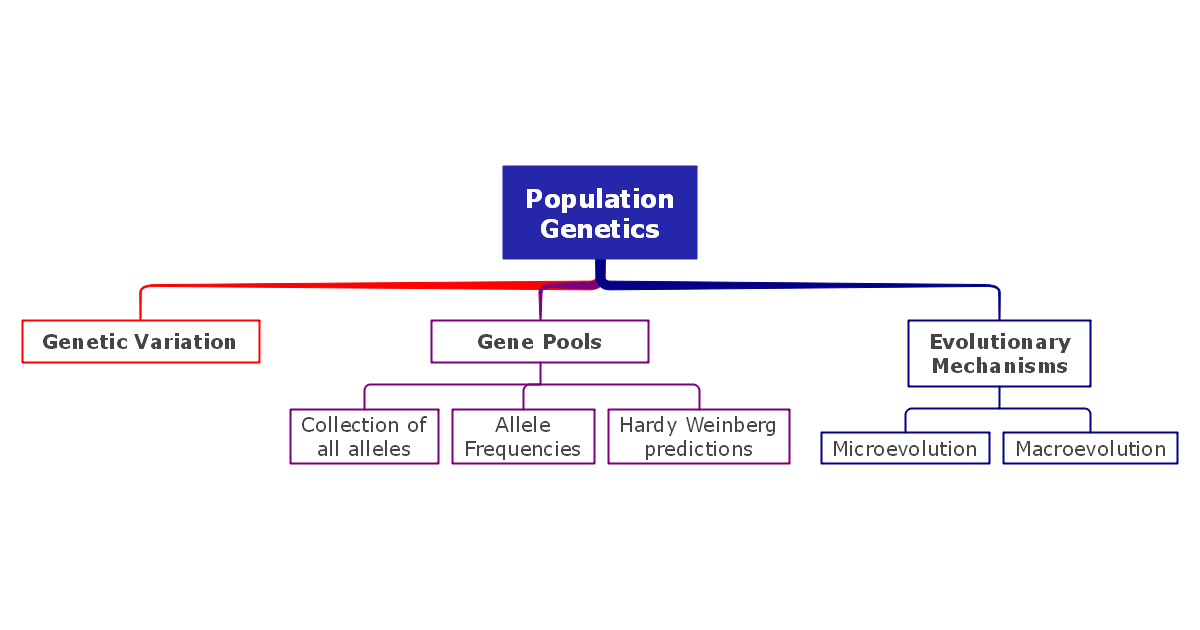
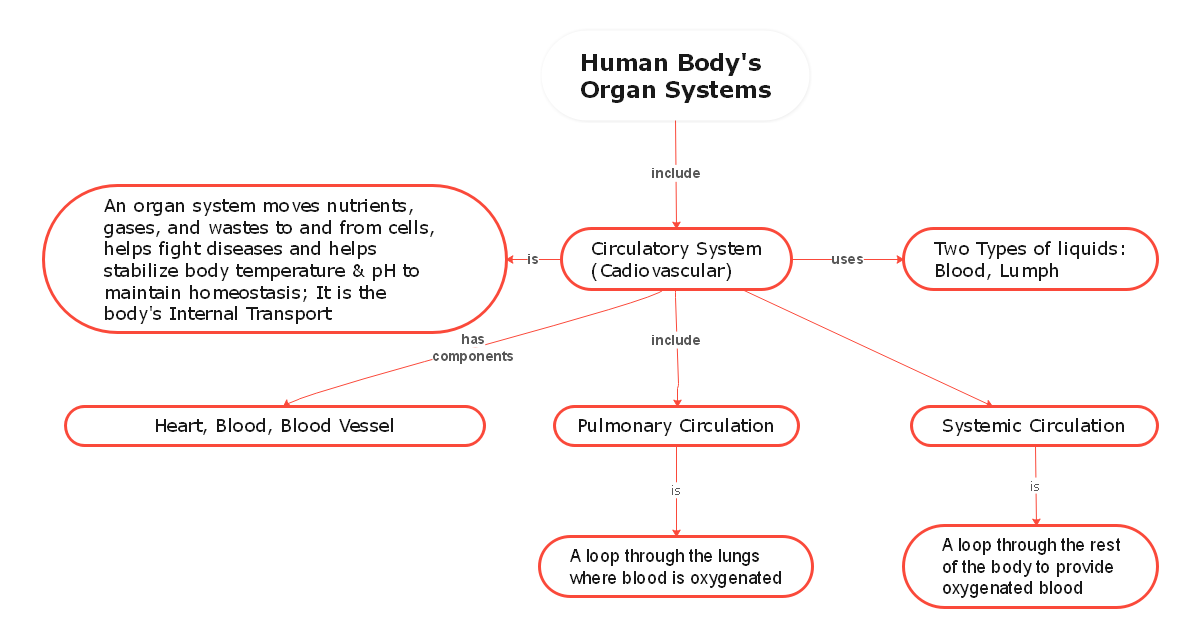
Concept Map Examples: About Body Systems
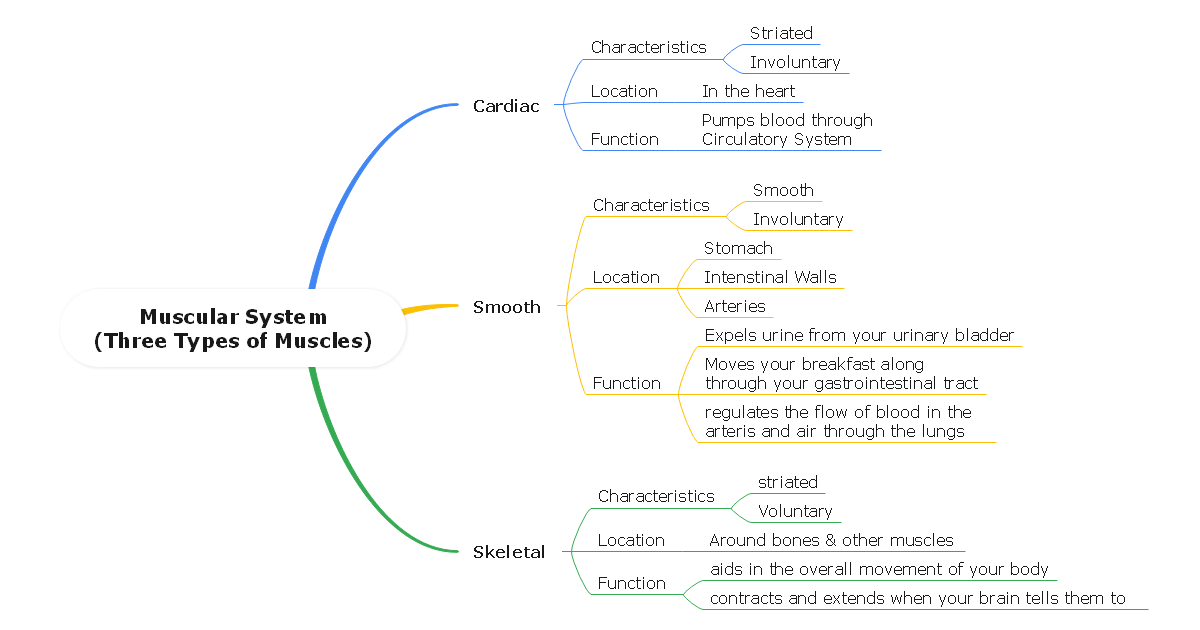
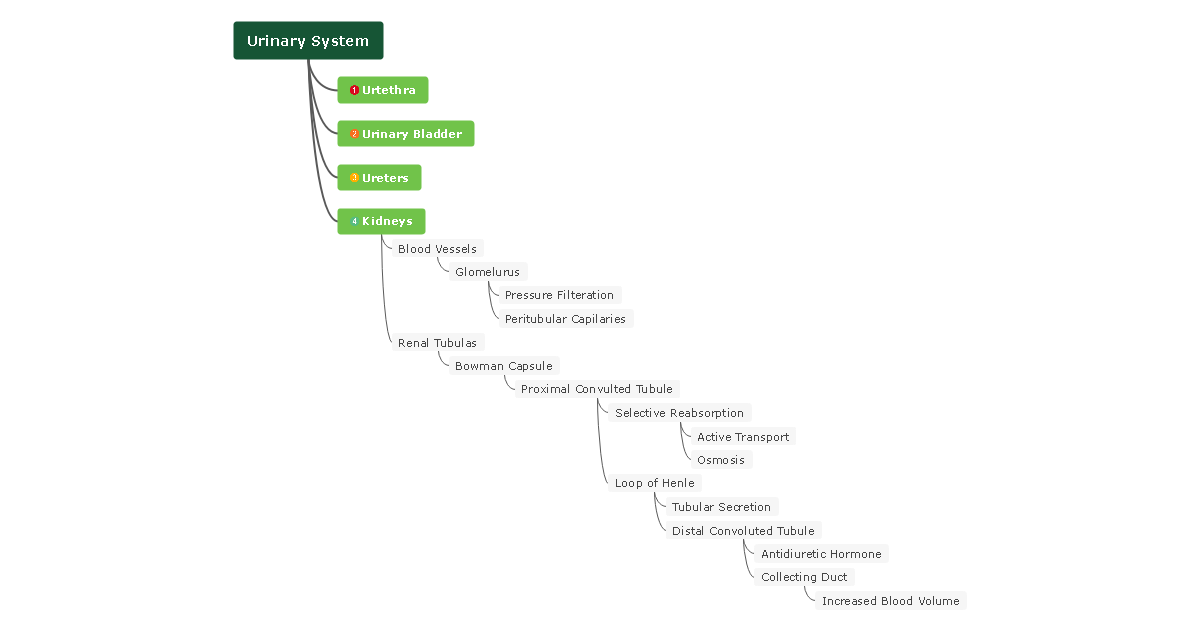
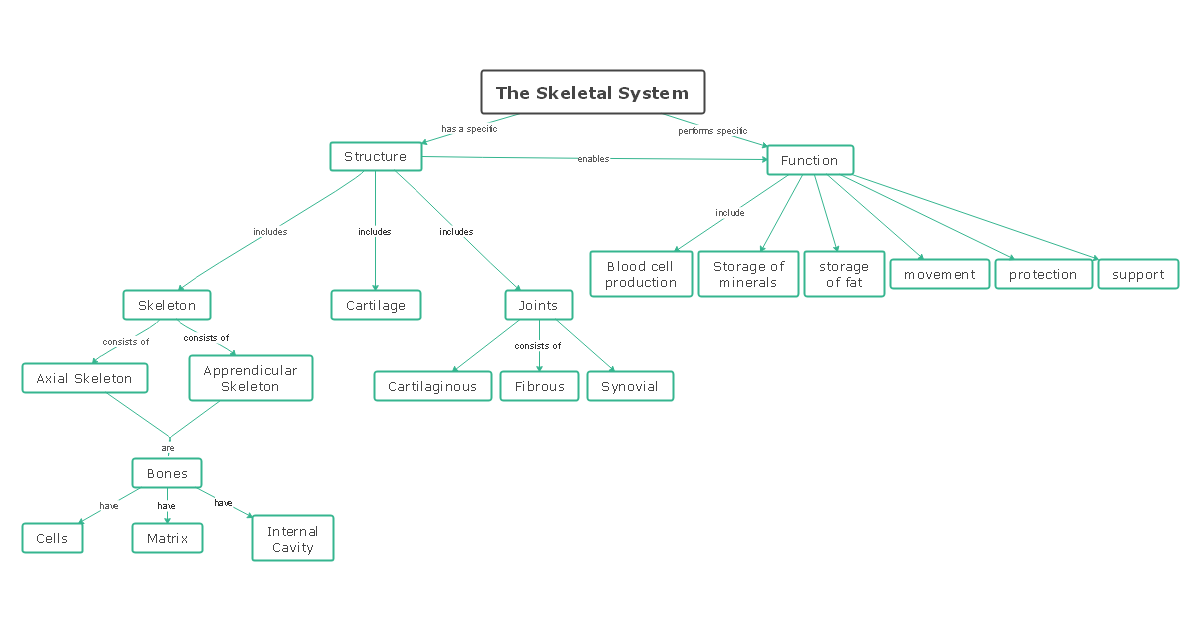
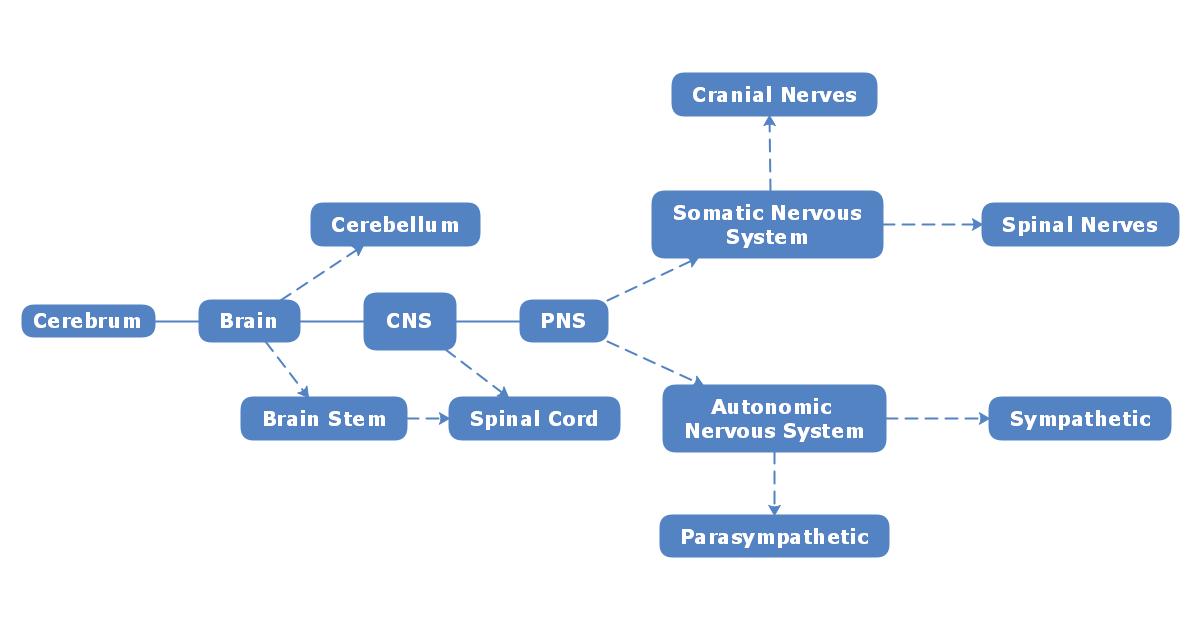
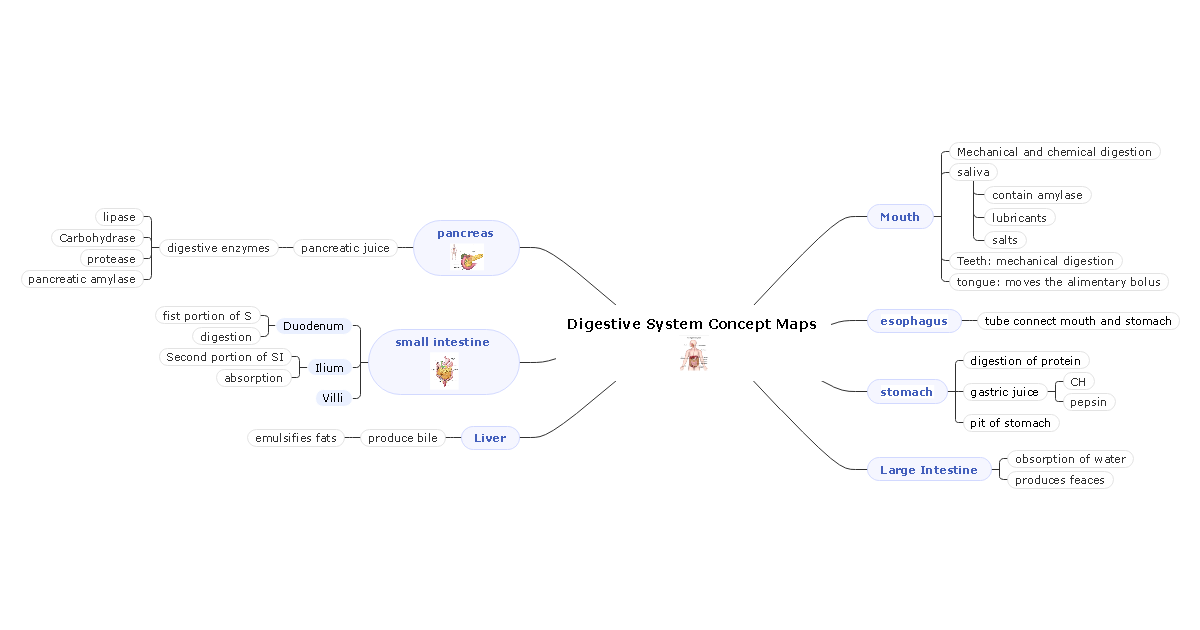
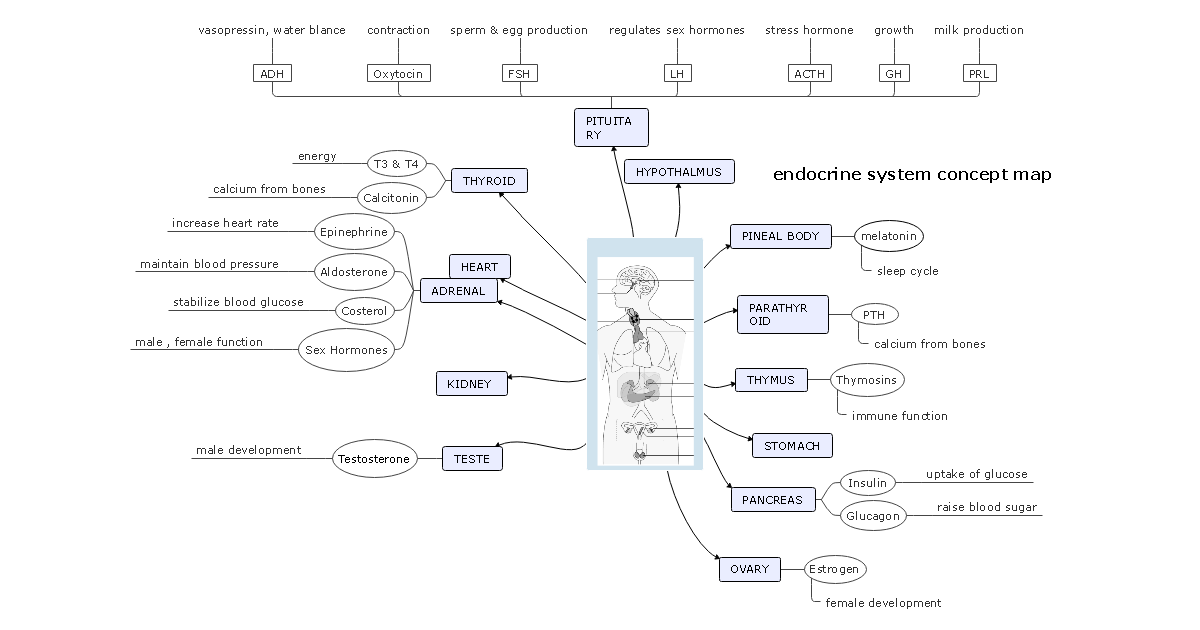
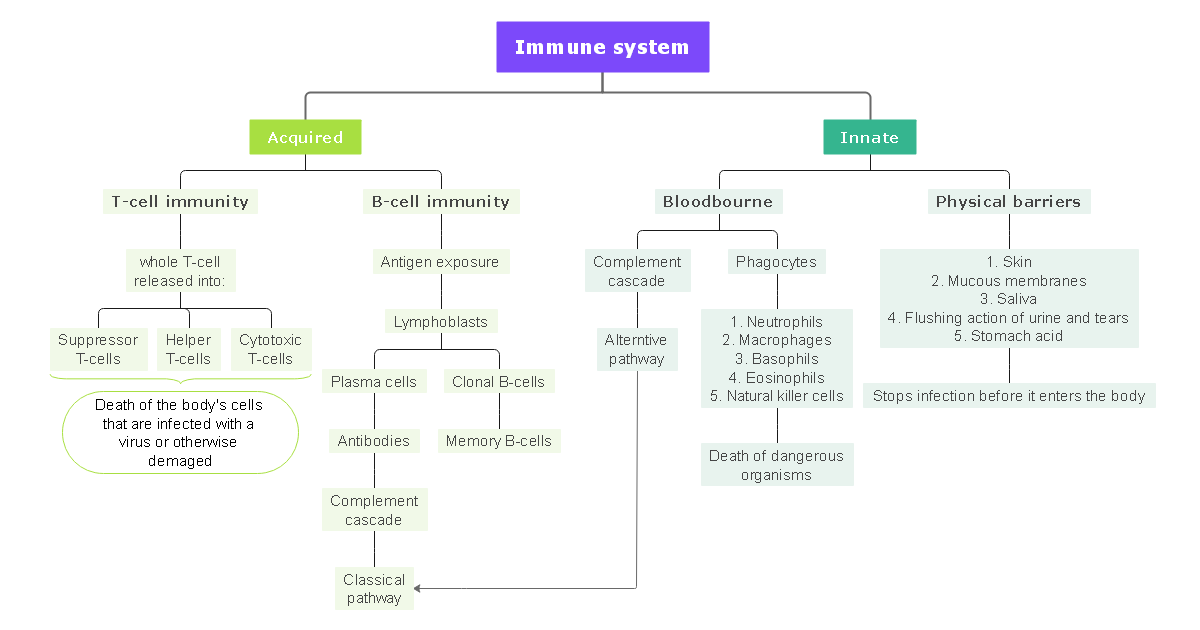
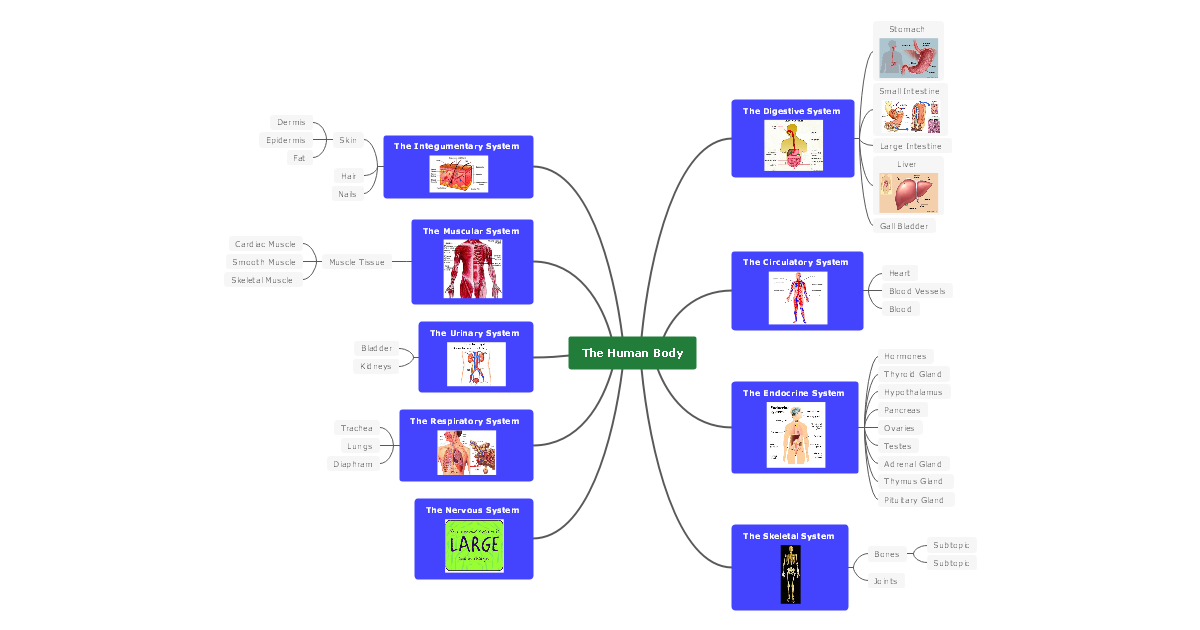
Concept Map Examples: About Diseases
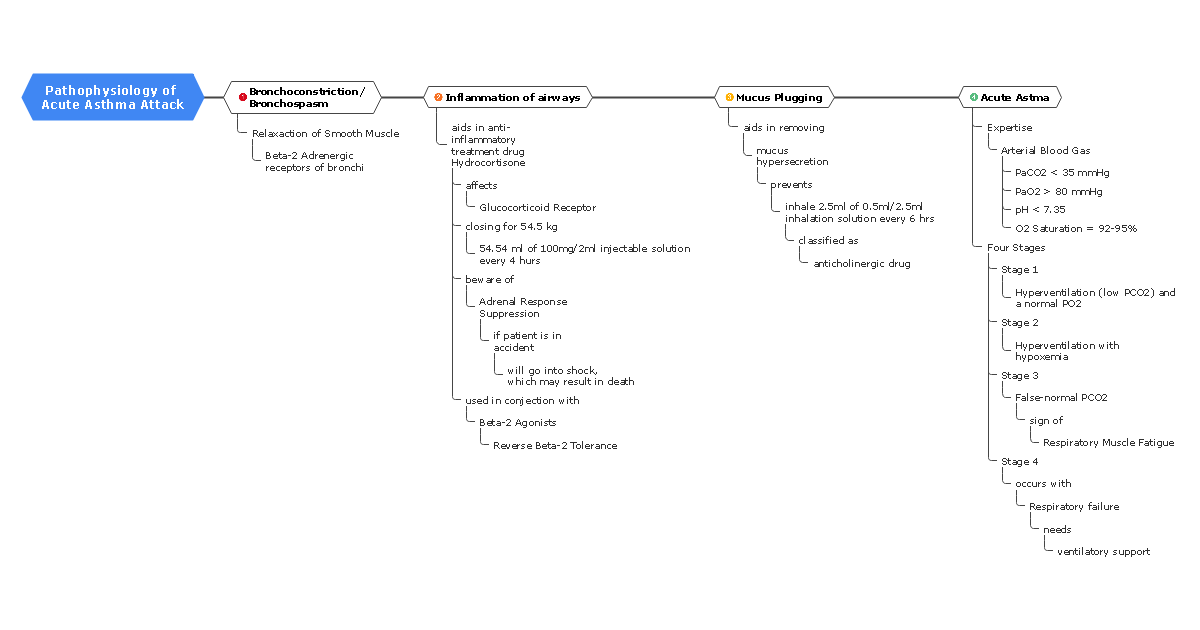
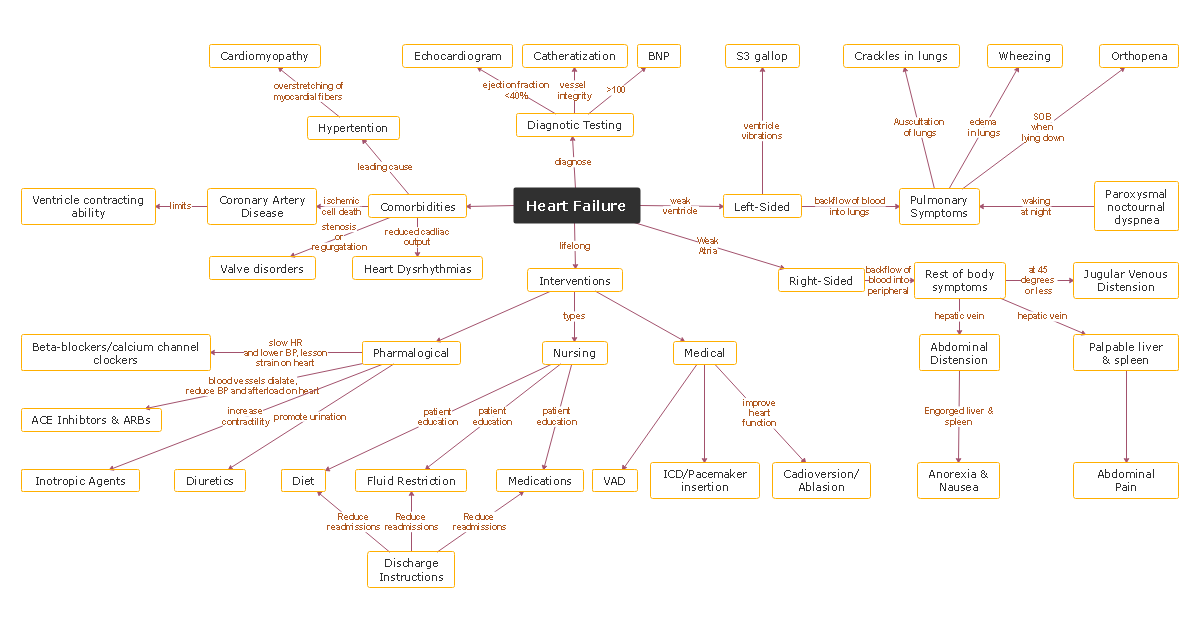
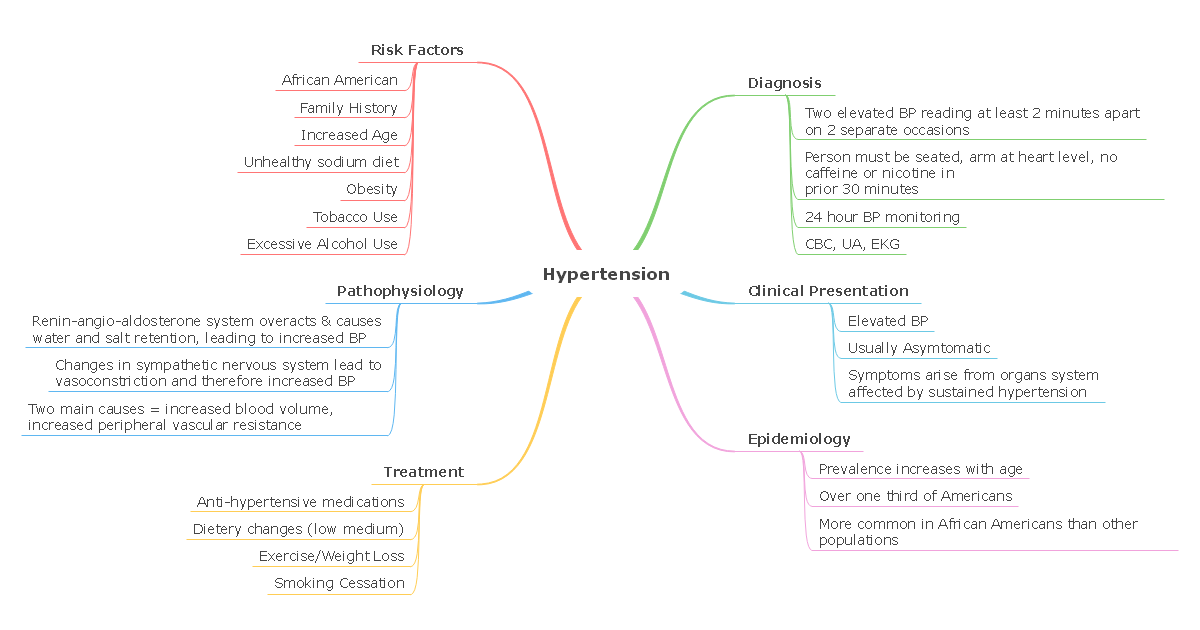
3. Concept Map Examples: Basic Biology Concepts
Cellular Respiration Concept Map
From an examination point of view, cellular respiration is a very crucial concept to study. Therefore, using a cellular respiration concept map is a valid choice for students to make to tackle examinations with ease. Moreover, the technicalities and concepts of a cellular respiration system are elaborate and difficult. However, the cellular respiration concept map will require minimal effort from students and, in return, will enable them to understand the concepts thoroughly. Students can draw their cellular respiration map to precisely interpret, recall, and map the relationships.
Lack of prior knowledge could lead students to come through the difficulty of understanding technical terms, but a cellular respiration map accommodates the issues one is facing by giving effective solutions.
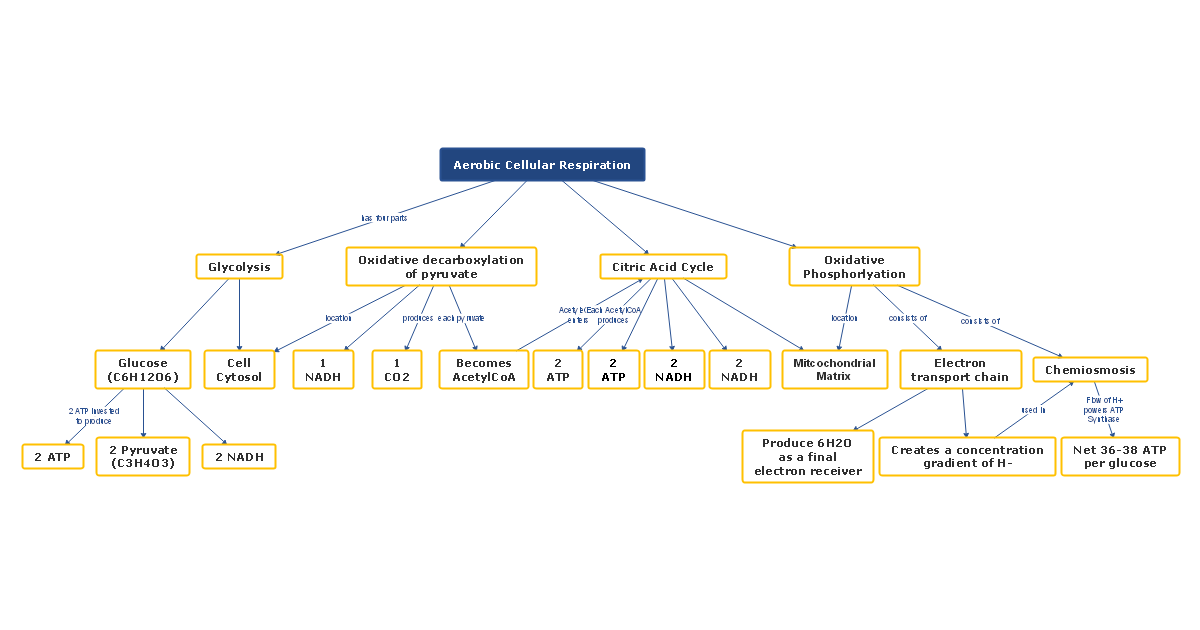
(For Win)
(For Mac)
(For Linux)


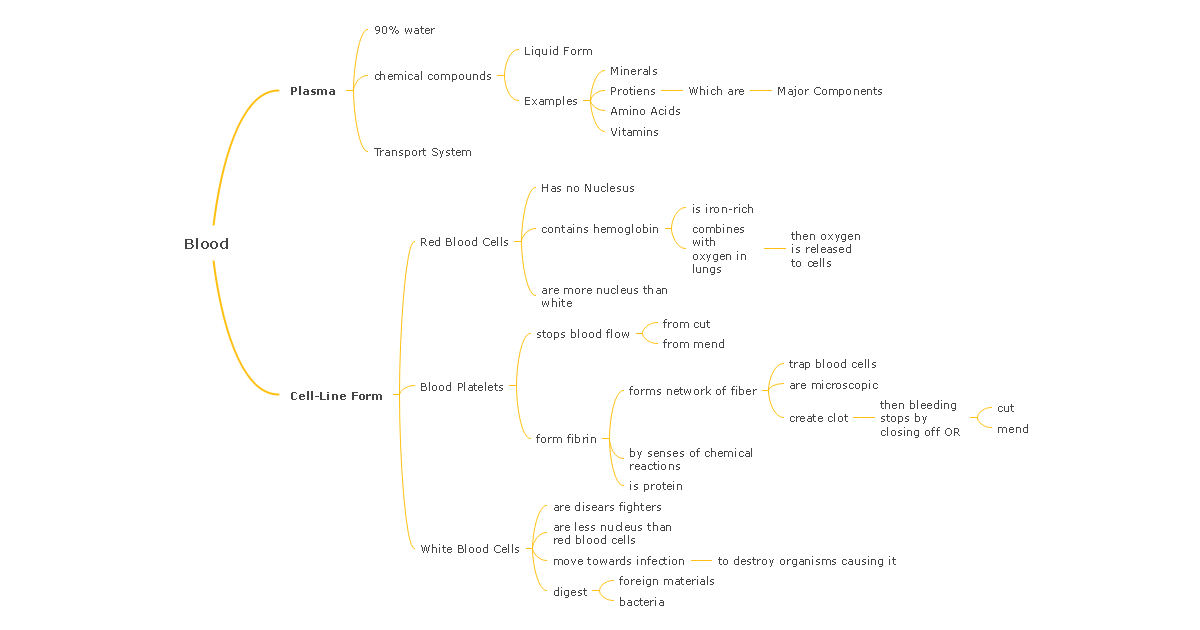
Blood Concept Map
Hematologists are experts in dealing with blood-related diseases and identifying the different aspects of blood. Blood is made up of plasma and cells that run throughout the human body. The blood concept map displays how blood flows mainstream and how the different components of blood organize themselves to regulate their operations. A branch of blood is very detailed and consists of red blood cells, white blood cells, plasma, and platelets. The blood concept map follows a constructive approach to structure ev
 EdrawMind
AppsEdrawMind Online
EdrawMind
AppsEdrawMind Online