

Finding the right career path is one of the most important decisions in life. It guides your future, shapes opportunities, and builds personal satisfaction.
Unlike random job hunting, career paths show direction. They align skills, values, and goals into a structured journey. A clear path makes it easier to set priorities, improve strengths, and track progress. It also reduces confusion about next steps.
Wondershare EdrawMind helps you plan and visualize your career path with clarity. Its mind mapping tools let you brainstorm options, set milestones, and track growth.
In this article
What Is a Career path?
A career path is a planned journey of jobs, roles, and growth. They are the steps you take in your professional life. It shows how you start, progress, and reach long-term goals. Career paths give direction and structure to success.
Here’s an example of a career path diagram flow made with Wondershare EdrawMind. Using a mind map, you can show milestones in a clear and visual format:
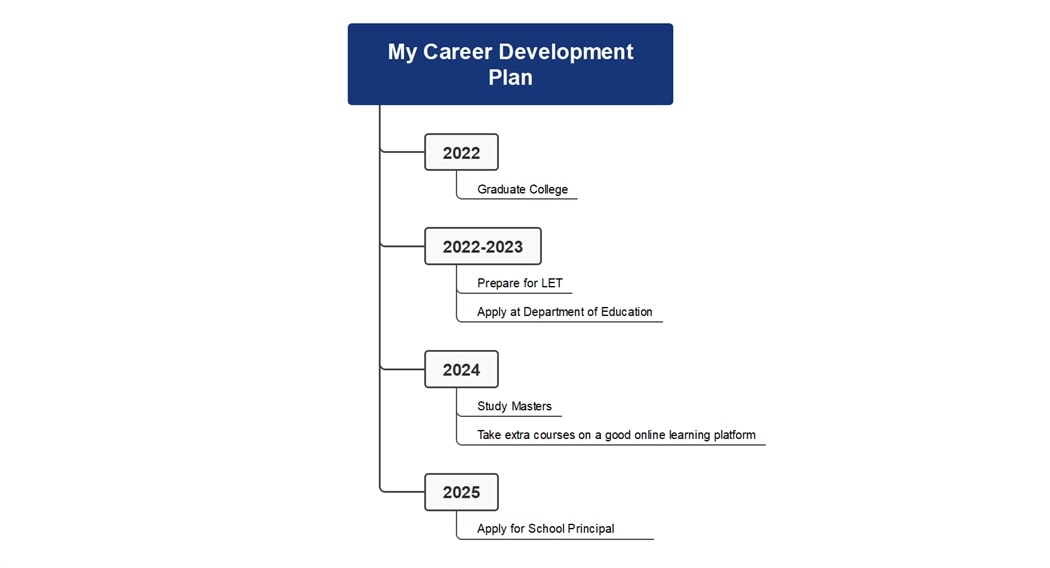


The sample career development plan begins in 2022, when you graduate from college. The next step is preparing for the LET. Applying to the Department of Education to start a teaching career path is the goal.
By 2024, the plan expands into further growth with a master’s degree. It also suggests having additional courses from online learning platforms. In 2025, the final step is applying for a school principal position, showing ambition and progression.
What Is the Difference Between a Job and a Career Path?
A job is a single role you take to earn income. A career path is a long-term plan that connects roles into growth opportunities. It is about building skills, gaining experience, and moving toward larger goals.
Unlike jobs, career paths are intentional. They show how short-term roles lead to long-term success. This planning approach helps you stay focused. It ensures that each job supports your career direction instead of being isolated.
Types of Career Paths
Career paths vary depending on your goals and choices. They can focus on steady growth, flexible changes, or even entrepreneurship. Here are the five main types worth knowing.

Traditional
Traditional career paths follow steady promotions within one field. They offer stability and growth in skills, responsibility, and income over time.
Horizontal
Horizontal paths involve shifting roles across industries. They provide variety and a broader experience instead of climbing a single ladder.
Dual
Dual career paths allow growth in both technical and managerial tracks. Professionals choose leadership or expertise without losing progression.
Entrepreneurial
Entrepreneurial paths involve building your own business. They demand risk-taking, creativity, and resilience while offering independence and control.
Hybrid
Hybrid paths combine stable jobs with side projects. This path balances financial security with personal passions or freelance opportunities.
How To Find Your Career Path
Your strengths, interests, and goals shape a career path. Here’s how to discover and plan yours:
- Self-Assessment: Evaluate skills, interests, and values. Understand what motivates you and what type of work environment suits your personality.
- Research Opportunities: Explore industries, roles, and job trends. Match them with your strengths and long-term vision.
- Set Goals: Define short-term and long-term objectives. Clear goals help track progress and maintain focus.
- Build Skills: Identify skill gaps. Enroll in training, certifications, or courses that strengthen your profile.
- Create a Mind Map: Use EdrawMind to visualize your career journey. Organize ideas, milestones, and goals in a structured format.
- Seek Guidance: Talk to mentors, professionals, or career coaches. Their insights can refine your choices and open new paths.
- Take Action: Apply for roles, internships, or projects. Practical experience strengthens decisions and brings clarity about your direction.
- Review and Adjust: Revisit your plan regularly. Adapt goals when new opportunities, skills, or challenges arise.
Career Path Templates
Career path templates give you a starting point to organize your journey. Here are examples that make planning easier:
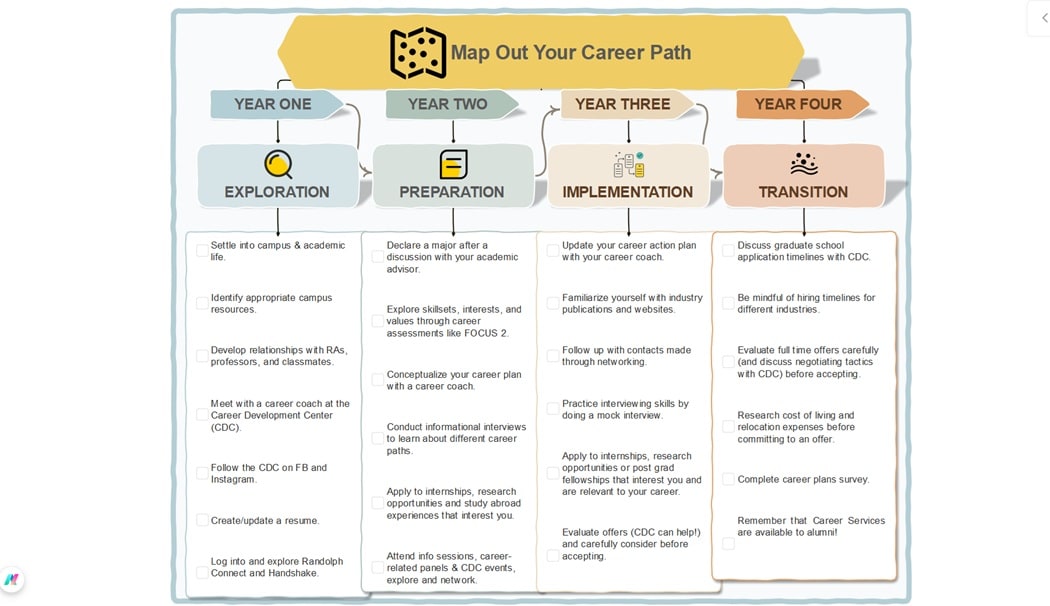
Map Out Your Career Path
This career path template starts with exploration during the first year. Students focus on settling into campus life, building relationships, and accessing resources. The actions include resume creation, connecting with the Career Development Center, and using online career platforms.
The second year emphasizes preparation. Students declare majors, take career assessments, and plan with career coaches. They gain experience through internships, research, or study abroad programs. Networking events, panels, and informational interviews help clarify interests while expanding knowledge about different industries.
Year three moves toward implementation with updated career plans, networking, and mock interviews. Students apply for internships, research, or fellowships while evaluating opportunities carefully. Year four focuses on transition, including graduate school planning, job offers, relocation, and alums career support.
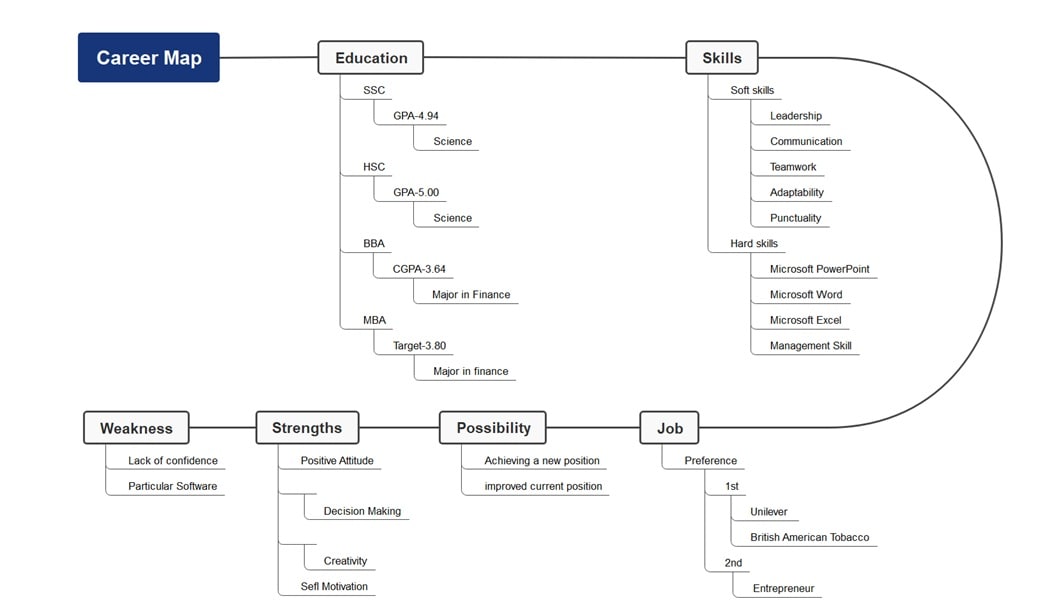
Career Map
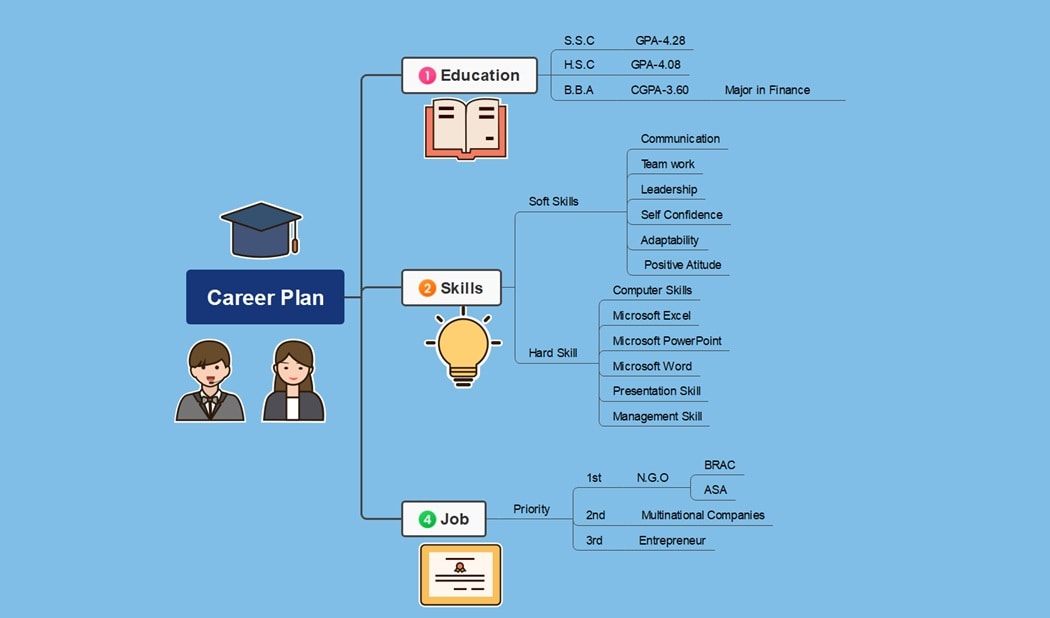
This career map highlights progress through education. It shows strong results in grades with an advanced and a finance focus. Alongside academics, it emphasizes both soft skills like leadership and hard skills in Microsoft tools.
Career goals include roles at global companies or pursuing entrepreneurship. Strengths include creativity, decision-making, and motivation. Weaknesses like limited software expertise and confidence gaps are recognized. The map balances achievements with growth areas.
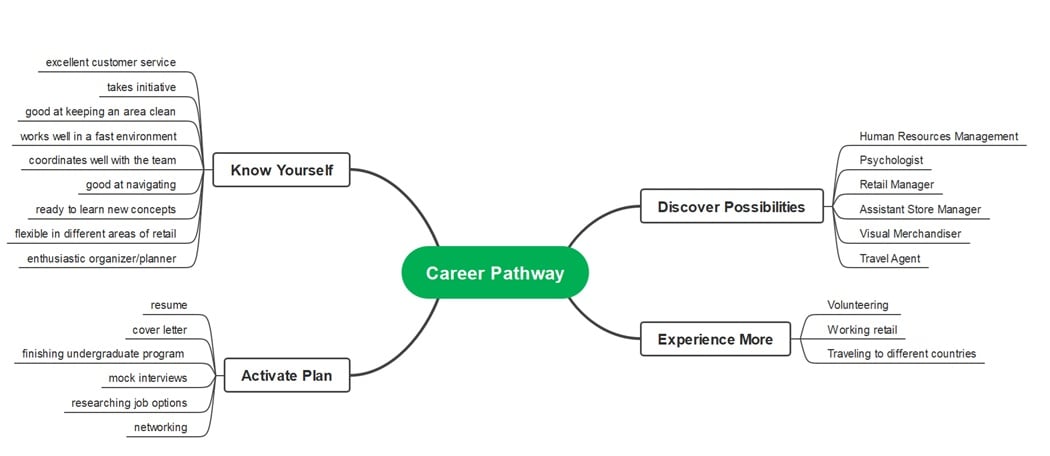
Charting Your Career Pathway
This pathway begins with exploring careers like HR management, psychology, and retail leadership. Gaining experience through volunteering, retail work, and travel adds exposure. The plan includes building resumes, practicing interviews, completing studies, and networking for opportunities.
Self-awareness highlights strengths in customer service, teamwork, organization, and adaptability. Skills like planning, initiative, and curiosity create value in fast-paced retail and beyond. Combined with flexibility and enthusiasm, these qualities prepare you for varied career options with growth potential.
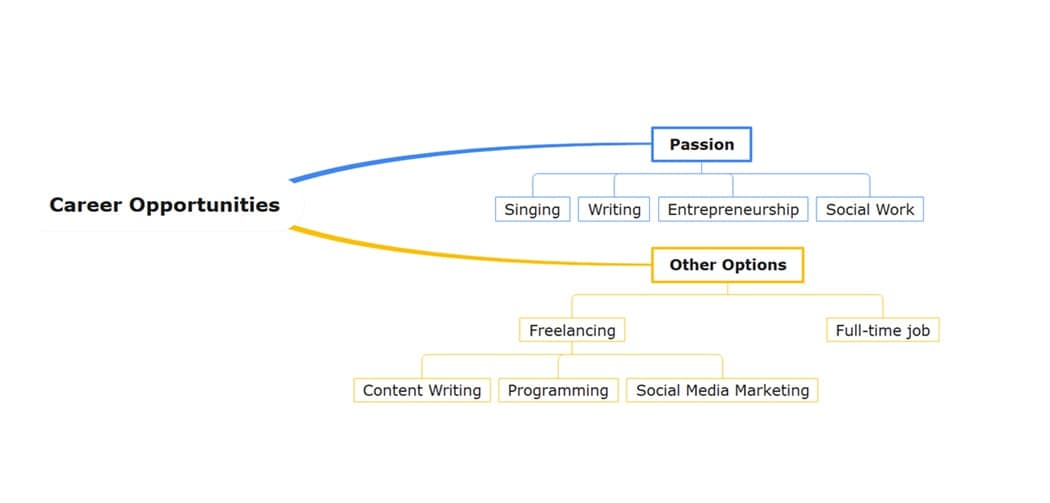
Career Opportunities Path
The career opportunities path template helps you explore passions and interests. You can organize creative paths to show potential professional directions in a clear visual format.
Other Options allow you to consider practical paths such as freelancing or full-time roles. Subcategories help map skills to opportunities. The diagram creates a flexible plan that balances passion with achievable career steps and growth potential.
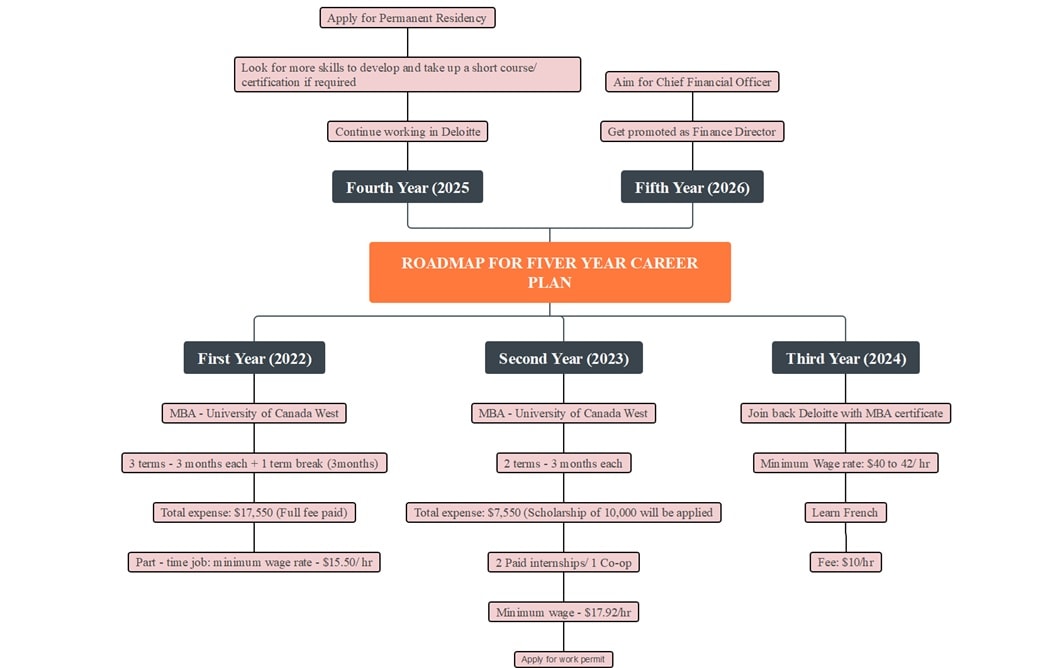
Five-Year Career Plan Roadmap
This mind map shows a five-year career plan. It highlights key milestones, goals, and steps for professional growth. Each year is visualized to help track progress and plan actions.
In the first year (2022), the mind map shows completing the MBA at the University of Canada West. It includes three terms, one term break, total expenses, and part-time work. Students can see how academics and work balance together.
For years two to five (2023–2026), the mind map outlines internships, co-ops, and work permit applications.
It shows returning to Deloitte with an MBA, learning new skills and taking certifications. Next is applying for permanent residency and aiming for promotion to Chief Financial Officer.
Why Use EdrawMind for Career Planning?
EdrawMind is more than a mind mapping tool. It helps you brainstorm, plan, and structure career goals visually. With templates and AI tools, you save time and stay focused.
For career planning, EdrawMind makes mapping easy. You can connect goals, steps, and skills into one visual flow. Its AI tools simplify structure, turning rough ideas into a polished roadmap ready for sharing or presenting.
Here are EdrawMind’s main features:
AI Presentation Career Path Generator
Enter your project summary, and EdrawMind’s AI generates a structured career path. It suggests key sections like background, milestones, and outcomes. This provides a strong starting point that you can expand and customize for presentations.
File to Slide Career Path
Upload Word documents, reports, or notes, and EdrawMind converts them into a visual mind map. This organizes your information and allows you to see connections. You can track progress and refine your career plan in a clear and editable format.
Pic to Slide Career Path
Take photos of notes, sketches, or whiteboards. EdrawMind scans the content to create a clean, organized mind map. This feature saves time on manual entry while preserving the idea. It turns physical materials into structured, actionable career planning visuals.
AI Mapping
Provide a few keywords or short phrases, and EdrawMind’s AI builds a complete mind map. You can rearrange, edit, and expand the map to visualize the full journey. This simplifies planning and ensures all key areas are represented.
Text to Mind Map Maker
Paste raw text such as emails, reports, or transcripts, and EdrawMind transforms it into a structured mind map. It organizes ideas, highlights main points, and allows you to develop your career path. It makes complex information easier to understand.
How To Make a Career Path With EdrawMind
EdrawMind allows you to create structured career paths using mind maps. You can brainstorm, organize, and present plans. Follow the steps to make one:
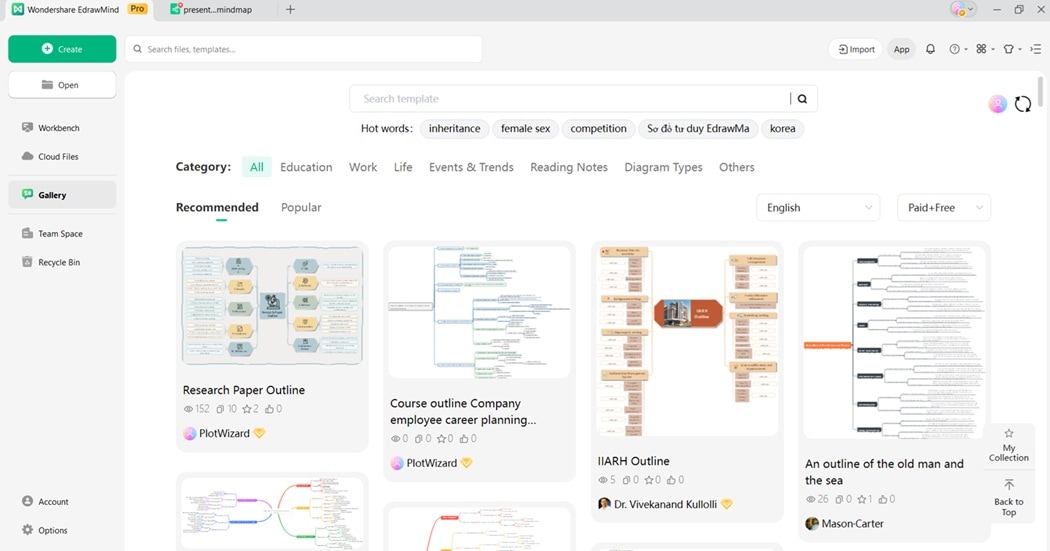
Step 1:
Download and install EdrawMind. Log in with your Wondershare account or register a new one. Once inside, create a new mind map project to begin.
 Try the app & get 500 free AI tokens


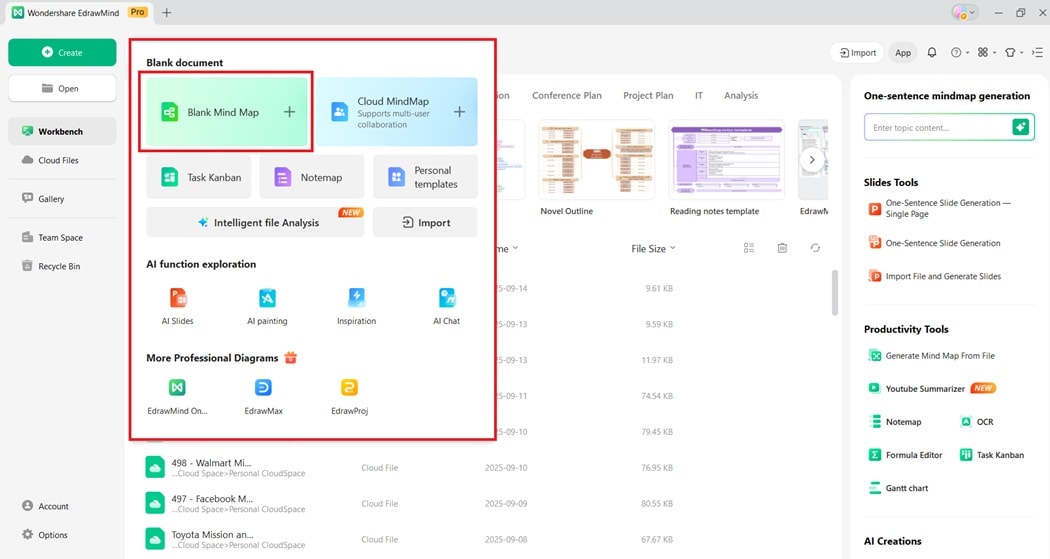
Step 2:
On the editing canvas, type your career goal in the central node. This becomes the foundation for your path.
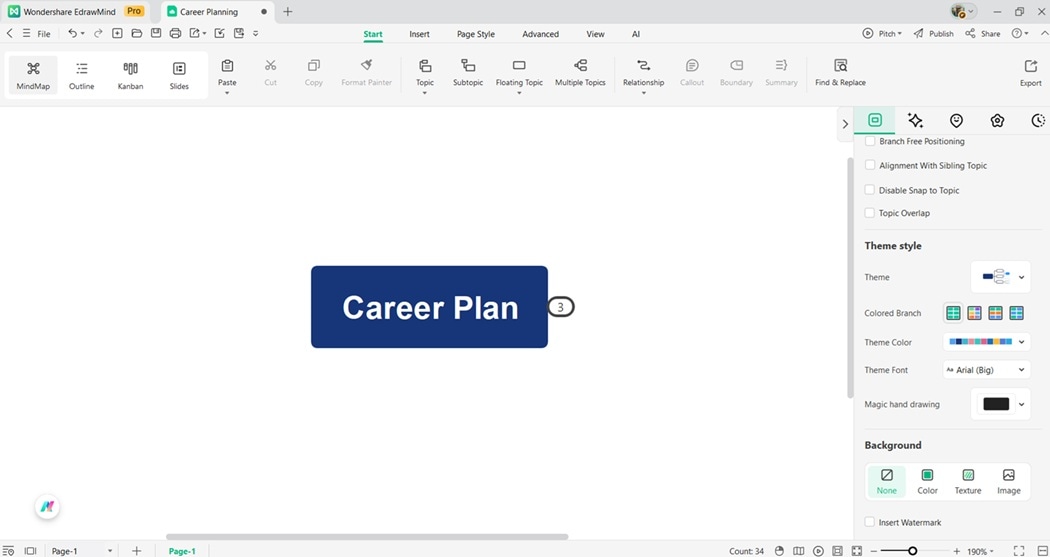
Step 3:
Add branches for skills, education, experience, and goals. Expand with subtopics such as training, projects, or certifications.
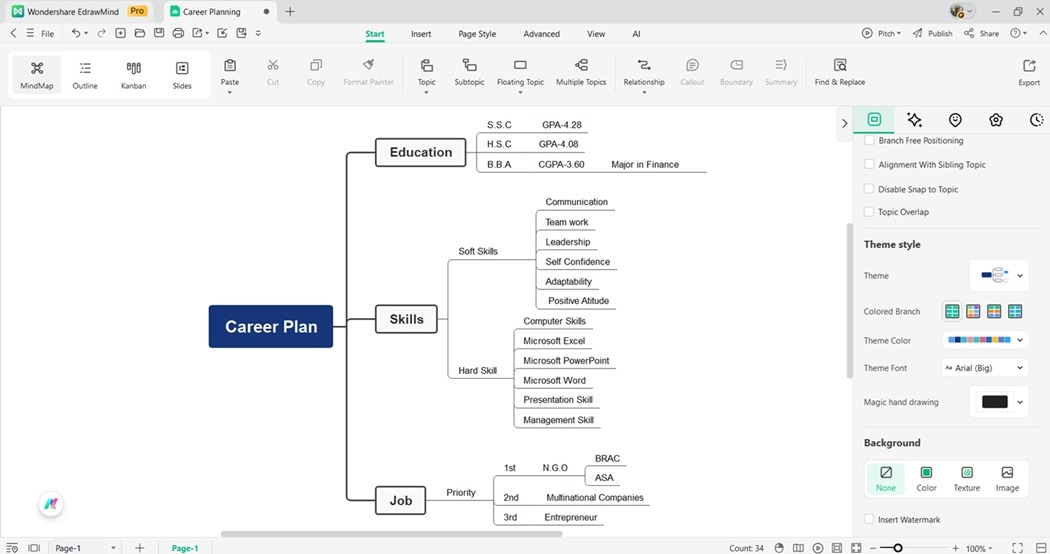
Step 4:
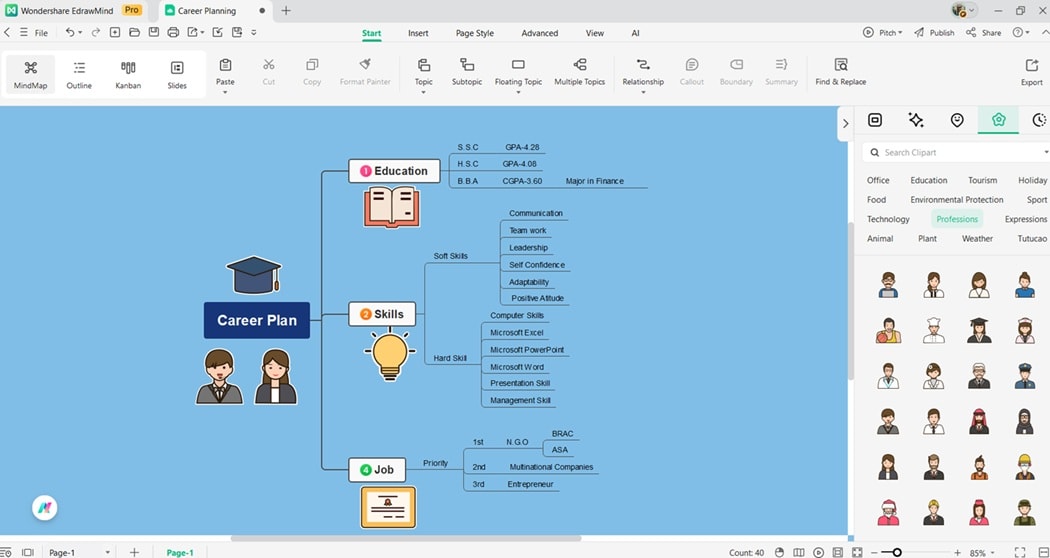
Use the design tools on the right-side panel to highlight important steps. Add visuals, icons, or colors to personalize your diagram.
Step 5:
Review your career path mind map. When you’re done, export your map as a PDF, Word, or image. Share it with mentors or use it as a personal career guide.
10 Ways To Improve Your Career Path
Improving your career path ensures clarity and impact. These strategies help you organize, present, and advance your professional journey.
- Know Your Audience: Understand who will read your career path. Relevant content increases engagement and makes your plan more persuasive.
- Start with Clear Goals: Define both short-term milestones and long-term ambitions. Clear goals guide your decisions and help measure progress.
- Keep Points Concise: Use short, clear statements instead of long paragraphs. Concise points make your career path easy to read and understand.
- Use Logical Flow: Organize your skills, roles, and achievements in a logical sequence. A clear sequence helps readers follow your professional growth.
- Add Strong Visuals: Include charts, icons, or diagrams to highlight key milestones. Visuals make your career path more engaging and memorable.
- Include Feedback or Quotes: Add insights from mentors or colleagues. Feedback demonstrates credibility and supports your achievements.
- Highlight Key Results: Focus on measurable outcomes like promotions or completed projects. Numbers and results show clear progress and impact.
- Balance Text and Visuals: Combine brief text with visuals to avoid overwhelming readers. Balanced content ensures clarity and keeps the career path engaging.
- Review with Mentors: Share your plan with trusted mentors or peers. Their feedback helps refine your structure and identify improvements.
- Revise after Feedback: Update your career path based on suggestions or new goals. Regular revisions improve clarity and demonstrate professionalism.
With EdrawMind, you can visualize your career goals, organize milestones, and create a clear, structured roadmap. Use its mind mapping tools to plan your professional journey.
Conclusion
A clear career path gives you direction. It shows how skills, roles, and experiences connect. This helps you make informed choices. You can plan steps toward meaningful long-term growth.
Mapping your career reduces confusion. It supports personal development in a structured way. Outlining steps and milestones lets you prioritize actions. You can measure progress and see how each role contributes to your journey.
EdrawMind makes career planning simple. Visual mind maps organize goals and track achievements. You can adjust plans as opportunities or interests change. It turns ideas into a clear, actionable roadmap.
Use EdrawMind to plan your professional journey. Visualize milestones, identify skill gaps, and connect short-term tasks to long-term objectives. This approach keeps you focused and confident in building your future.
FAQ
-
Can students benefit from career path planning?
Yes, students can explore options, set goals, and prepare for the workforce. Mapping a career path helps them choose majors, internships, and extracurriculars. Find a path that supports your long-term professional development and skill growth. -
Can career paths change over time?
Yes, career paths are flexible. It can adapt to new interests, opportunities, or challenges. Regular evaluation and adjustment ensure your path remains aligned with evolving goals and industry trends for sustained growth. -
How do I set realistic career goals?
Set goals based on your strengths, experiences, and industry expectations. Break them into achievable short-term milestones and long-term objectives. Use visual tools like EdrawMind to track progress and maintain clarity throughout the process.
 EdrawMind
AppsEdrawMind Online
EdrawMind
AppsEdrawMind Online