


Do You Know the History of Tokyo?
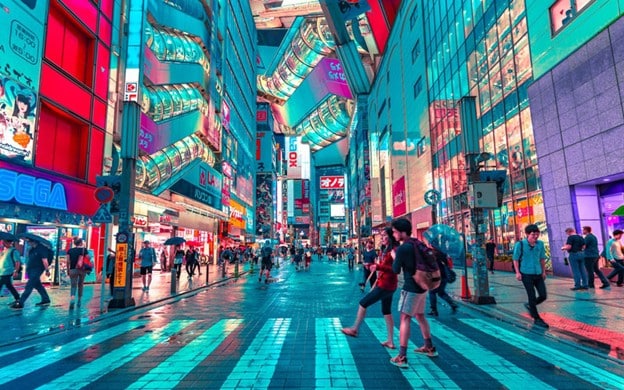
The world's most densely populated city, Tokyo actually figures out how to beguile its guests with its style, natural beauty, and food.
We as a whole know Tokyo for its rich diversion, culture, shopping, and perhaps a scramble of insanity. While we look in shock and appreciate the unlimited things we can do there to have a great time, we additionally should plunge into the interesting past of conceivably the most celebrated urban communities.
In this article
History of Tokyo
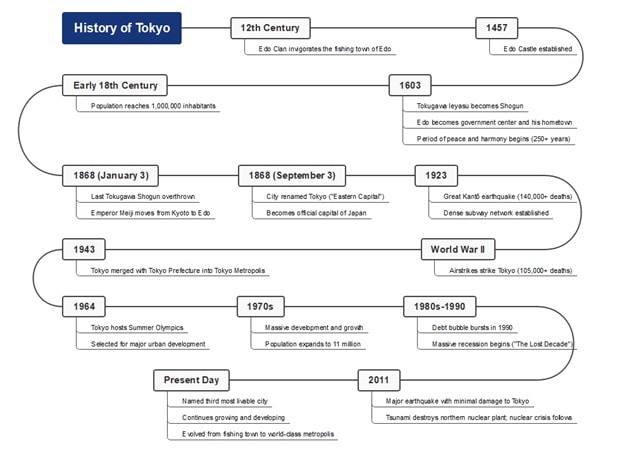


Below are four main historical stages of Tokyo.
15th to Early 18th Century
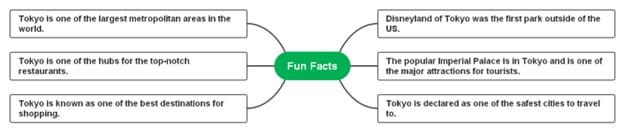
Tokyo was initially a fishing town called Edo. It was first invigorated by the Edo Clan in the twelfth century, and after 200 years, the celebrated Edo Castle was established in 1457.
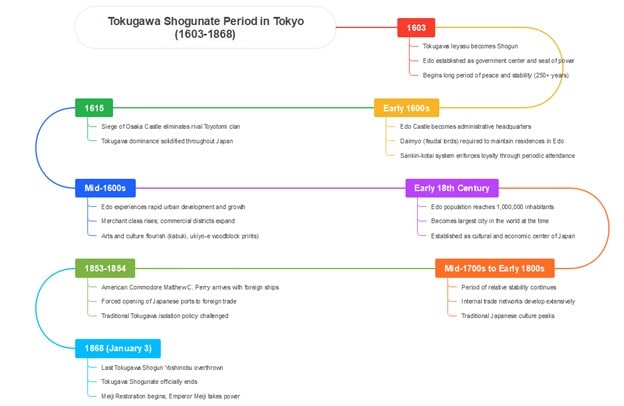
In 1603, the city turned into the government's center when Tokugawa Ieyasu became Shogun and established it as his hometown.
With his rule, he likewise began a long period of harmony and peace that endured more than 250 years. During this time, the city developed quickly and reached 1,000,000 inhabitants at the start of the eighteenth century.
This peace and harmony ended when the American Commodore Matthew C. Perry showed up in Japan, opening the harbors to foreign merchandise.
This measure constrained costs from rising until inflation. Individuals responded fiercely, and the allies of Emperor Meiji utilized the circumstance to overthrow Yoshinobu, the last Tokugawa Shogun, on January 3, 1868.
Late 19th Century to Early 20th Century
After the rule of the Shogun had finished, Emperor Meiji moved from Kyoto to Edo. The city was renamed Tokyo, which signifies Eastern Capital, and it became the official capital of Japan on September 3, 1868.
After the earthquake in 1923, the dense network of subway stations was established. The city developed around it, prioritizing the subway over cars, ultimately making it a critical traffic solution in Tokyo.
Though the advancement of Tokyo went on, it was struck by the 1923 Kantō quake (around 140.000 deaths) and the airstrikes during World War II (around 105,000+ deaths).
1943 – Present Day
After the city was merged with the Prefecture of Tokyo into Tokyo Metropolis in 1943, it was effectively remade and selected to host the Summer Olympics of 1964.
The 1970s brought a huge turn of events, and the population expanded to 11 million. After the war, the count dropped to only 2.8 million.
However, the accompanying 1980s saw a debt bubble that burst in 1990, causing a massive recession.
That period is known as The Lost Decade of Japan, and the country gradually recovered.
The Modern-Day Tokyo
In 2011, a significant earthquake hit Japan, yet it did little harm to Tokyo itself, while a Tsunami destroyed a northern nuclear plant, followed by a nuclear crisis.
In the present day, Tokyo is still in the phase of growing both outwardly and inwardly. It was named the third most livable city.
The reasons to visit Tokyo are numerous, and despite being a little fishing town, it has some of the most celebrated and fascinating urban areas in the world.
Fun Facts About Tokyo
What makes Tokyo an interesting place to visit? Here are a few of the fun facts about the busy capital of Japan that will provoke you to pack your bags and fly to Tokyo.
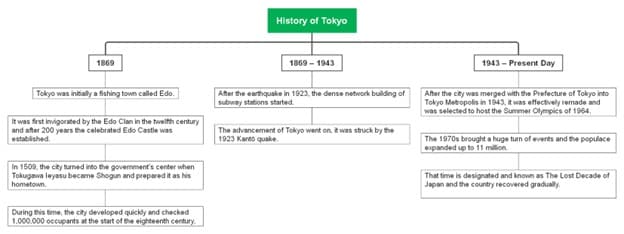
- Tokyo is one of the largest metropolitan areas in the world, hosting over 36 million people spread over three regions.
- Tokyo is one of the hubs for the top-notch restaurants around the world. It has 12 3-star-rated MICHELIN restaurants.
- Tokyo is one of the busiest cities in Japan and possesses over 3000+ pedestrian crossings.
- Tokyo is known as one of the best destinations for shopping, as it offers tax-free shopping to tourists at the licensed stores. A passport is required when you are planning to shop tax-free.
- Tokyo Disneyland was the first park outside of the US. The Disney Parks resort employs about twenty thousand people.
- The popular Imperial Palace is in Tokyo and is one of the major attractions for tourists.
- Tokyo is known for having some haunted places.
- Tokyo is declared as one of the safest cities to travel to. The crimes against tourists on the streets are rare.
Create a Timeline To Understand History Better
As you may know, understanding history takes a bit more than just reading content. If you really need to understand the history behind the great city of Tokyo, then using additional visual tools might be really helpful.
Benefits of Creating a Timeline
A prime tool for learning history is the use of timelines. Using timelines offers several benefits that you might like, especially if you’re a history buff:
- Improved retention. Making timelines manually forces your brain to digest the content and arrange it accordingly. The mechanical act of creating a timeline makes it really helpful for memorization.
- Easier review of material. Once you’ve created your timeline, you can easily view it. Next time you need key points of history, a single glance at the diagram you’ve made will do.
- Presentation/sharing. Since timelines are visual tools, you can easily incorporate them into your presentations or documents. It’s easy to share the information with other people.
How To Create a Timeline
In general, here’s how you can make a timeline. As the history of Tokyo is so vast, you can try making a timeline for a specific era you’re interested in. This article will guide you through the process below:
Step 1
First, determine the era of Tokyo history you’re interested in. A common topic in history is the period when the Tokugawa shogunate occupied the predecessor city of Edo. Use this as the main node of your timeline.
 Try the app & get 500 free AI tokens


Step 2
Then, add in the key events or details surrounding the history of Tokyo during the Tokugawa Shogunate. Make sure to add the dates.
Step 3
After adding in the key dates, type in subtopics under the key events.
Step 4
Lastly, try to design your timeline with pictures or choose appropriate themes or shape designs.

Tool Recommendations for Timeline Creation
Convinced to use a timeline as you study the history of Tokyo or other places? Then, you’ll need a tool to use. Try to find tools that have AI functionalities yet provide you with creative freedom, like Wondershare EdrawMind.
Conclusion
Tokyo, once known as (until 1868) Edo, is the city and capital of Japan. It is situated at the head of Tokyo Bay on the Pacific shore of Honshu. Tokyo is one of the world's extraordinary urban communities.
While its history may be short, the city has already played numerous roles, from a samurai fortress to a capital and a modern metropolis.
Its most recent identity, city of the future, as it is regularly depicted in manga, anime, and think pieces, is simply one more illustration of Tokyo's mutable nature.
 EdrawMind
AppsEdrawMind Online
EdrawMind
AppsEdrawMind Online