



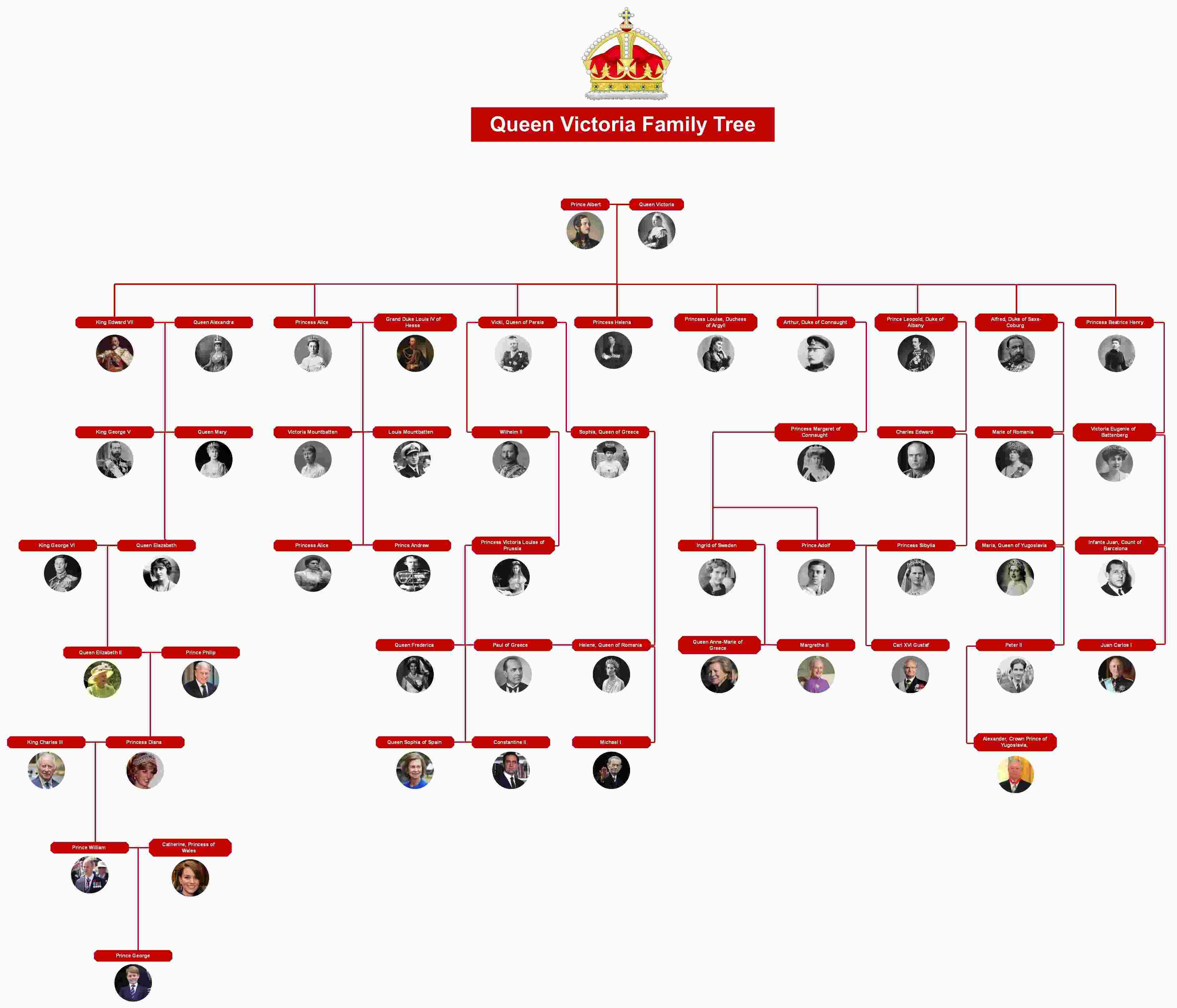
Queen Victoria and Prince Albert had nine children: four sons and five daughters. Their children and grandchildren married into royal houses across Britain, Germany, Russia, Greece, Romania, Spain, Norway, and Sweden, which is why Victoria is widely known as the "Grandmother of Europe." The Royal Collection Trust family tree provides a useful visual reference for the immediate family.
If you are using the diagram to trace lineage, start with Victoria and Albert's nine children, then follow each branch to the grandchildren who became monarchs or married into other royal houses. This page focuses on those major connections rather than trying to list every modern descendant.
Queen Victoria Family Tree at a Glance
| Victoria & Albert | Married in 1840 and had nine children: five daughters and four sons. |
| British royal line | Edward VII → George V → George VI → Elizabeth II. |
| German connection | Victoria, Princess Royal, became German Empress; her son was Wilhelm II. |
| Russian connection | Princess Alice's daughter Alexandra married Nicholas II, the last Russian emperor. |
| Wider European links | Victoria's descendants also married into the royal houses of Greece, Romania, Norway, Spain, and Sweden. |
| Grandchildren | Victoria and Albert had 42 grandchildren across their nine children's families. |
This is why Queen Victoria is often called the "Grandmother of Europe." The family tree is easiest to understand by following each of her nine children outward into the royal houses their descendants joined. See also HISTORY's overview of Victoria's family and descendants.
In this article
A Walkthrough of Queen Victoria's Family Tree


Children
Queen Victoria married her first cousin, Prince Albert of Saxe-Coburg and Gotha, in 1840. They had nine children: five daughters and four sons. Several of those children married into European royal families, which is why Victoria is often called the "Grandmother of Europe."
- King Edward VII (1841 - 1910): Edward was the first son and second child of Albert and Victoria. He was the longest-reigning heir before King Charles III. Edward claimed the throne after Queen Victoria's death and married Alexandra, the princess of Denmark. Later, he died at the age of 68 after several heart attacks.
- Princess Royal Victoria (1840 - 1901): Out of Queen Victoria's nine children, Princess Royal was the eldest child. She was known as 'Vicky' among her family members and was well-educated and highly intelligent. At 17 years old, Victoria got married to Prince Frederick of Prussia, and in 1901, she died of breast cancer.
- Princess Alice (1843 - 1878): Alice was Queen Victoria's third child. She married Louis IV, Grand Duke of Hesse, and became closely connected to later European royal lines. During family illnesses she took on significant nursing responsibilities, including caring for her father Prince Albert.
- Princess Helena (1846 - 1923): Helena was the fifth child and third daughter of Victoria and Albert. She was highly involved in charitable work and helped with the creation of the British Red Cross. Then, in 1866, she got married to Prince Christian of Schleswig-Holstein.
- Princess Louise (1848 - 1939): The sixth child of Queen Victoria was known for her artistic talent and support for women's rights. In 1871, she got married to the 9th Duke of Argyll, John Campbell. Later in 1939, Princess Louise died at the age of 91.
- Prince Arthur (1850 - 1942): Arthur was the seventh child of Victoria and Albert and is known to have served a significant part of his life in the army. He was still in the military up to the start of World War II. He died of old age at 91 in 1942.
- Prince Leopold (1853 - 1884): Leopold, Duke of Albany, was Queen Victoria and Prince Albert's youngest son. He had haemophilia and died at age 30 after a fall followed by a cerebral haemorrhage. He and Princess Helena of Waldeck and Pyrmont had two children.
- Prince Alfred (1844 - 1900): Alfred was the second son and fourth child of Queen Victoria. He joined the Navy at a very young age and eventually rose to the position of Admiral of the Fleet. Later, Alfred married Grand Duchess Maria Alexandrovna of Russia, and they had five children together.
- Princess Beatrice (1857 - 1944): Beatrice was the youngest and last surviving child of Victoria and Albert. After Queen Victoria's death, Beatrice started editing and publishing her mother's journal and letters. In 1944, she died at the age of 87.
Grandchildren
Victoria and Albert had 42 grandchildren across their nine children's families. The diagram highlights the best-known royal branches rather than every grandchild. Among them were King George V of the United Kingdom, German Emperor Wilhelm II, Empress Alexandra Feodorovna of Russia, Queen Maud of Norway, Queen Marie of Romania, and Queen Victoria Eugenie of Spain.
Princess Royal Victoria gave birth to Sophia and Wilhelm II, who became the German Emperor and King of Prussia. Arthur, Duke of Connaught, had a daughter, Margaret, who became the Swedish Crown Princess as the first wife of King Gustaf VI.
Victoria's youngest son Leopold was the father of Charles Edward, Duke of Saxe-Coburg and Gotha. Marie of Romania was a daughter of Prince Alfred and Grand Duchess Maria Alexandrovna and became Queen of Romania through her marriage to Ferdinand I. Beatrice's daughter Victoria Eugenie of Battenberg became Queen of Spain through her marriage to Alfonso XIII.
Descendants
One of the clearest modern lines runs from Victoria's son Edward VII to George V, then George VI, Queen Elizabeth II, King Charles III, and the present Prince of Wales, William. Other branches of Victoria's descendants connect to royal houses in Spain, Sweden, Norway, Greece, Romania, and Germany, showing why a visual family tree is useful for following the wider European lineage.
Victoria Mountbatten, the granddaughter of Queen Victoria, gave birth to Princess Alice of Battenberg in 1885, who married Prince Andrew of Greece and Denmark. Moving back to the fourth row, we see the youngest child and only daughter of Wilhelm II, Princess Victoria Louise of Prussia. She was the mother of Queen Frederica, who got married to Paul of Greece and gave birth to Queen Sophia of Spain and Constantine II.
Sophia, Princess Royal's daughter, gave birth to Helen, Queen of Romania. Later, Helen married Carol II and had a son, Michael I.
On the Scandinavian branches, Margaret of Connaught's descendants include Ingrid of Sweden, whose daughter Margrethe II reigned as Queen of Denmark until her abdication in 2024. Ingrid's youngest daughter, Anne-Marie, was Queen of the Hellenes until the Greek monarchy was abolished in the 1970s. Another branch leads to Carl XVI Gustaf, the current King of Sweden.
Marie of Romania had Maria, queen of Yugoslavia. Maria was the mother of the last King of Yugoslavia, Peter II. King Peter II's son, Alexander, is the current head of the House of Karađorđević. The right-most branch of the tree features Victoria Eugenie's son, Infante Juan, and then his son, Juan Carlos I, who is the former King of Spain.
Reference note: The Royal Family records that Victoria and Albert had nine children: Victoria, Albert Edward, Alice, Alfred, Helena, Louise, Arthur, Leopold, and Beatrice. Source: https://www.royal.uk/timeline-queen-victoria-and-prince-albert
How to Create Similar Family Trees in EdrawMind?
EdrawMind is an intuitive yet powerful diagramming tool that lets you create complex diagrams with little effort. It features a vast template library along with plenty of customization tools for personalized and polished visuals.
 Try the app & get 500 free AI tokens


Here are the steps to create your own family tree using EdrawMind.
Step 1: Access the Software
- Download and launch the EdrawMind app.
- Log in or create a new Wondershare account if you don't have one.
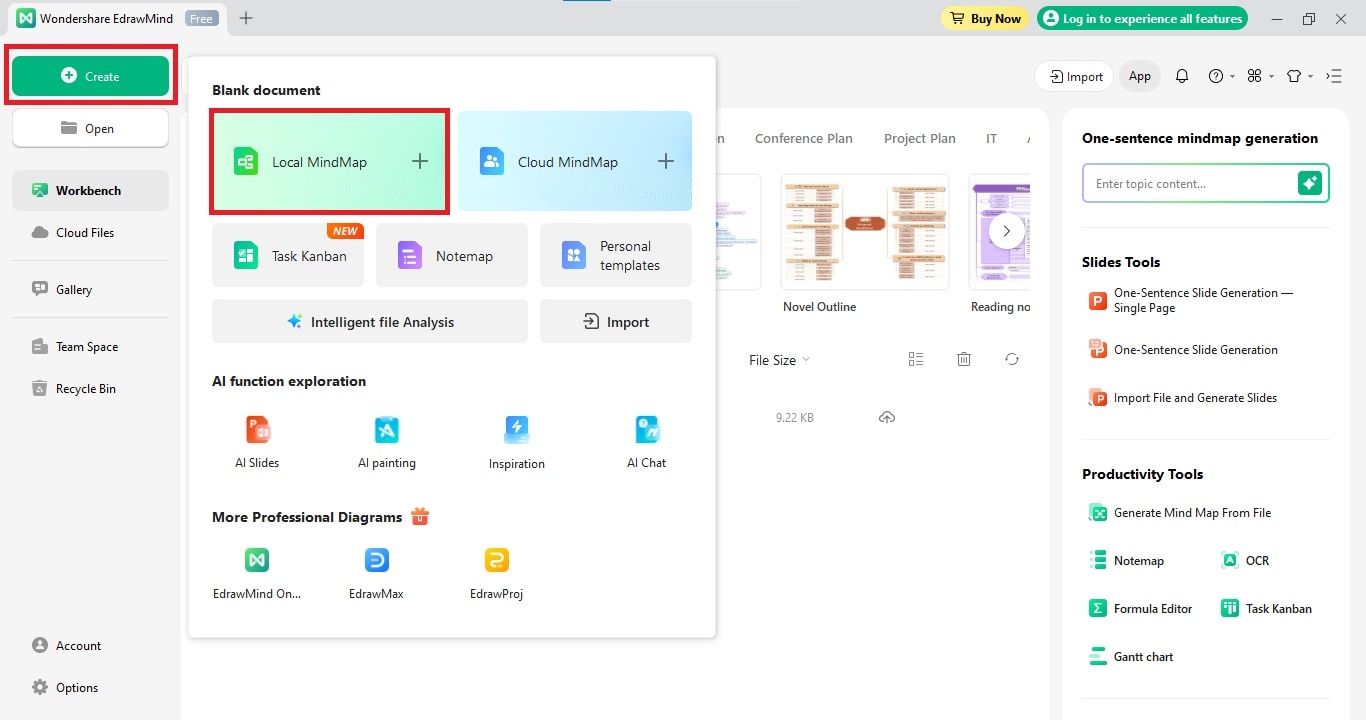
- At the home screen, click Create, then Local MindMap.
Step 2: Build Your Family Tree
In this step, we will add and remove topics as needed and edit text content.
- You can change text by double-clicking on a topic.
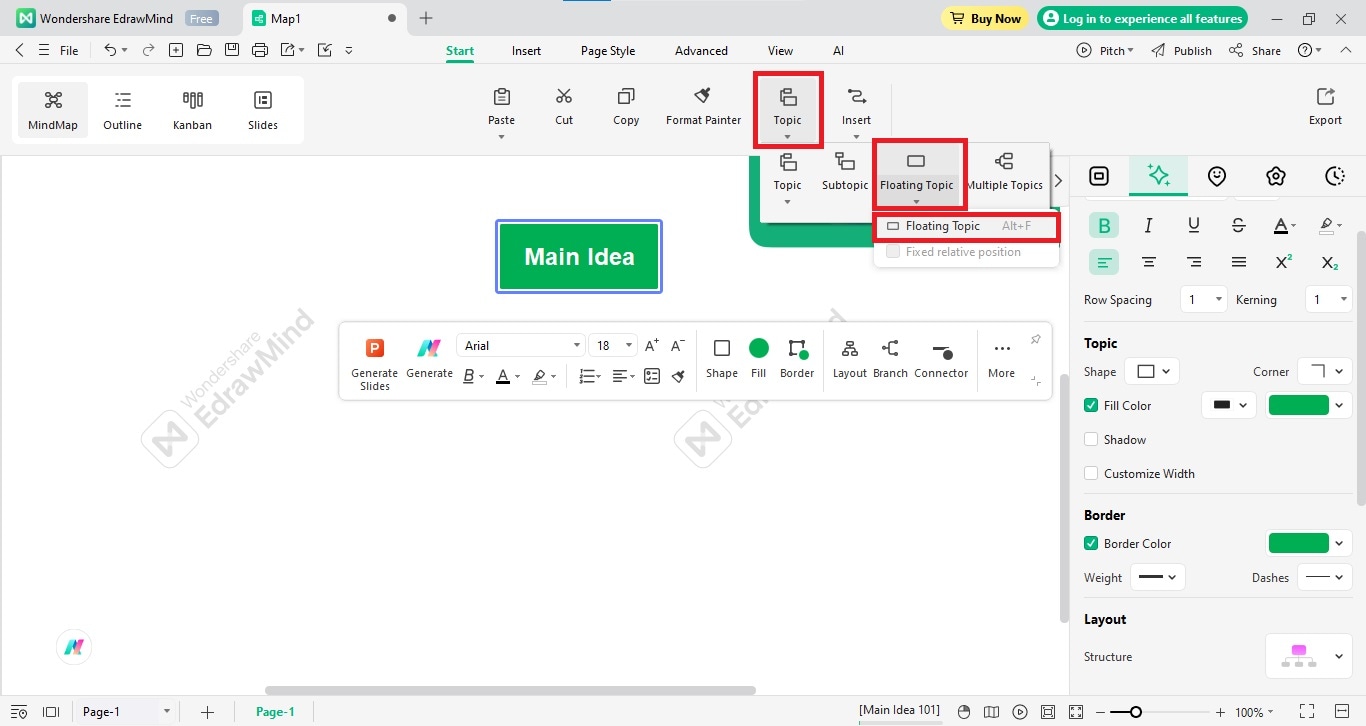
- For a more flexible structure, we will delete the existing subtopics and use floating topics. Select all the sub-nodes and hit Backspace or Delete.
- Now, press Alt+F or go to Topic > Floating Topic > Floating Topic, then click anywhere on the screen to add a floating topic.
Step 3: Connect Nodes
To connect nodes with each other,
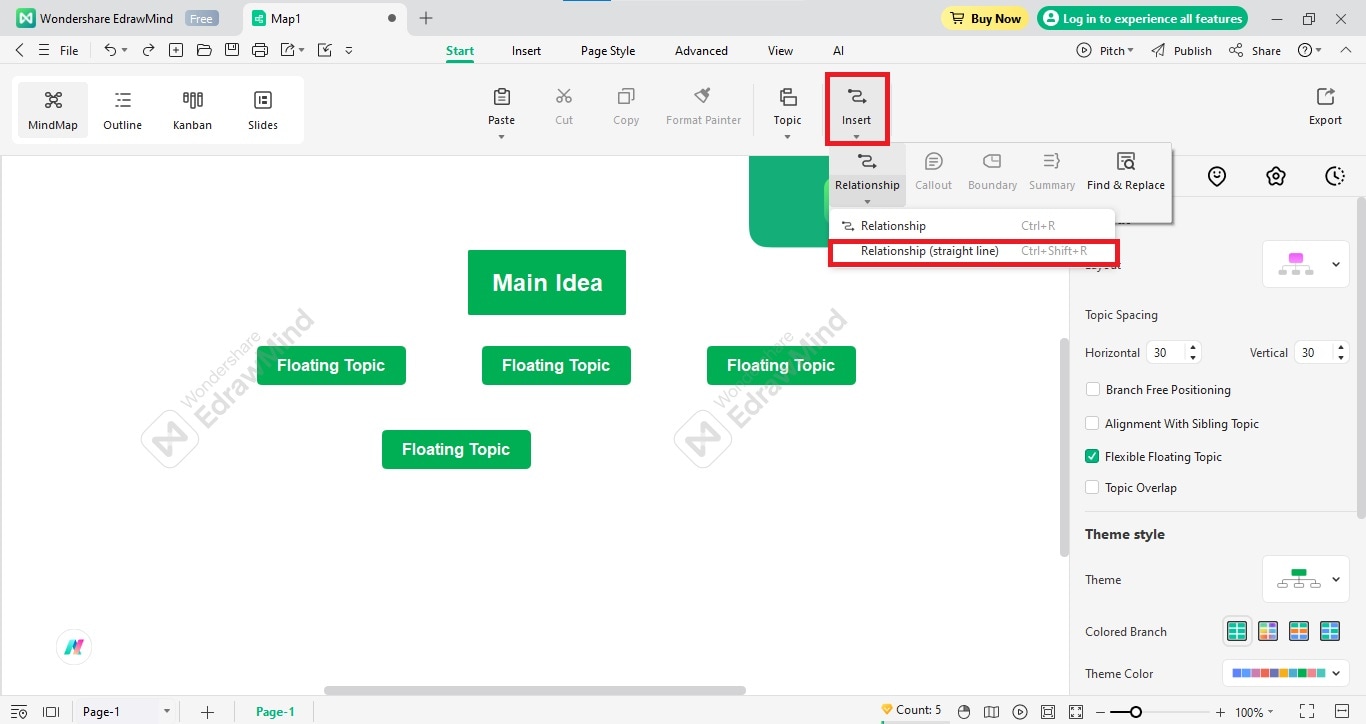
- Go to Insert > Relationship > Relationship (straight line).
- Click the first node and then the second node to connect both.
- You can customize the connector line from the hovering menu that appears when you left-click the relationship.
Step 3: Add Images
You can add pictures of your family members,
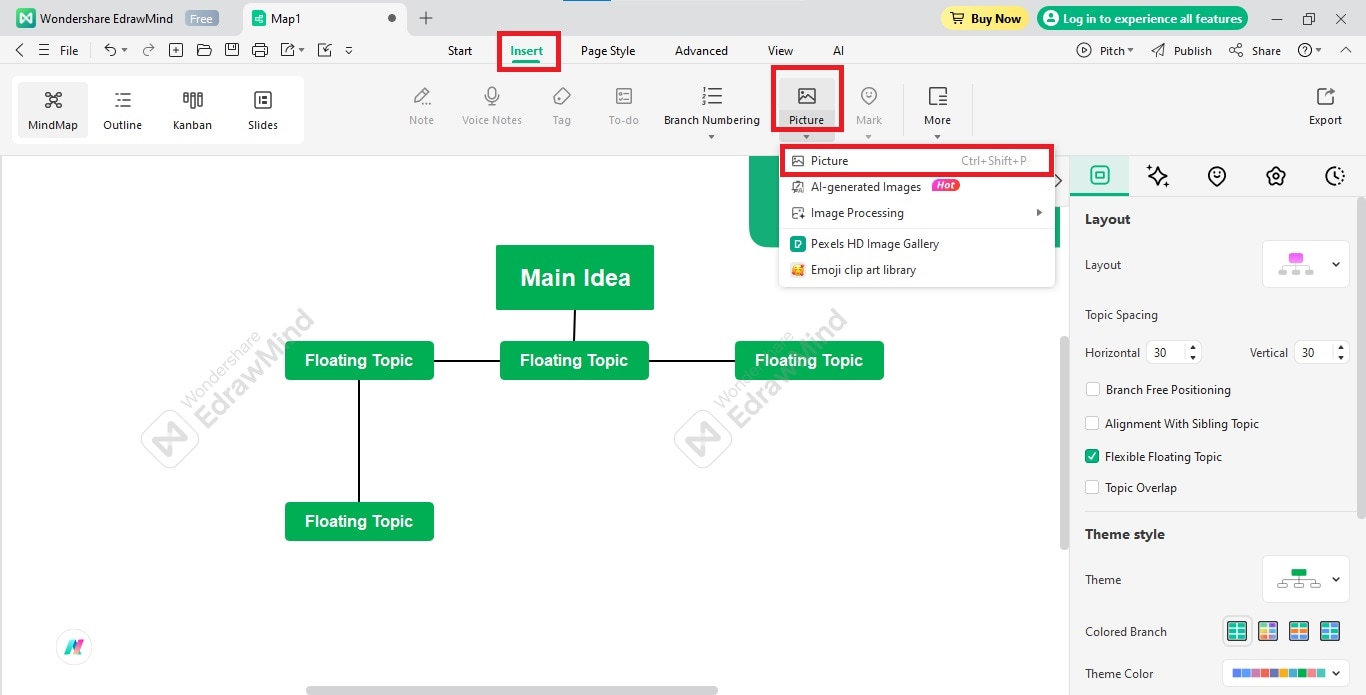
- Going to the Insert tab and clicking Picture > Picture.
- You can also copy and paste the image onto the canvas using Ctrl+V.
Bonus Step: Customize Image Shape
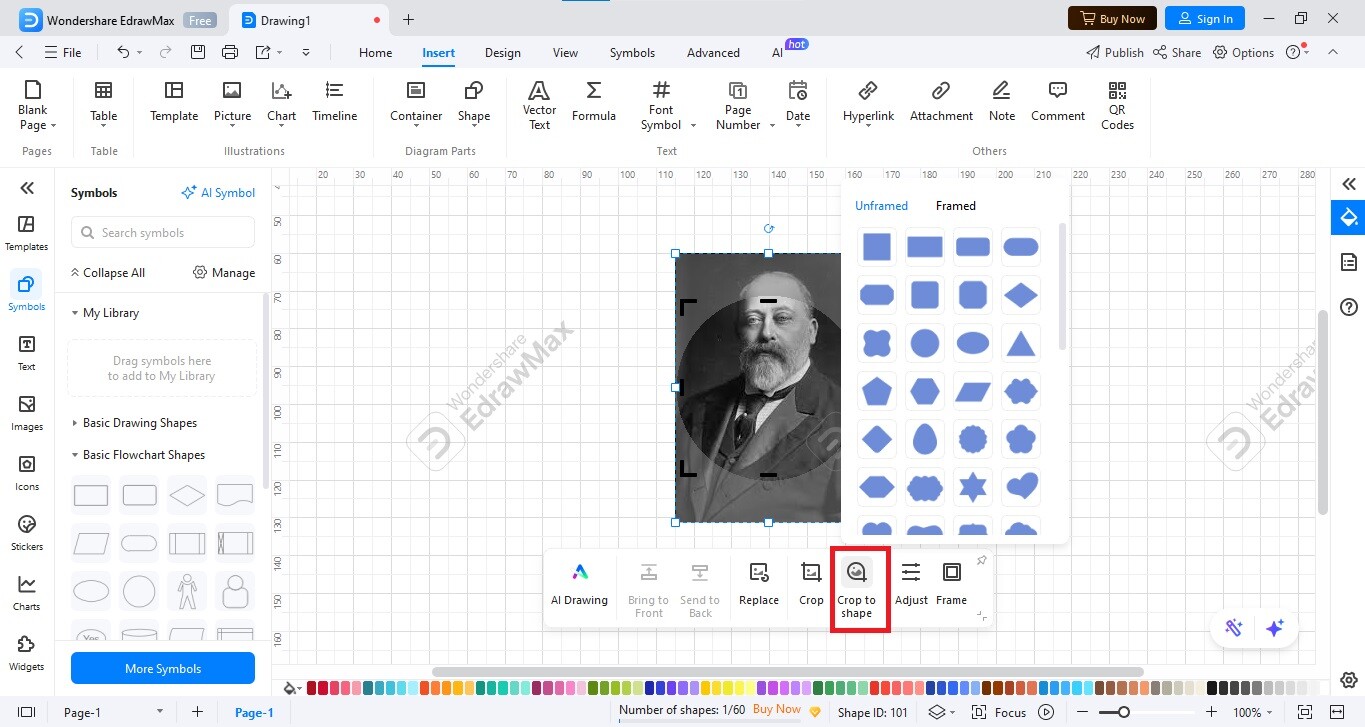
If you want to change the shape of your pictures, like the ones in Queen Victoria's family tree template,
- Start by pasting them into EdrawMax.
- Select the image and click Crop to shape.
- Choose a shape, then copy and paste the picture back into EdrawMind.
Step 4: Customize Topics
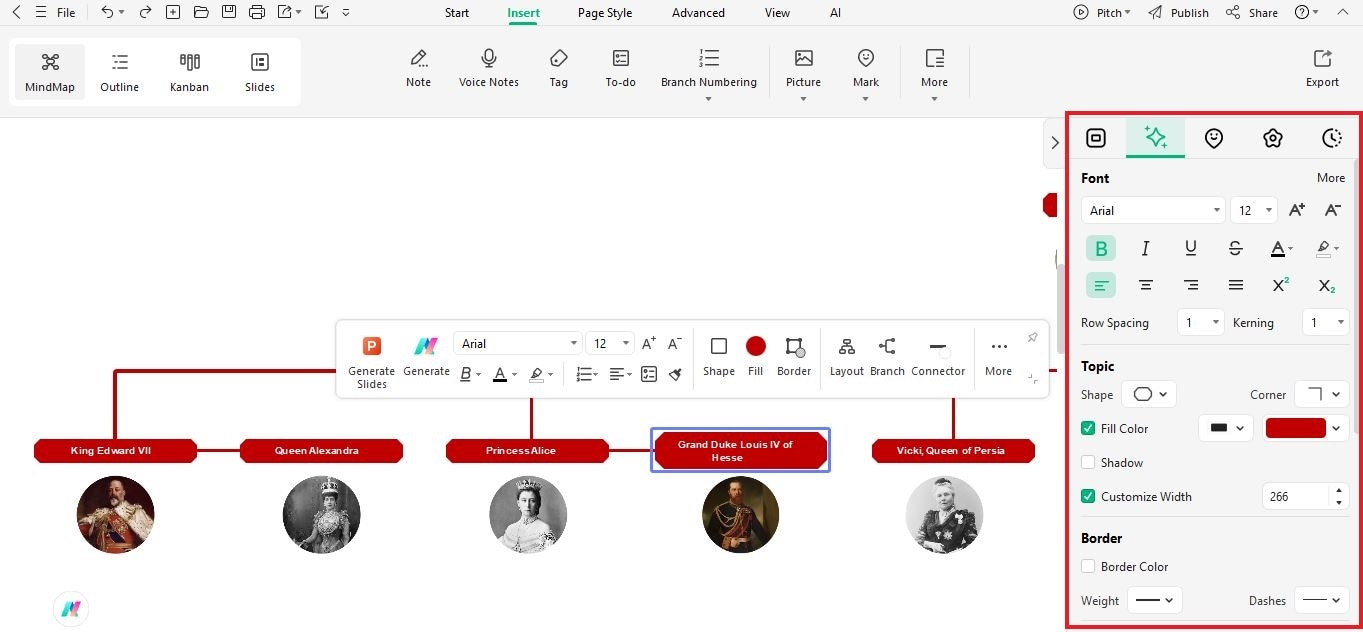
To customize topic styles, EdrawMind offers plenty of features.
- Left-clicking a node opens up a menu that lets you change shapes, colors, borders, and even text styles.
Step 5: Export the Diagram
Once you're happy with your design, it's time to download it.
- Click the Export button in the top-right corner and select a format.
- You can choose from JPG, PNG, PDF, SVG, and more. After selecting the format, click the green Export button.

Conclusion
This family tree shows how Queen Victoria's descendants have influenced the history and politics of different states. It also uncovers the roots of the present royal families across Europe. Want to understand your own heritage? Creating a family tree using EdrawMind can be a great place to start.
 EdrawMind
AppsEdrawMind Online
EdrawMind
AppsEdrawMind Online