


In this article
Malaysia is a Southeast Asian country. South of Thailand lies Peninsular Malaysia. Sabah and Sarawak are situated across the South China Sea and form part of the island.
The small country of Brunei and the Kalimantan, which is an Indonesian part of the island, are bordered by them.
Malaysia's environmental highlights are the mangrove swamps, low plains, sandy beaches, and mountains. Rainforest covers around 59-60% of Peninsular Malaysia.
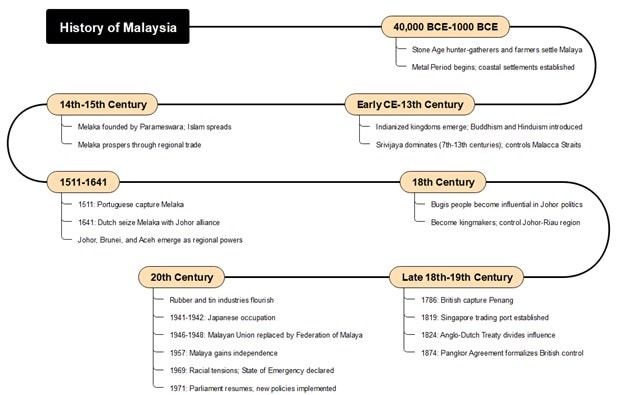


History of Malaysia
Below are the 14 main historical stages of Malaysia.
The Early History
The first inhabitants of Malaya (now Malaysia) were Stone Age hunter-gatherers. They showed up around 40,000-50,000 years ago. Later, farmers of the Stone Age came to Malaya and uprooted them.
The farmers brought the burn and slash agriculture practices. They got a region free from the rainforest by burning and growing crops. Following a couple of years, the land was worn out, and the farmers would clear another area.
However, within a few years, the old territory would be covered in vegetation and would become fertile once more.
Metal Period
After 1,000 BCE, they made tools from iron and bronze, and they settled along the coast and streams. They lived mostly by agriculture or fishing. From around the early centuries CE, Indianized kingdoms and trading polities emerged along the shores.
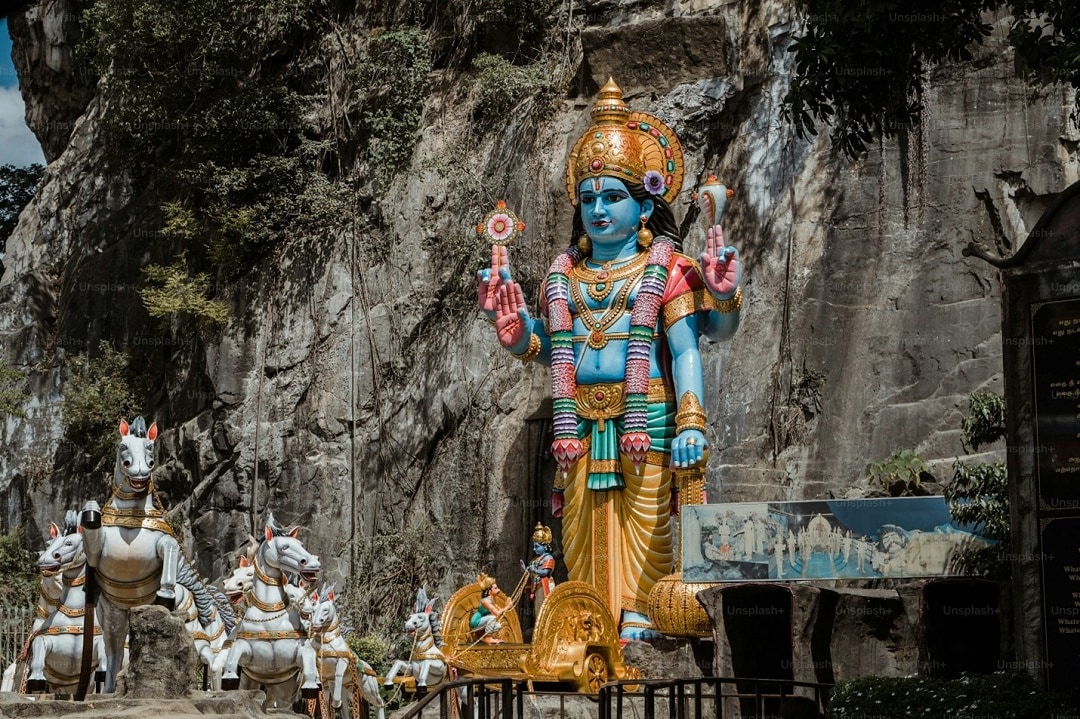
The Malays turned out to be profoundly cultivated. Malayan progress was vigorously affected by India. The religions of Buddhism and Hinduism were likewise brought into Malaya around then.
Srivijaya Period
In the 7th and 8th centuries, the Srivijaya rose to dominate a bit of Malaya. It was a kingdom in Sumatra with Palembang as its capital. They controlled the coast of Java, part of Borneo, and the Malay Peninsula.
Anyway, Srivijayan dominated only the coast. The success of Srivijaya depended on trade with India and China. Srivijaya rules the fundamental route between the Indian Ocean and the South China Sea, known as the Malacca Straits.
Thus, it grew powerful and rich. Srivijaya ruled until around the 13th century. At that point, its force declined, and by the 13th century, Srivijaya had completely lost power.
Melaka Period
Later, Melaka came into the rule of Malaya. A man named Parameswara established it at the end of the 14th century. He started to rule the Island of Singapore, called Temasek. However, he was overthrown by the Thais.
Parameswara escaped with certain devotees and settled by a stream called Bertram.
It is heard that once he was chasing a mouse, a deer kicked one of his dogs. Parameswara, accepting this as a sign, chose to establish a settlement there.
Since he was remaining under a tree in Melaka, he named it Melaka. Parameswara changed over to Islam, which initially arrived in the region during the 8th century. It made numerous conversions between the 14th and 16th centuries.
Portuguese Expansion
During the 15th century, the new settlement succeeded and prospered. The sailing of Indian ships and trade with the Chinese and Arabs were the reasons for power and wealth.
In 1511, the Portuguese noticed and launched an expedition led by Alfonso de Albuquerque to seize it. Elements of the Melaka ruling elite and polity fled and later helped establish successor states such as Johor.
Johor and the Dutch Period
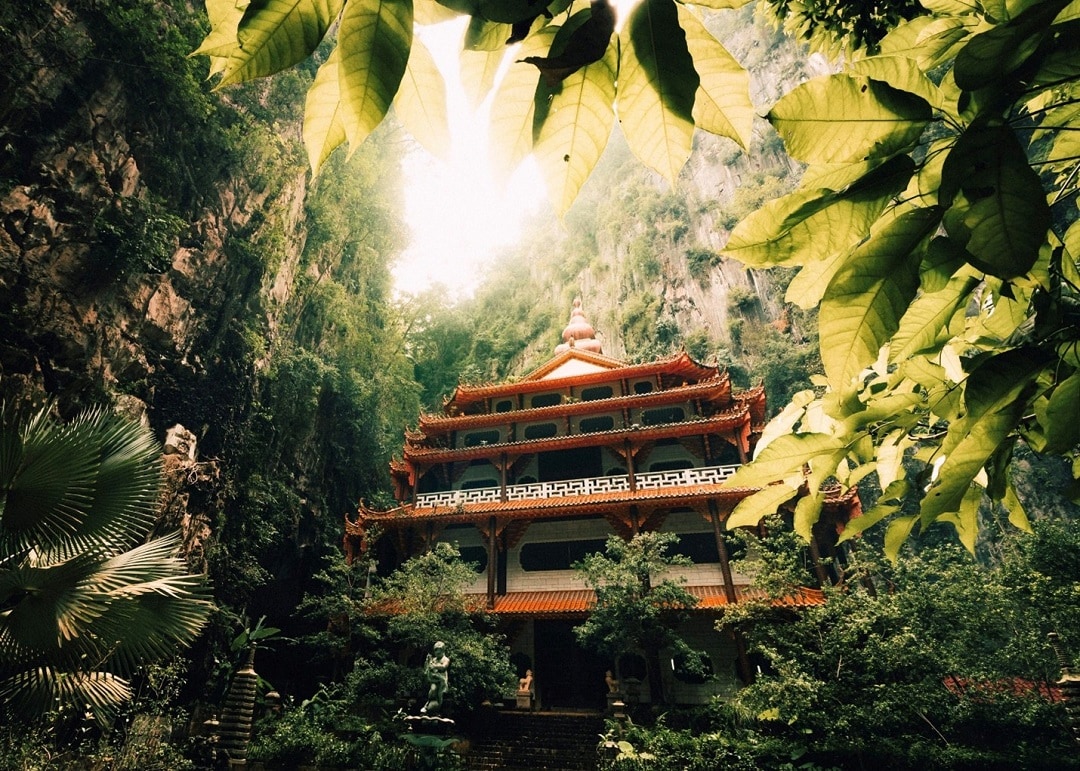
Johor became one of the powerful trading states. In the mid-16th century, Johor made a few unsuccessful attempts to recover Melaka. In the mid-17th century, they made an alliance with the Dutch against the Portuguese.
After two failed attempts, in 1641, the Dutch laid an attack on Melaka once more with the help of Johor. After a terrible siege, Melaka finally fell to the Dutch. Another rich and ground-breaking state in Sumatra was Aceh.
The Sultanate of Aceh and Brunei
The Sultanate of Aceh reached its peak in the early 17th century and then faced decline. Brunei was another incredible state. Effectively solid in the 15th century, it developed further in the 16th century after the Portuguese captured Melaka.
The force of Brunei was at its top in the 16th century. Brunei was a major regional power from the 15th to 17th centuries and retained influence in parts of Borneo and even around Southern Philippines (Mindanao).
In the 17th century, the Dutch drove out the remaining Europeans. For the rest of the 17th century, the district was ruled by the two companions. Later, in 1699, Sultan Mahmud was killed, signaling a decline in Johor authority.
Bugis Period
In the 18th century, a new power emerged, the Bugis people, who originated from Sulawesi. They started to settle in the region of Johor at the end of the 17th century. And soon, they became powerful.
In 1717, Raja Kecil claimed that he was the son of Sultan Mahmud and seized Johor's capital. The kingdom of Abu Jalil was overthrown. After setting up a rival court against Raja Kecil, Abu Jalil was murdered.
The Bugis turned on Raja Kecil, seizing the capital and announcing Sulaiman, the son of Abu Jalil, as the ruler. Since then, Bugis had been highly influential as kingmakers in Johor-Riau politics and effectively had control.
British Colonialism
In the late 18th century, the British East India Company exchanged with and controlled a part of India. Around then, they started searching for a base in Malaya. In 1786, Penang was captured, and the British established Georgetown under Light.
In 1800, they took over the Province of Wellesley. In 1819, a British trading port was established by Sir Stamford Raffles at Singapore.
Under the Anglo-Dutch Treaty of 1824, the Dutch and British agreed to spheres of influence, which effectively recognized British control over Malacca and the Malay Peninsula, while the Dutch controlled the East Indies.
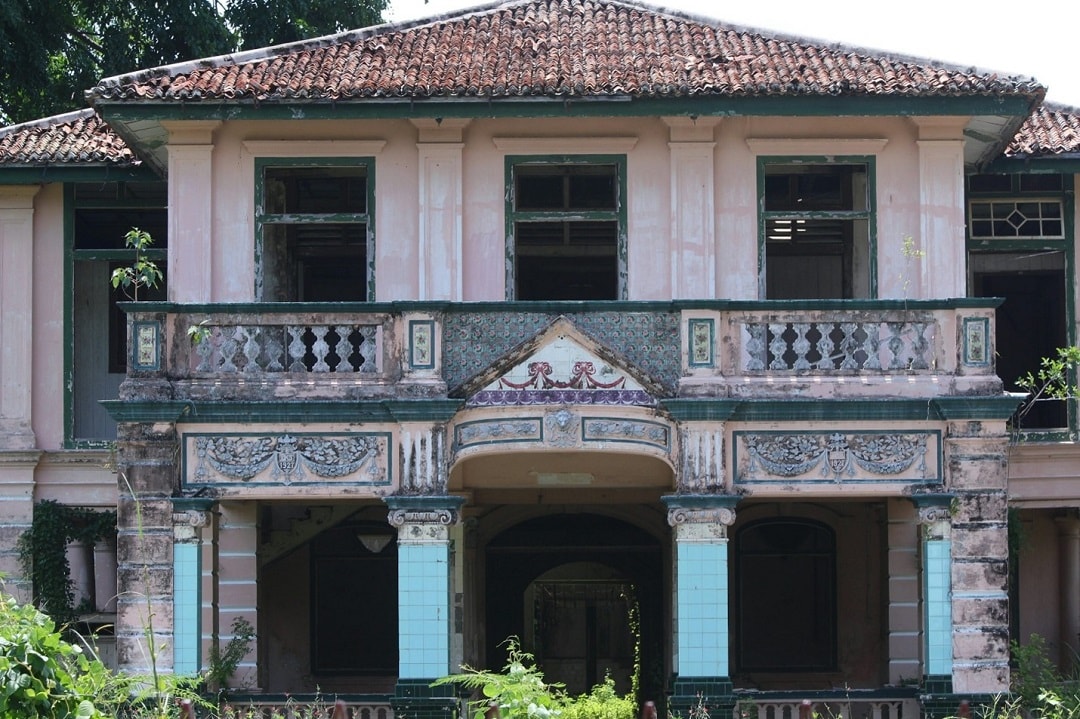
Control of Sarawak by the Brooke family began with James Brooke in the 1840s; he was granted governorship of Sarawak by the Sultan of Brunei in 1841, and the Brooke dynasty administered Sarawak as a personal kingdom.
Treaty of Pangkor
In 1853, there was a boom in tin exports as the British removed the duties on imports of tin from Malaya. In 1869, the opening of the Suez Canal and the advent of steamships further boosted business.
In 1871, the Sultan of Perak died, and there was a fight about who should succeed him. Moreover, China's secret societies argued about who might control the tin mines. It disrupted the tin supplies to Britain.
So, Raja Abdullah, who claimed to be the rightful heir to the Sultan, reached an agreement with the British known as the Pangkor Agreement. The British perceived Abdullah as the Sultan of Perak.
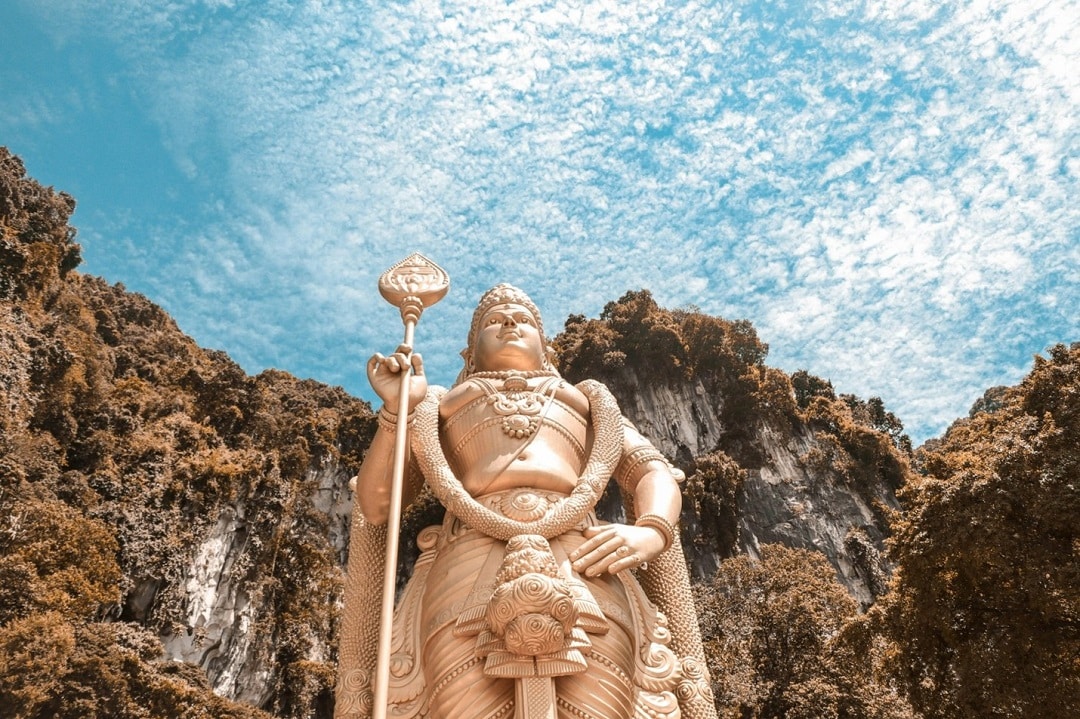
The 1874 Pangkor Agreement formalized British advisory influence in Perak and is widely regarded as the start of formal British political intervention in the Malay states.
British Malaya Period
The British slowly expanded their rule over Malaya through treaties, protectorates, and administration. In the early 20th century, the British established Residents in the Malay states.
In the early 19th century, Johor formally acceded and went under British advisory influence.
In the 20th century, the rubber industry grew in Malaya. The Malayan tin industry additionally succeeded, and an oil industry started in Singapore. During the 1920s, the Malayan economy was affluent; however, in the 1930s, during the depression, trade fell.
Japanese Rule in Malaya
In 1941, the Japanese attacked the Malay Peninsula, and they rapidly assaulted it. In 1942, the last British soldiers surrendered across the straits to Singapore Island.
This was a military tragedy for the British. In the meantime, Japanese soldiers attacked Borneo.
They caught Kuching in 1941 and Jesselton in 1942.
Malaya’s Independence
After World War II, the British proposed the Malayan Union (1946), which met strong Malay opposition and was replaced by the Federation of Malaya in 1948. Later, the Federation of Malaya was established in 1948.
As Malayan nationalism was growing, Kesatuan Melayu Singapura was formed in 1926. Others immediately followed it. In 1946, Malay associations consolidated to frame the Pertubuhan Kebangsaan Melayu Bersatu.
The Malayan Communist Party was established in 1930. In 1948, they started to assault European estate managers, forcing Britain to declare the 1948 Emergency. Socialist action declined after 1949 when the British parliament guaranteed independence.
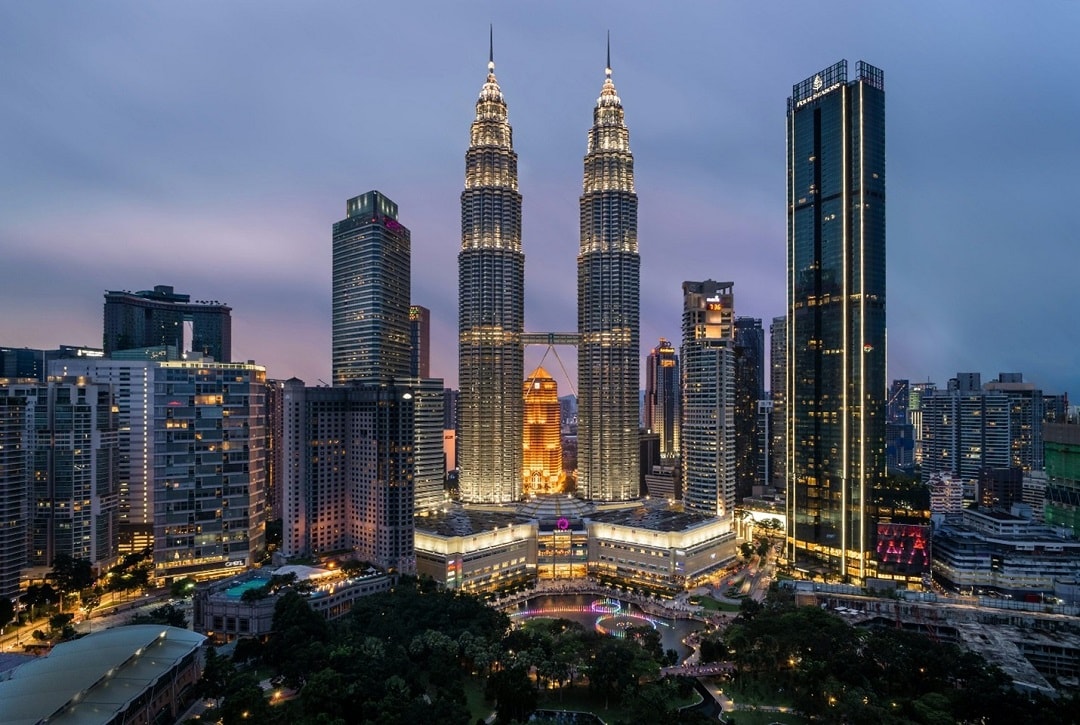
In 1955, the Reid Commission was formed to set up a constitution for Malaya. Malaya became independent in 1957. However, war continued until the ‘60s.
State of Emergency
In the 1960s, there was tension between non-Malays and Malays. It ended in viciousness after an election in 1969. The opposition party acquired seats while the governing party lost seats. The different sides got into a fight.
Following two days of brutality, the government announced a state of emergency, and parliament was suspended. Gradually, the parliament was resumed in 1971. The Malaysian government at that point embraced another effective policy.
Create a Timeline To Understand History Better
If you’re serious about understanding Malaysia’s long and fascinating history, making a timeline is one of the best ways to start. The country’s past is filled with kingdoms, colonization, and independence movements.
Laying them out in order helps you see how everything connects.
Benefits of Creating a Timeline
Aside from the obvious advantage of a timeline — that is, being able to see Malaysia’s entire history at a glance, there are a few other benefits that may surprise you.
- Improves understanding of cause and effect. When you put events in order, you start noticing patterns. You’ll see how Srivijaya’s fall opened the way for Melaka’s rise, or how the British came to dominate trade after the Dutch period.
- Makes long histories easier to digest. Malaysia’s story stretches from prehistoric settlers to modern independence. A timeline helps you break that down into smaller, easier sections.
- Keeps focus on the key events. History can be scattered. There’s trade, religion, politics — all happening at once. A timeline keeps you anchored to what truly shaped the nation.
- Provides solid review material. Whether you’re a student or just curious, a timeline is a great tool to refresh your memory quickly.
These benefits work best when you make the timeline yourself. If you let an AI tool do it for you, you get a different set of advantages, which are mainly convenience and speed.
How To Make a Timeline
Now, you can try making your own timeline of Malaysia’s history. You don’t have to include everything from the Stone Age to today. Start small and build up as you go.
Here’s how you can do it:
Step 1: Choose the first part of Malaysian history you want to study.
In this example, try to focus on Melaka’s Sultanate period (from 1400 to 1511).
 Try the app & get 500 free AI tokens



Step 2: Next, add in the main nodes of the period.
For Melaka, this could include key periods. This will serve as the main part of the timeline.
Step 3: Add subtopics under each node.
This should include the underlying details for the key events.
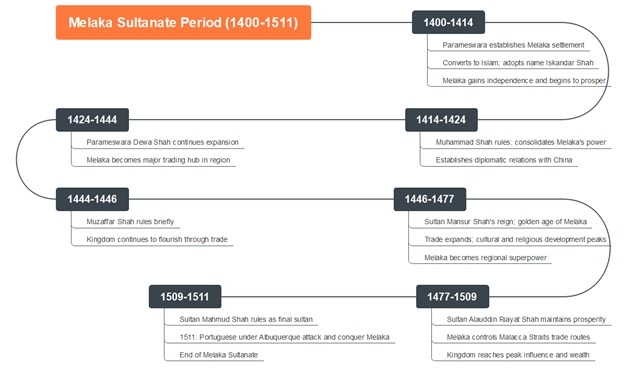
Step 4: Lastly, try to add pictures that are relevant to the timeline’s content.
For example, you can add photos of the rulers, ships, boats, treaties, or more.

Tool Recommendations
It’s important to understand that making a timeline should be easy, especially when you use diagramming tools like Wondershare EdrawMind. Try exploring those tools with creative and AI features.
Conclusion
During the 1970s, 1980s, and 1990s, Malaysia transformed exclusively from being a poor, agricultural country to a modern, industrialized, and rich one. The way of life of the Malaysian people rose significantly.
Today, Malaysia is a prosperous country. The population in Malaysia in 2020 was 32 million.
 EdrawMind
AppsEdrawMind Online
EdrawMind
AppsEdrawMind Online