About this How to Study Law Template
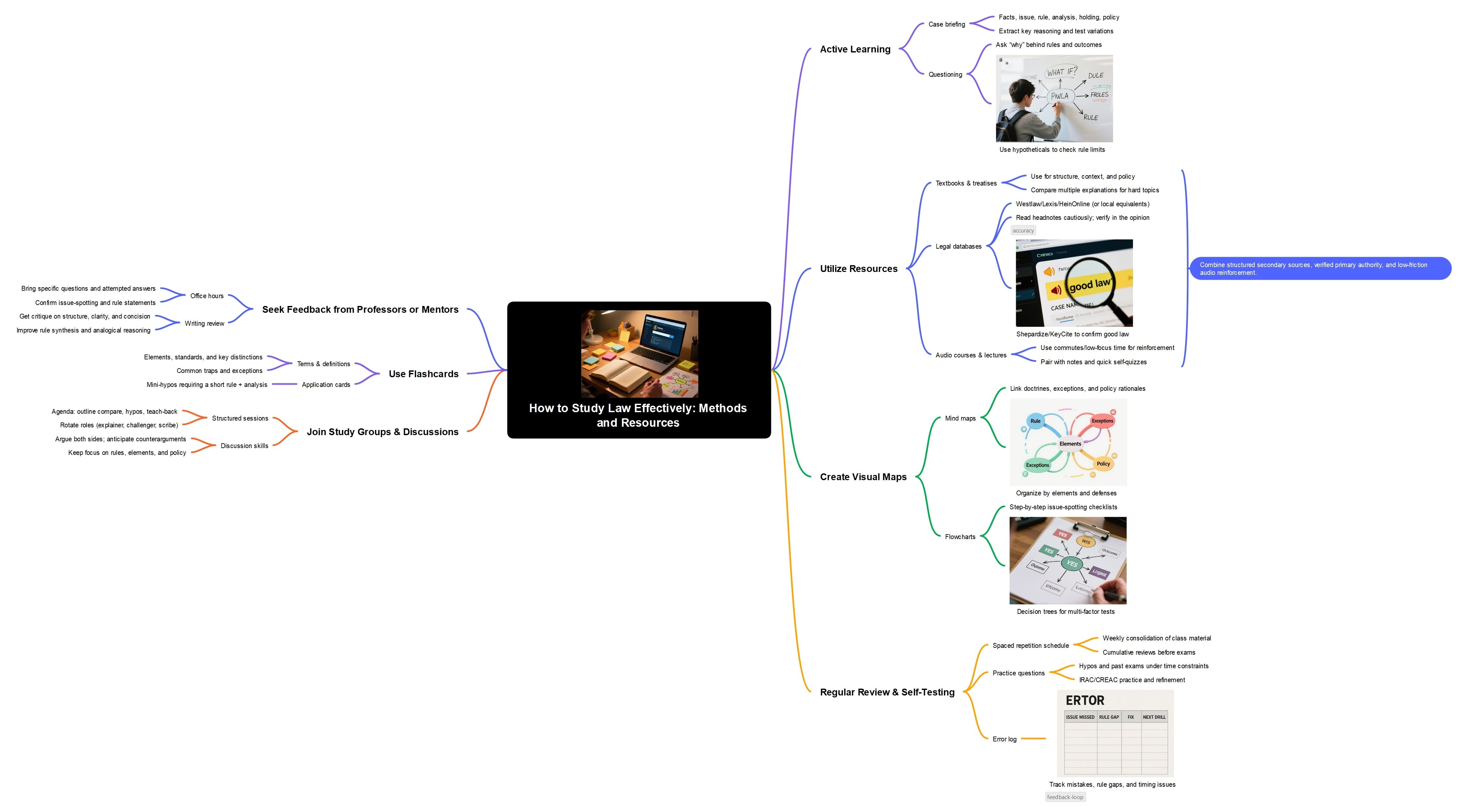
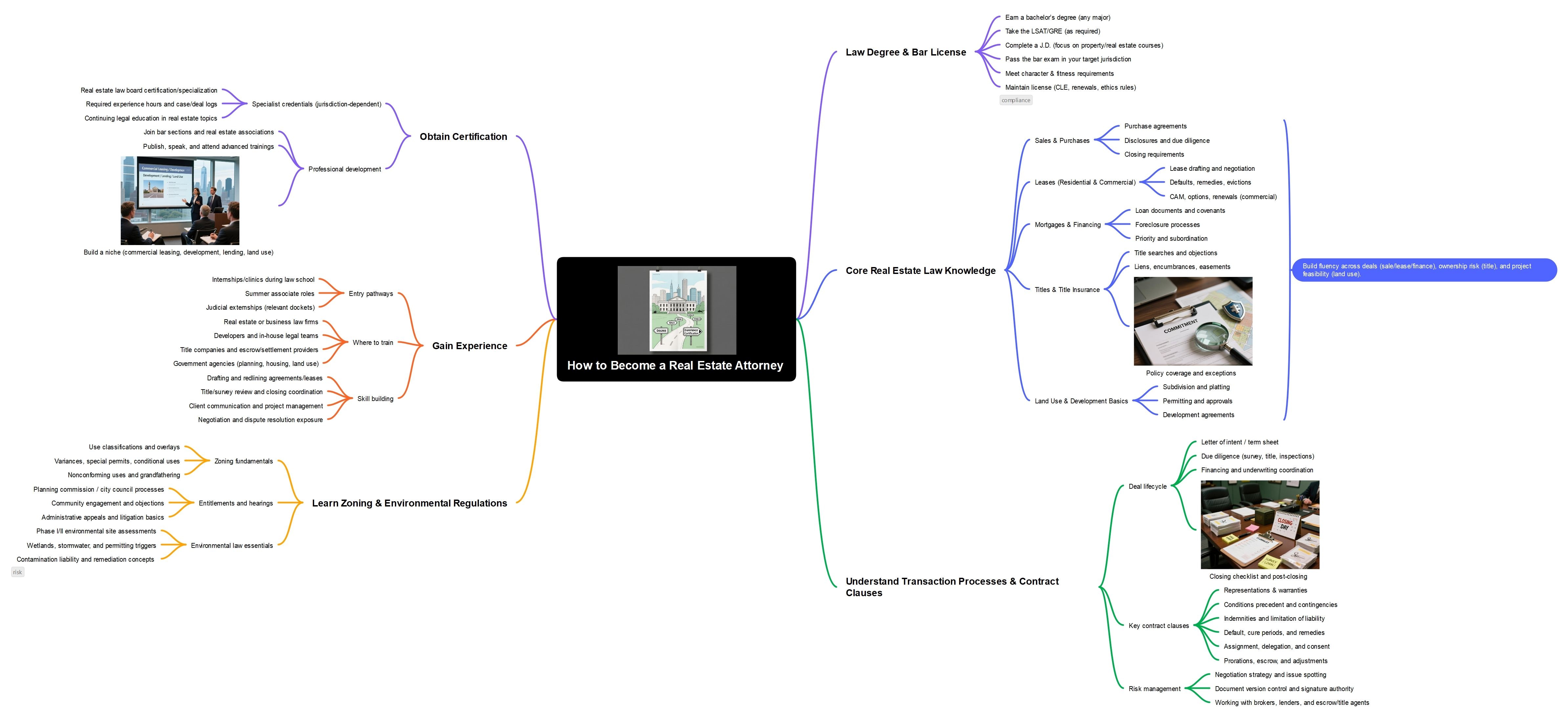
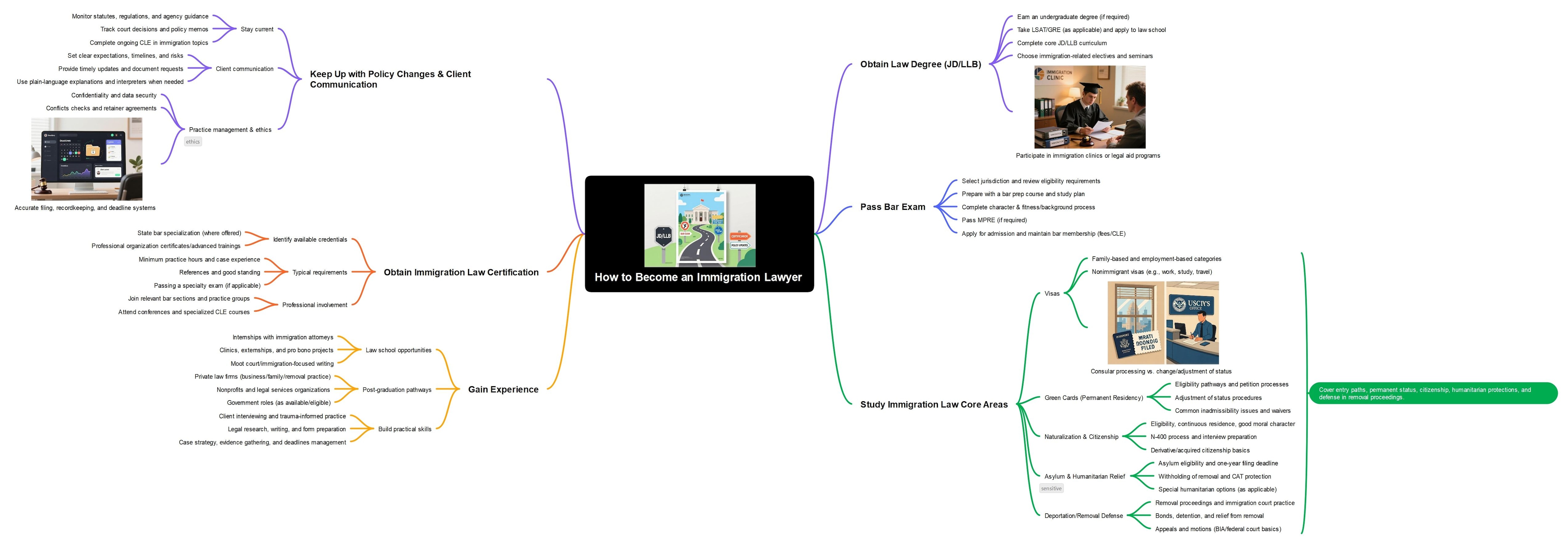
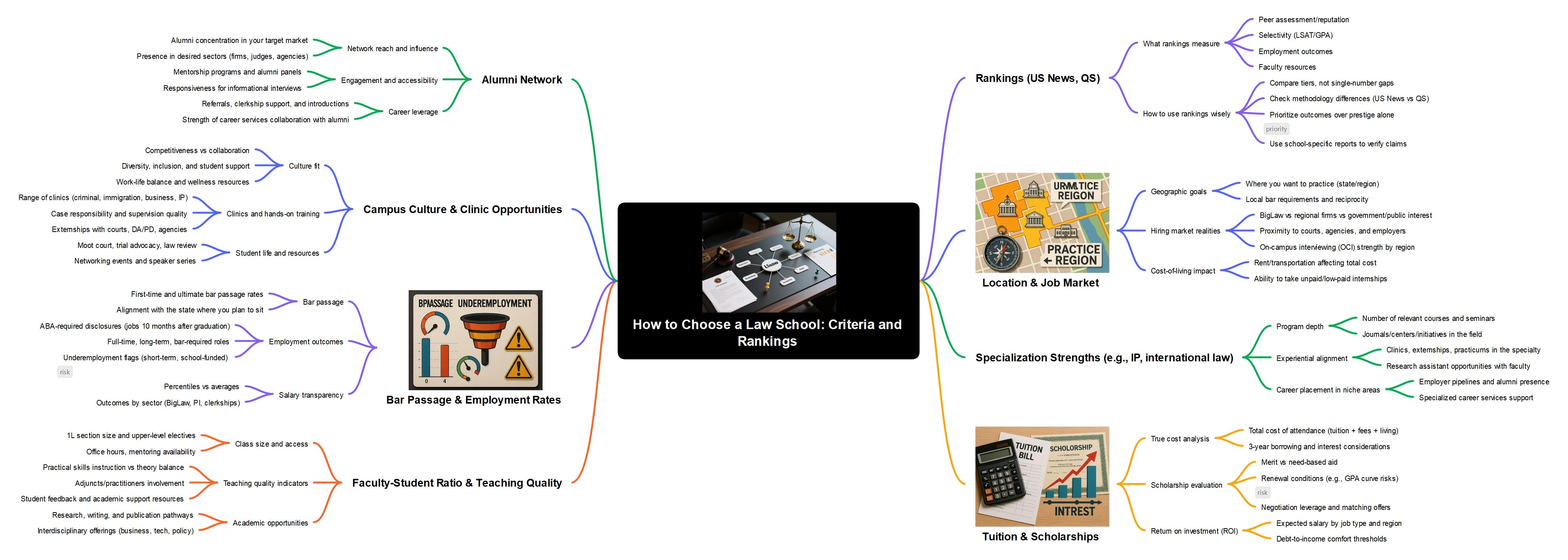
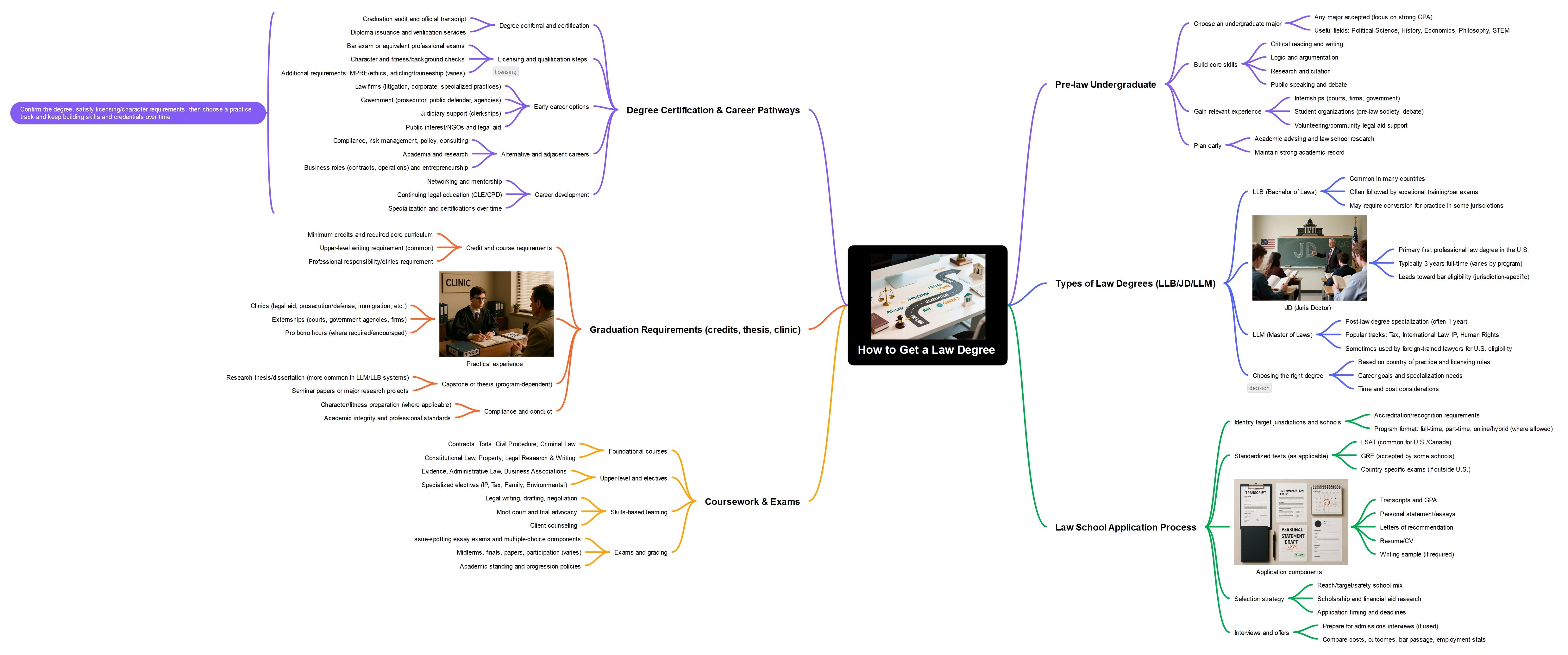
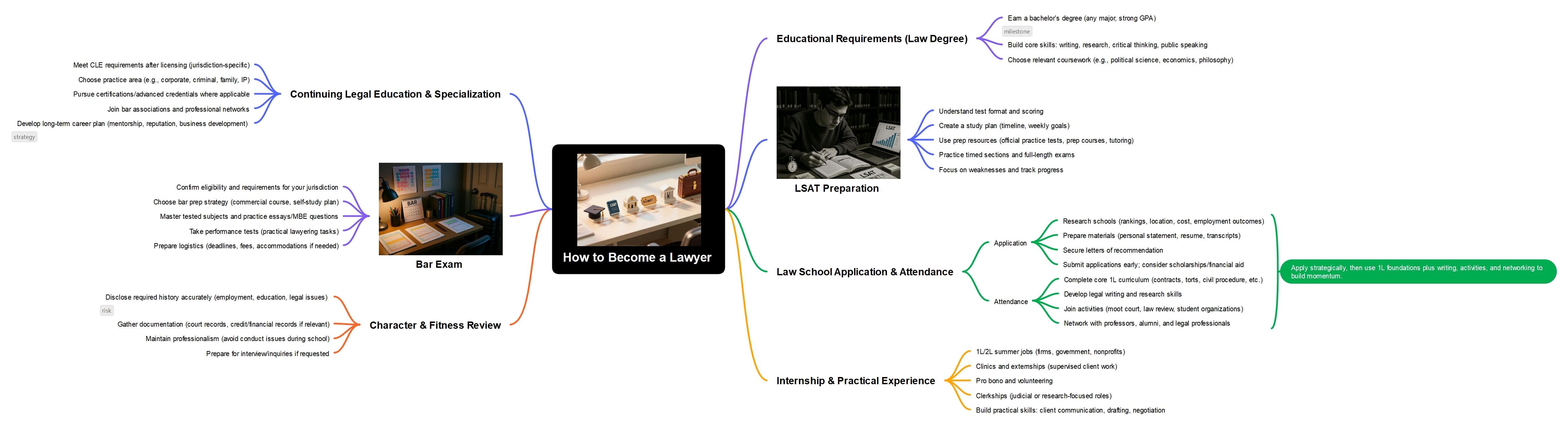
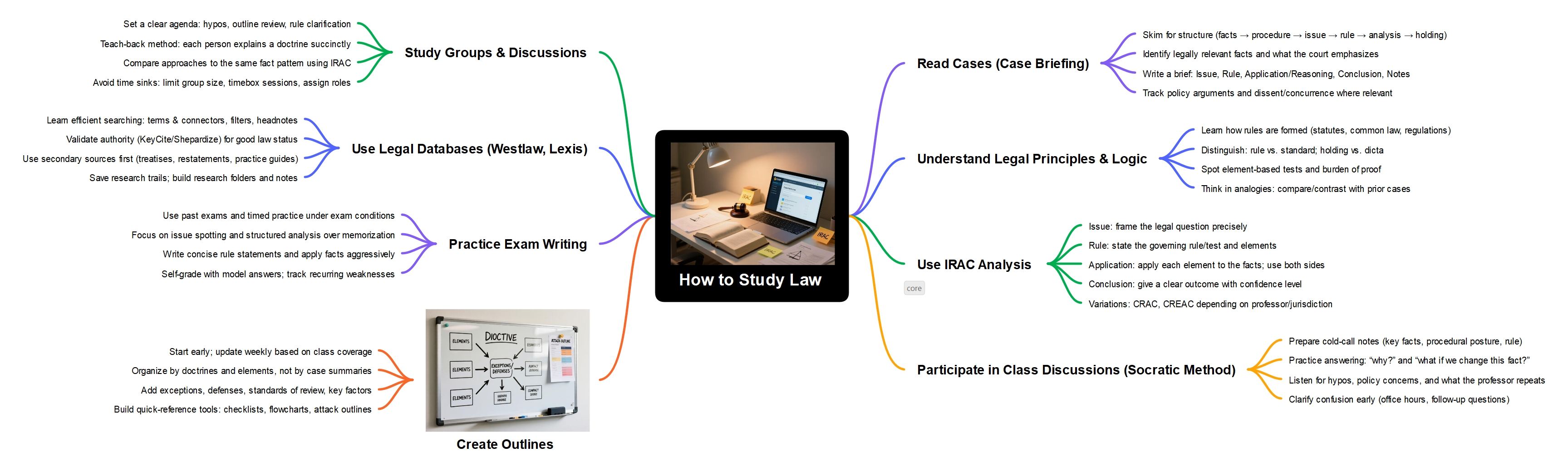
This template is structured as a general legal-study framework. It helps users move from reading cases into identifying relevant facts, understanding legal principles, and separating different kinds of rules and reasoning inside the law.
Read Cases (Case Briefing)
This branch focuses on the starting point of legal study: reading cases with structure. It helps users treat each case as an analytical exercise rather than as a block of text to memorize.
Skim for Structure
This section highlights the need to locate the basic architecture of a case quickly, including facts, issue, and emphasis. It helps users read with purpose and avoid being overwhelmed by detail too early.
Identify Legally Relevant Facts
This branch focuses on what the court actually cares about in the dispute. It is useful because strong legal study depends on seeing which facts matter to reasoning and which do not.
Understand Legal Principles and Logic
This section turns reading into doctrine. It helps users trace how rules are formed and how courts move from facts toward conclusions within a legal framework.
Learn How Rules Are Formed
This branch captures the sources of law behind the cases, including statutes, common law, and regulations. It helps users see that legal reasoning sits inside broader rule-creation systems.
Distinguish Rule vs. Standard; Holding vs. Dicta
This final section focuses on the analytical distinctions that make legal reading more precise. It helps users avoid flattening all legal statements into the same kind of authority.
FAQs about this Template
-
What is law?
Law is a system of rules, principles, and institutions used to regulate behavior, resolve disputes, and organize rights and responsibilities in society. Studying law usually involves learning legal concepts, reading cases and statutes, and understanding how legal rules are interpreted and applied in different contexts.
-
How do you study law effectively?
To study law effectively, start with the basic legal concepts, then build understanding through statutes, cases, issue spotting, and structured notes. It also helps to compare related doctrines, practice legal reasoning in writing, and review regularly so rules and interpretations become easier to recall and apply.
-
Why does studying law matter?
Studying law matters because legal rules shape business, public institutions, personal rights, and everyday decision-making. A strong understanding of law improves analysis, argument, and judgment, whether someone plans to become a legal professional or simply wants to understand how legal systems work in practice.
-
What’s the difference between civil law and criminal law?
Civil law usually focuses on private disputes and remedies, while criminal law focuses on offenses against the state and possible punishment. Comparing these two areas is one of the fastest ways for beginners to understand how legal purpose, procedure, and outcomes can change across different parts of the legal system.