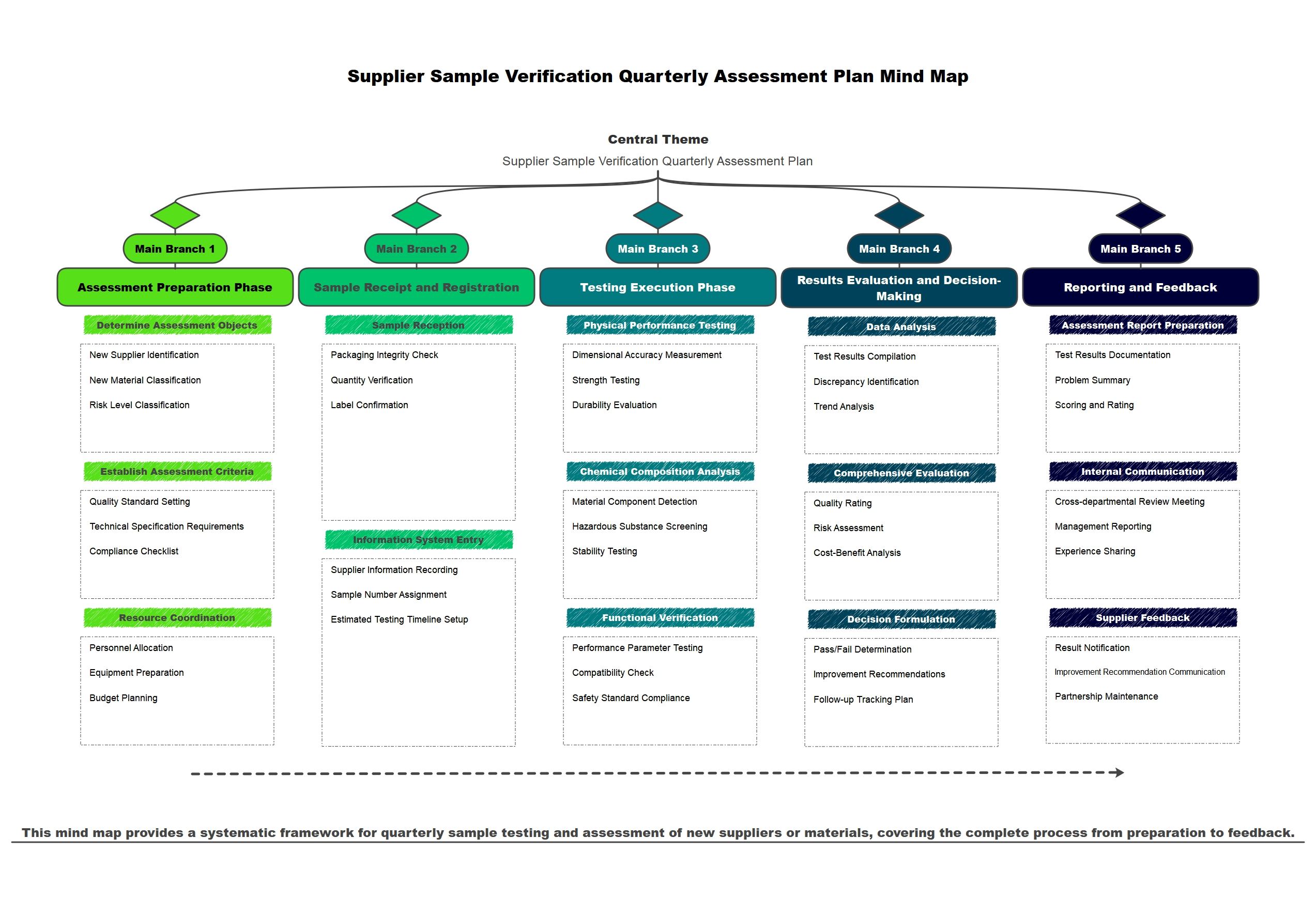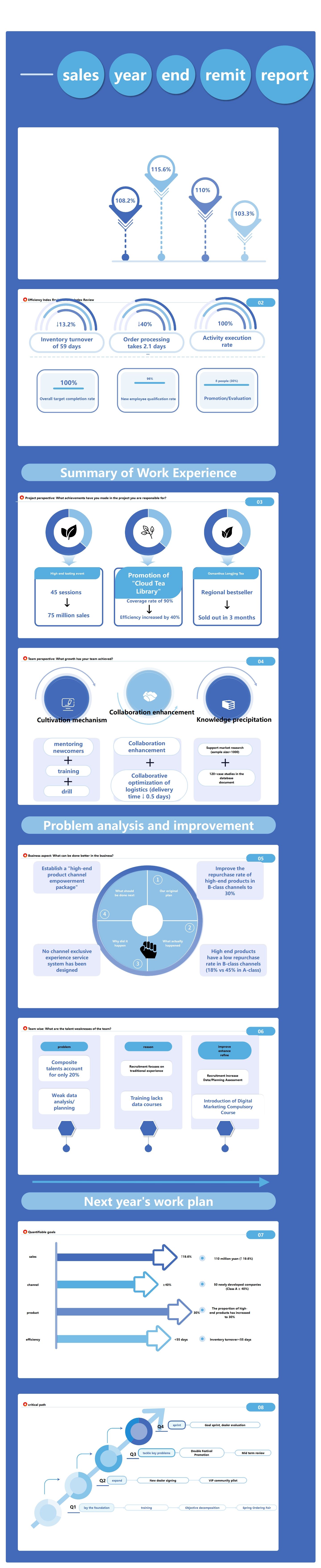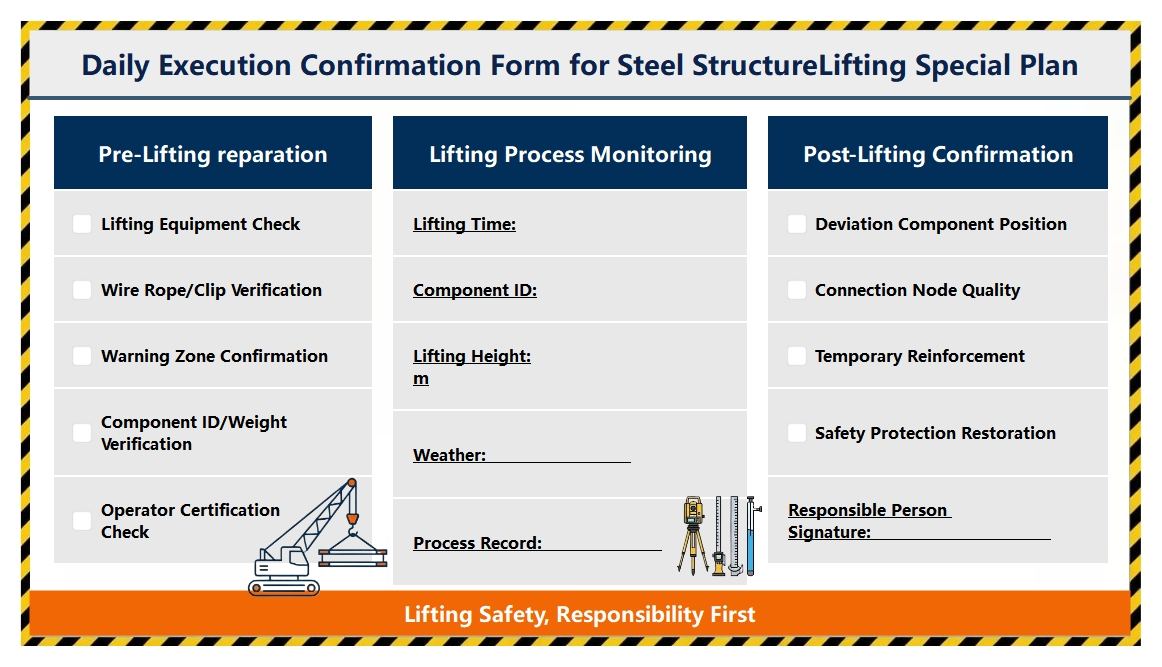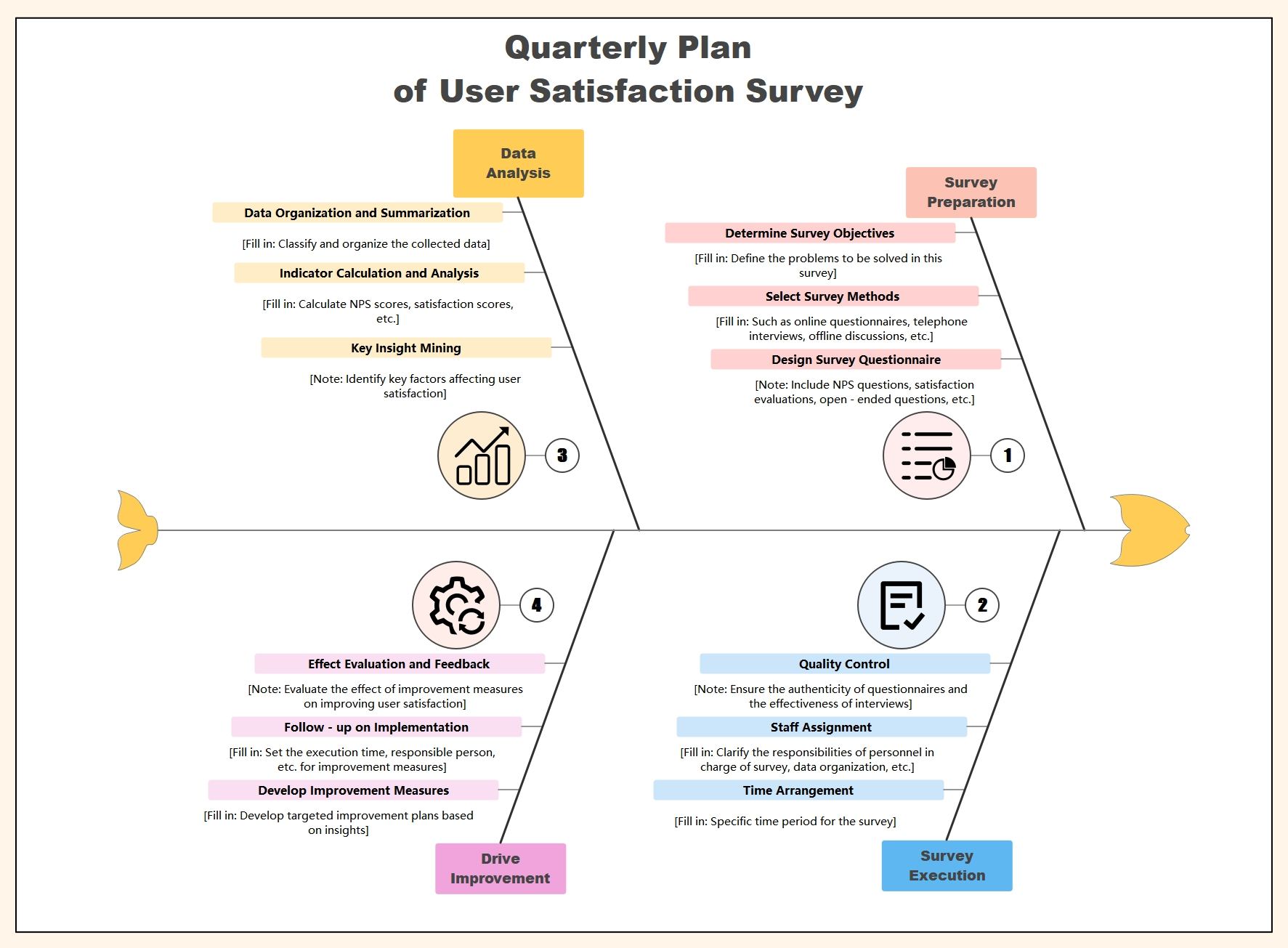
About this Weekly Work Planner 2026 Template
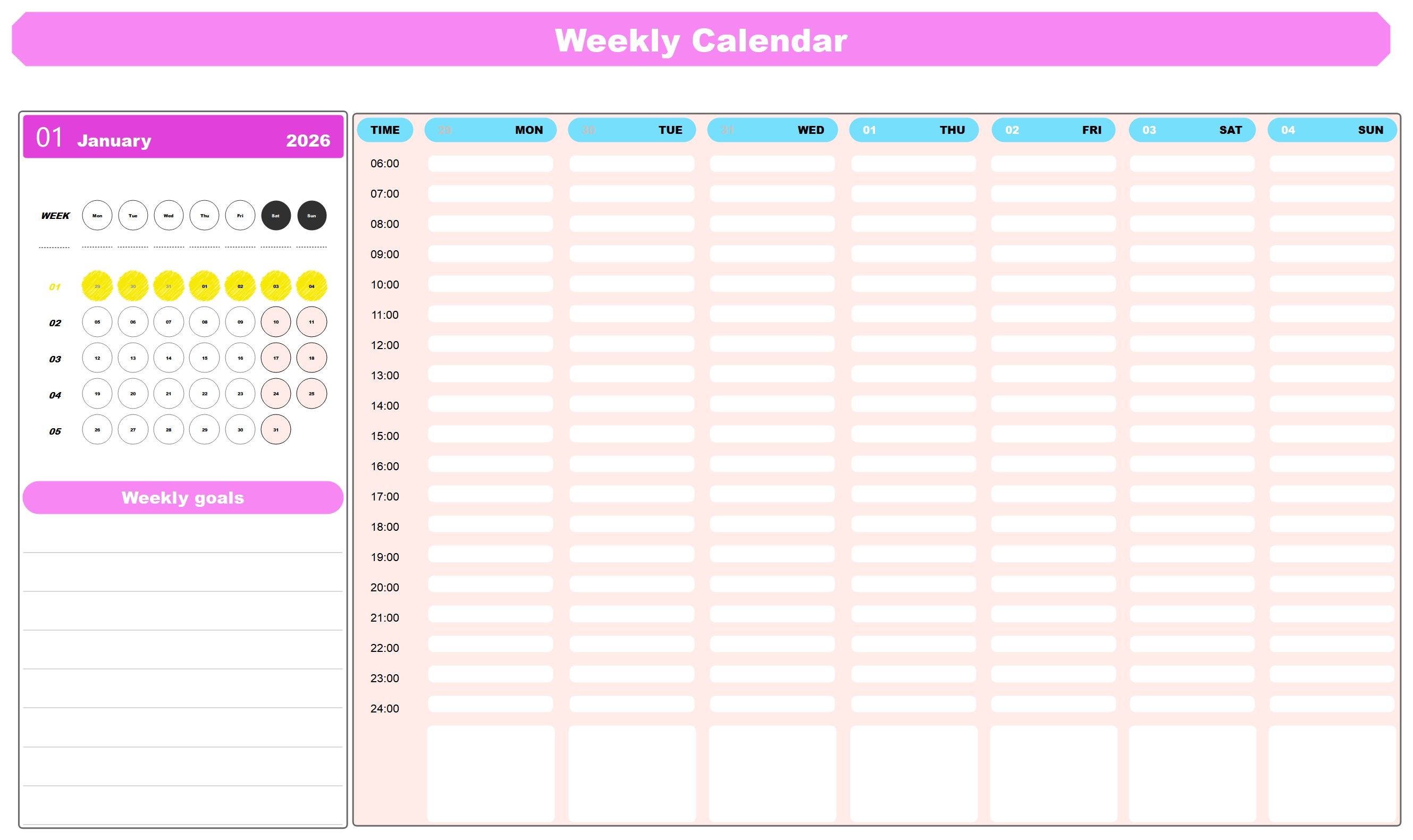
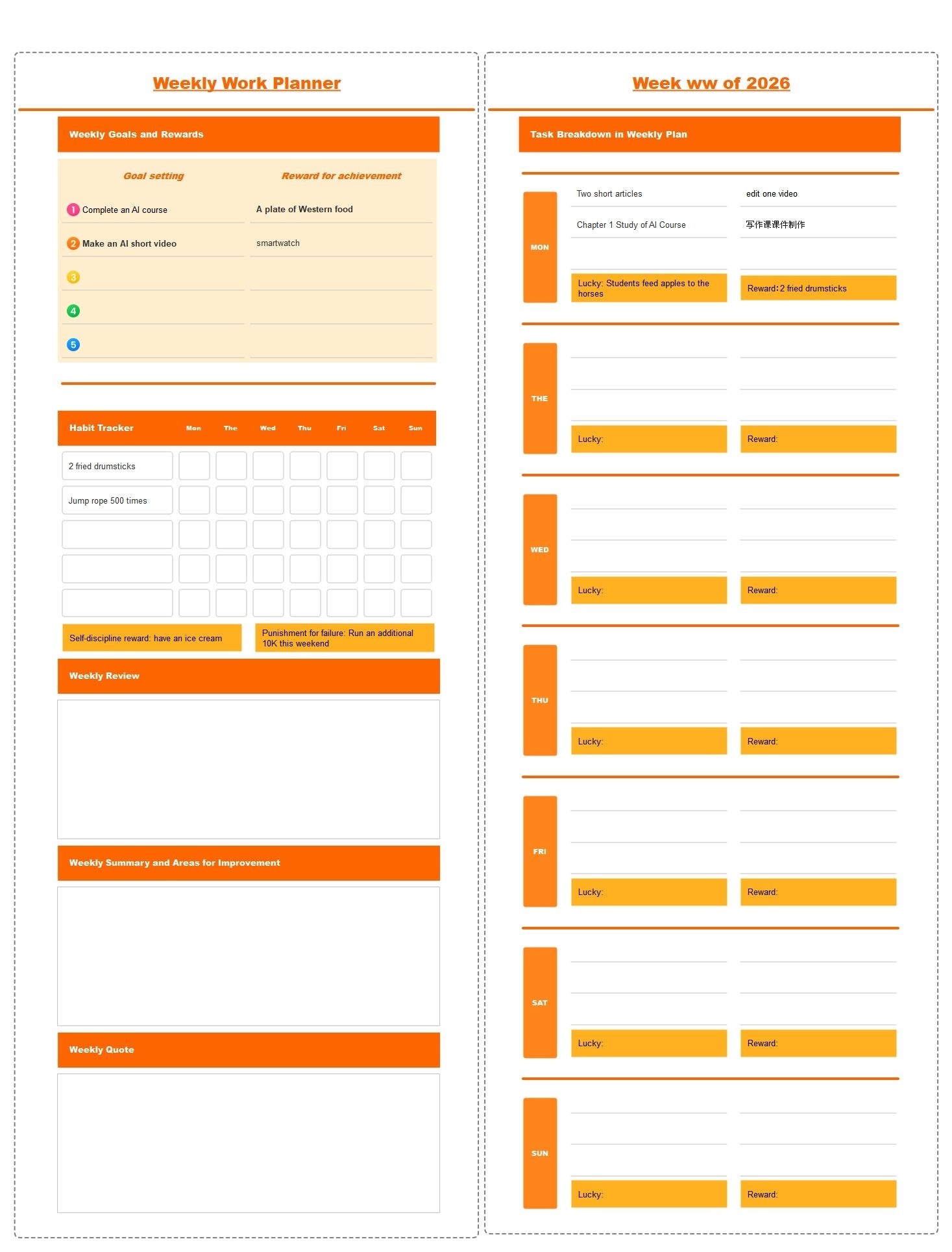
This template combines productivity planning with self-management. It is not only a weekly task list, but also a system for setting goals, tracking habits, reviewing performance, and reinforcing progress through personal rewards or consequences.
Weekly Goals and Rewards
This branch captures the motivational structure of the week. It helps users define what they want to accomplish and what reward is attached to achievement so the planner supports follow-through rather than just recordkeeping.
Task Breakdown in Weekly Plan
This section turns the weekly goals into specific action items. It is useful for breaking larger ambitions into manageable tasks that can actually be scheduled and completed during the week.
Habit Tracker
This branch focuses on recurring self-discipline work. It helps users track behaviors that matter over time, not just one-time tasks that happen to appear this week.
Weekly Review
This section captures the reflective side of the planner. It gives users a place to summarize what worked, what did not, and what should be adjusted before the next week begins.
Weekly Quote
This branch reflects the template’s motivational design. It helps keep the planner personal and encouraging, which is useful when the weekly system is meant to reinforce long-term habits.
Self-Discipline Reward and Consequence Rules
This final section highlights the accountability mechanism built into the planner. It connects achievement and failure with visible reinforcement, turning the weekly plan into a more deliberate behavior-management tool.
FAQs about this Template
-
What should go into a weekly work planner?
A weekly work planner should usually include the main priorities, deadlines, meetings, follow-up actions, and any blockers or dependencies that could affect execution. A useful planner is selective rather than overloaded, because the point is to focus work, not to create another long list no one can realistically follow.
-
How do you plan a realistic work week?
A realistic work week starts by identifying the few tasks that matter most, then fitting them around fixed commitments, review time, and likely interruptions. Good planning is not just filling a schedule. It also means deciding what will not be done this week.
-
Why does a work planner improve weekly focus?
A work planner improves weekly focus because it turns broad intention into visible timing and sequencing. That makes it easier to protect important work from being crowded out by low-priority urgency.
-
How is a work planner different from a task list?
A task list collects tasks, while a work planner organizes time, priority, and realistic capacity. Both are useful, but the planner is better when people need to decide what truly deserves attention during a limited time window.