About Weekly Work Plan Template
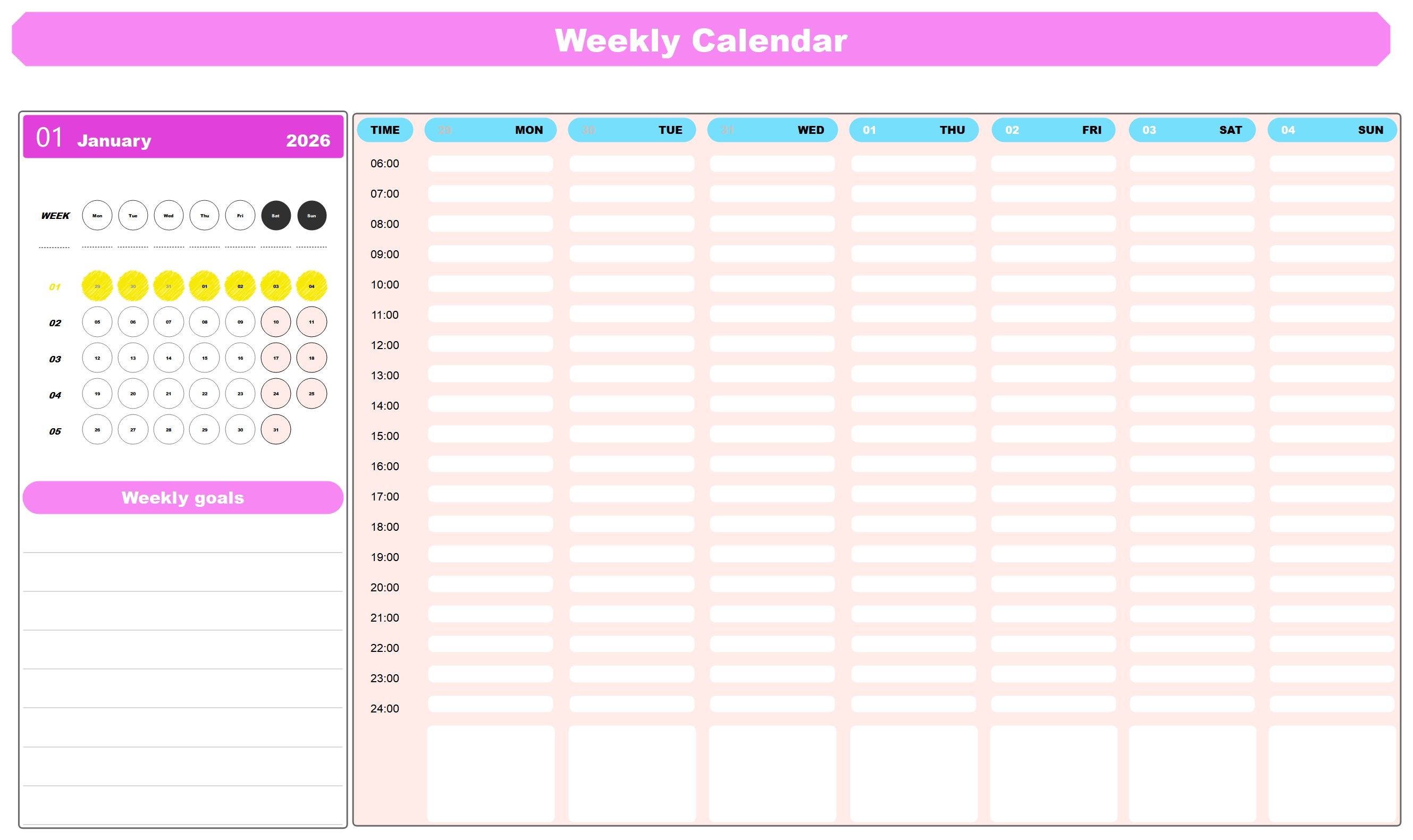
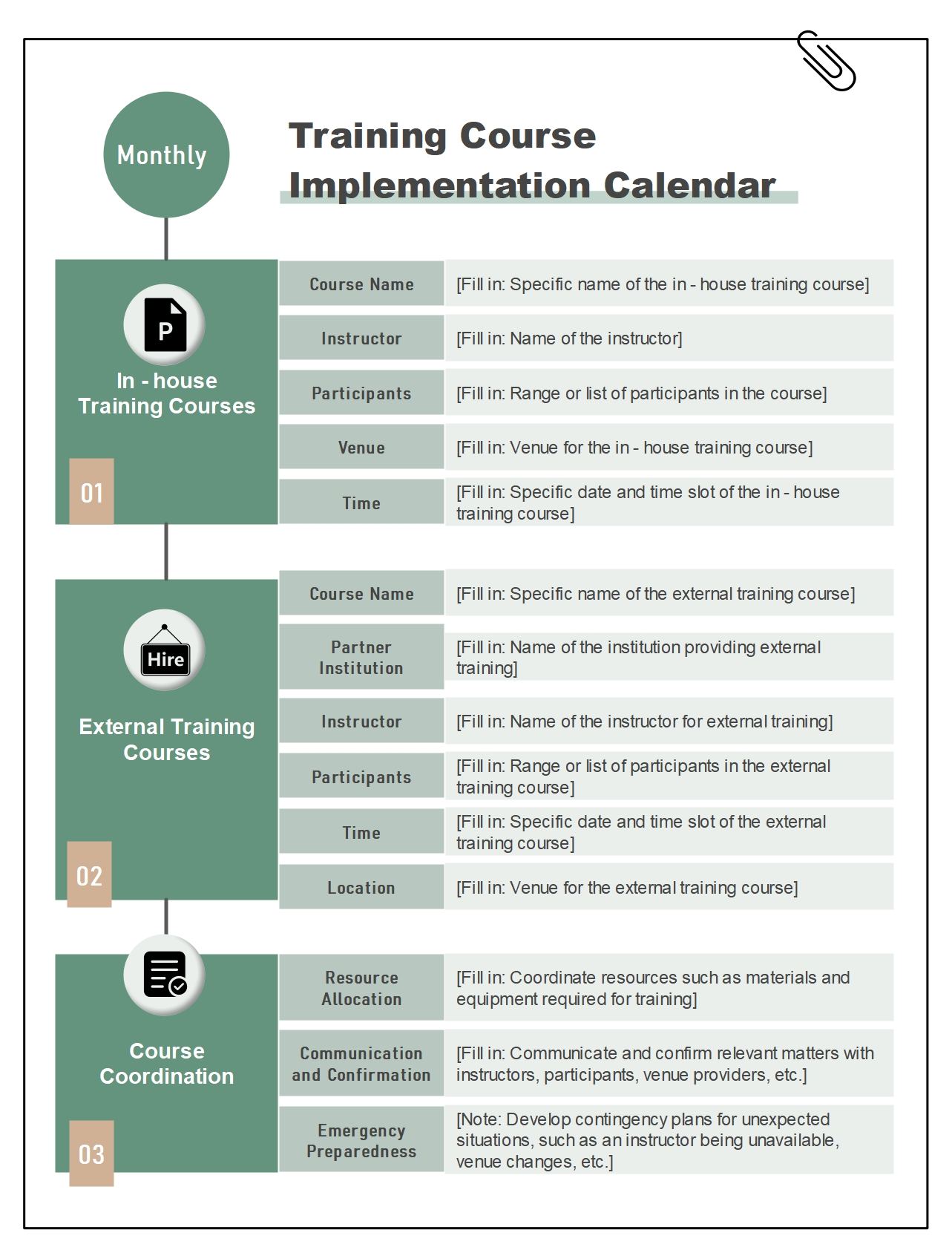
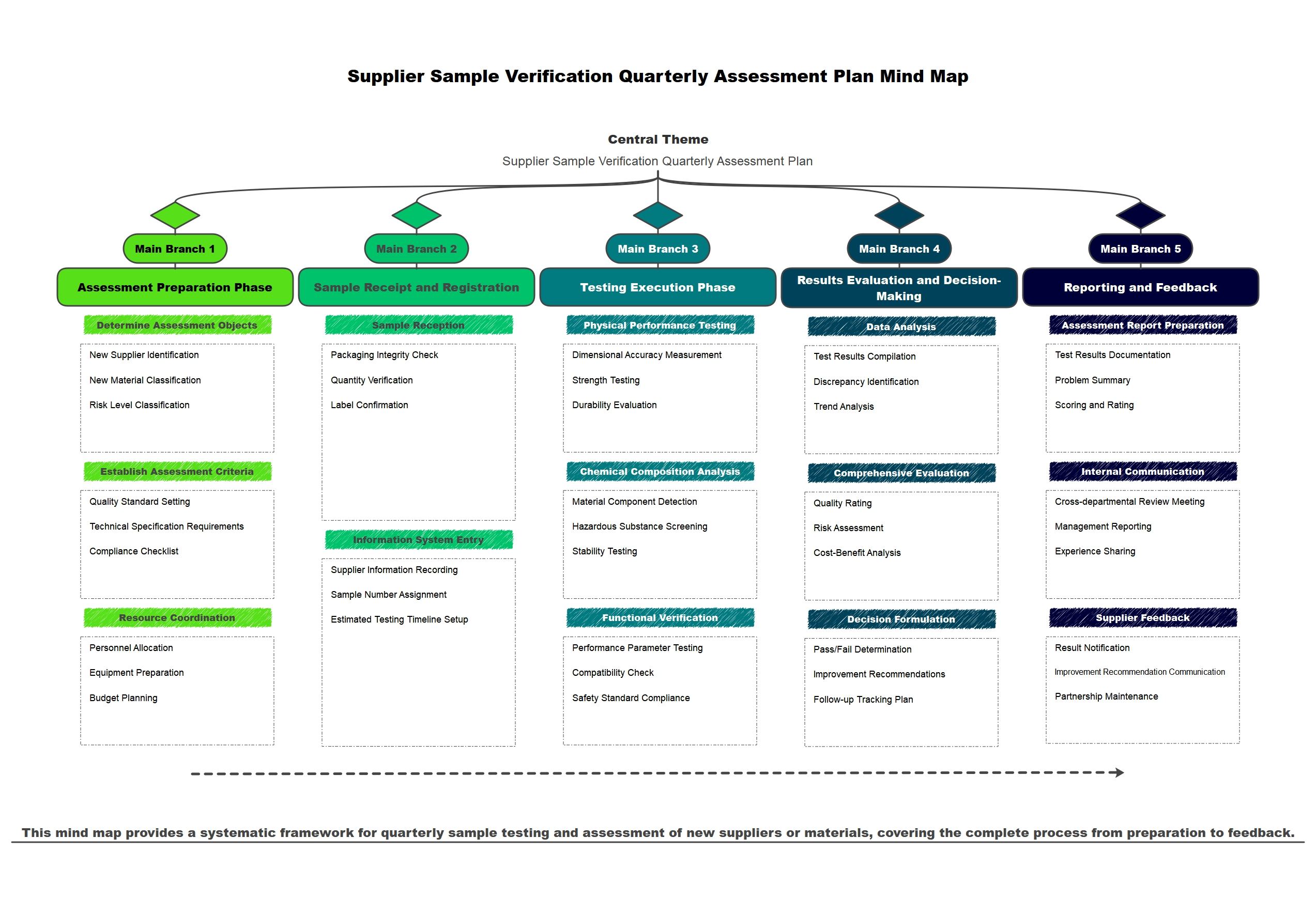
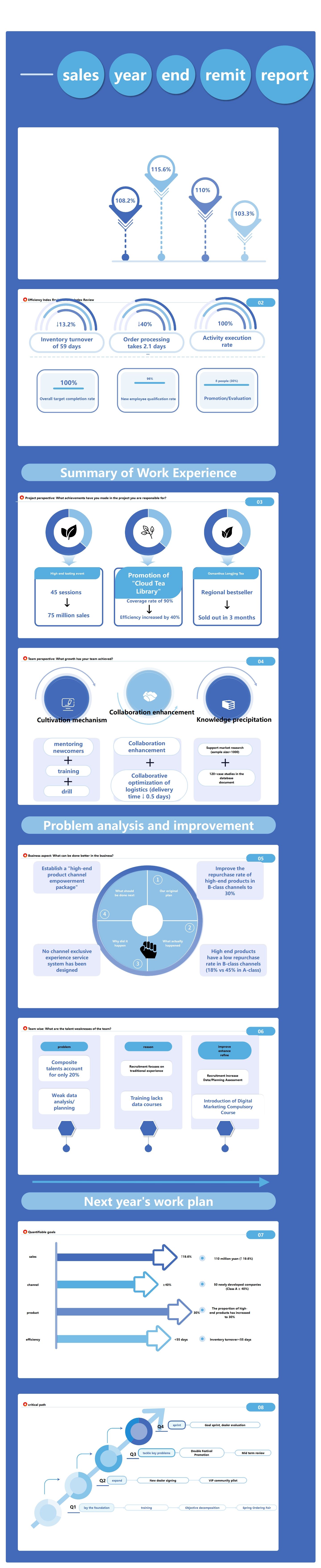
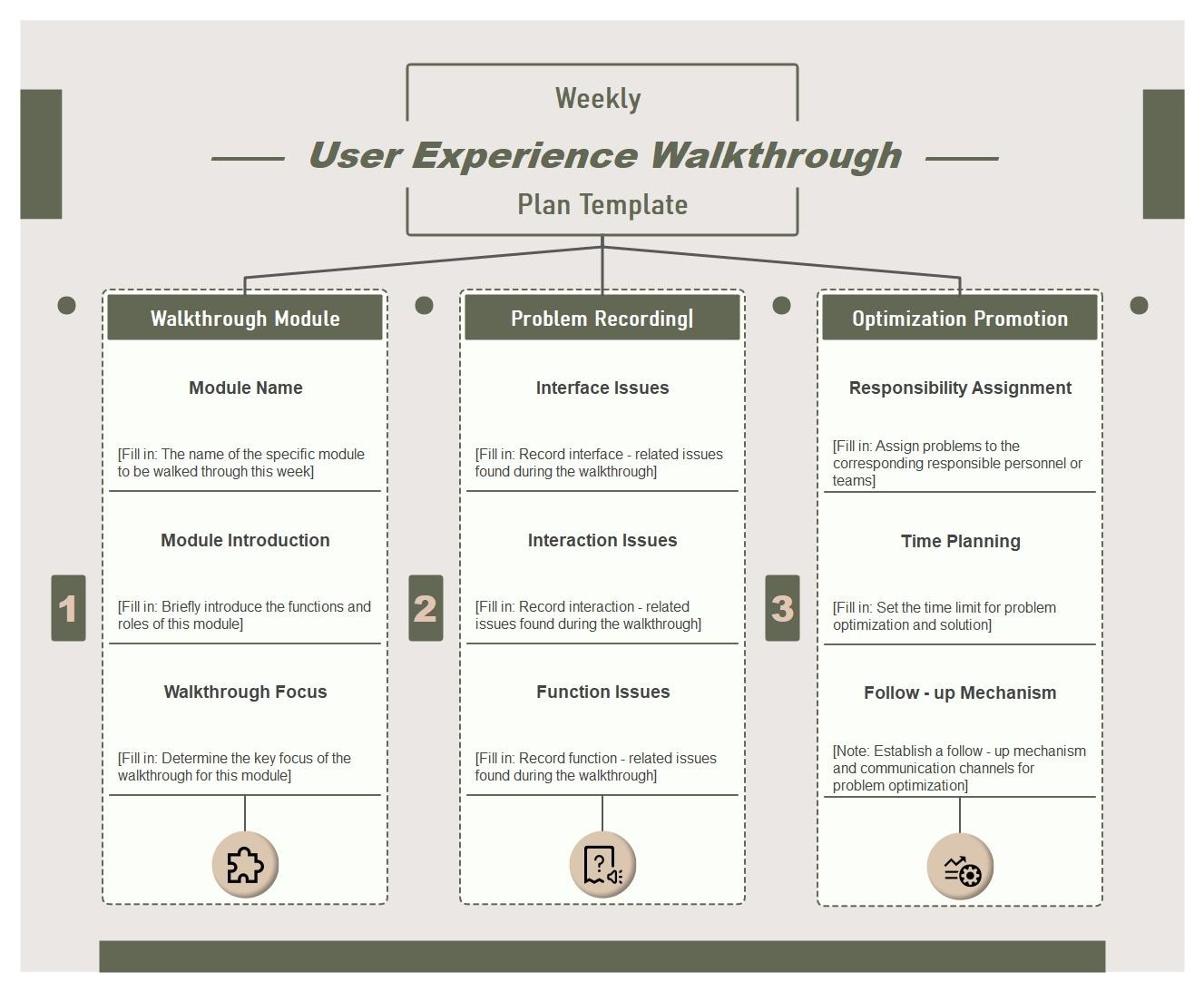
This template is designed to explain weekly work plan through a clear branch structure rather than a vague general summary. It shows the main content areas directly inside the map, helping readers understand what the template includes and how each section contributes to the full topic.
Weekly Priorities
This branch represents one of the main content areas shown in the template. It helps explain what information is included in this part of the image and why this section matters to the overall structure rather than functioning as a generic placeholder.
Task Breakdown
This branch represents one of the main content areas shown in the template. It helps explain what information is included in this part of the image and why this section matters to the overall structure rather than functioning as a generic placeholder.
Schedule Coordination
This branch focuses on timing and sequence. It helps readers understand when the work happens, how stages are arranged, and why the order of actions matters inside the overall template.
Review Notes
This section covers the review layer of the template. It helps show how results, progress, or issues are checked after the main work is done, making the template more useful for follow-up and continuous improvement.
FAQs about this Template
-
What should go into a weekly work plan?
A weekly work plan should usually include the main priorities, deadlines, meetings, follow-up actions, and any blockers or dependencies that could affect execution. A useful plan is selective rather than overloaded, because the point is to focus work, not to create another long list no one can realistically follow.
-
How do you make a realistic weekly plan?
A realistic weekly plan starts by identifying the few tasks that matter most, then fitting them around fixed commitments, review time, and likely interruptions. Good planning is not just filling a schedule. It also means deciding what will not be done this week.
-
Why is weekly planning important?
Weekly planning is important because it creates a short enough horizon to stay practical while still giving enough structure for priorities to be visible. Without it, work often becomes reactive, fragmented, and harder to evaluate at the end of the week.
-
How is a weekly plan different from a to-do list?
A to-do list collects tasks, while a weekly plan organizes work by priority, timing, and realistic capacity. Both are useful, but the weekly plan is better when people need to decide what truly deserves attention during a limited time window.