About New Employee First-Week Onboarding Plan Template
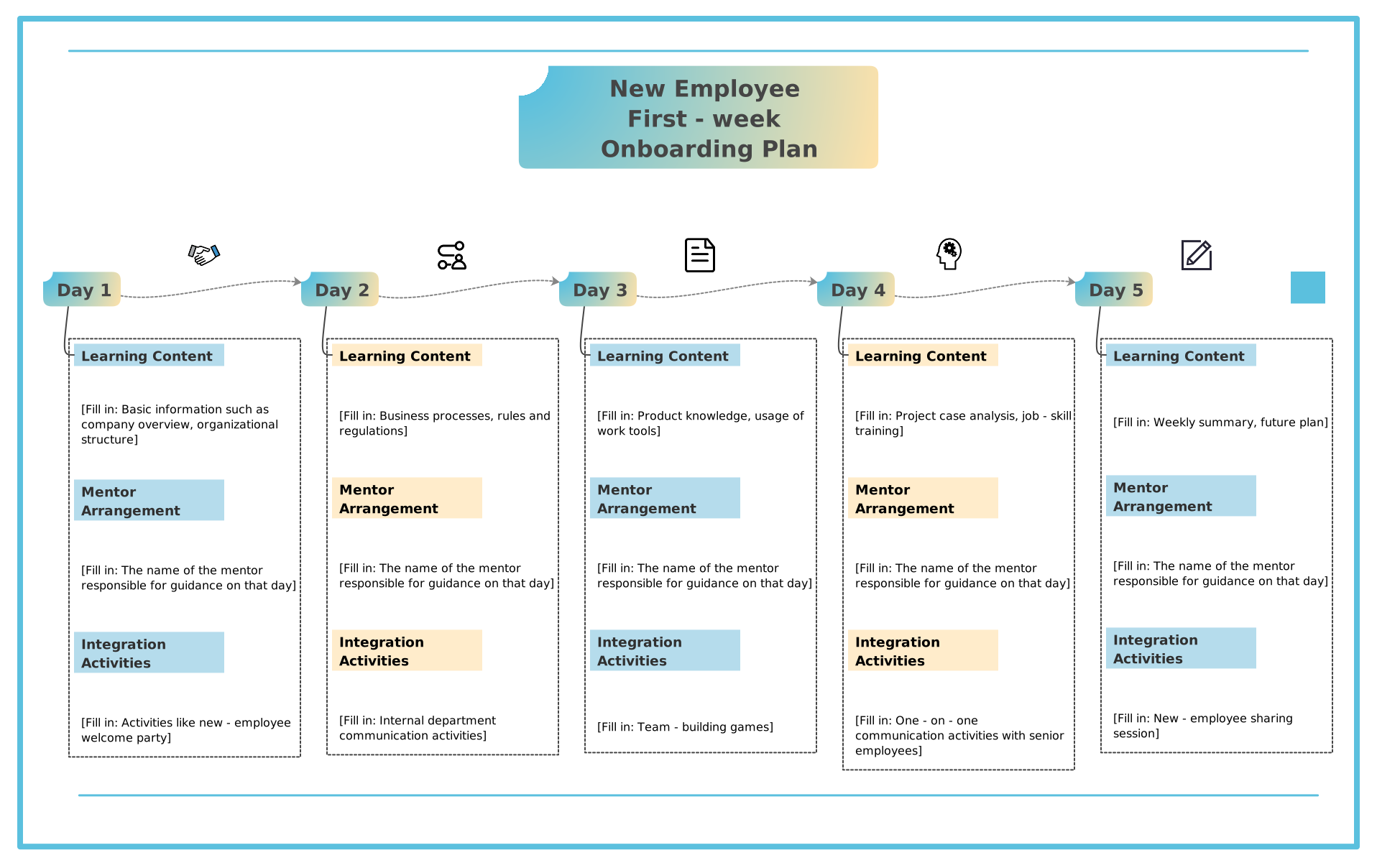
This template is designed around a five-day onboarding structure rather than a general HR checklist. It breaks the first week into Day 1 through Day 5, allowing teams to show what the new employee should learn, who should support them, and how orientation, training, and integration activities are distributed across the week.
Day 1
This branch usually focuses on entry-level orientation content, such as company overview, organizational structure, and the first basic welcome arrangements. It gives the template a clear starting point by showing what should happen on the employee’s first day instead of leaving early onboarding unstructured.
- Company overview
- Organizational structure
- Welcome arrangements
Day 2
This section typically introduces guidance support and business basics. Based on the image structure, it includes mentor arrangement and business process learning, helping the new employee understand who will support them and how the core workflow operates inside the team.
- Mentor arrangement
- Business processes
- Rules and regulations
Day 3
This branch usually moves into practical work knowledge. It may cover product knowledge, usage of work tools, and communication-related integration activities, showing that the onboarding plan is not only about welcome content but also about helping the employee start functioning inside the real work environment.
- Product knowledge
- Usage of work tools
- Internal communication activities
Day 4
This section often focuses on skill building and applied understanding. The image suggests content such as project case analysis and job-skill training, which means the template helps bridge the gap between orientation and role-specific contribution.
- Project case analysis
- Job-skill training
- Applied role preparation
Day 5
This branch closes the first week with reflection and team integration. It may include a weekly summary, future plan, and sharing session, helping the template function not only as a task schedule but also as a structured transition into longer-term development.
- Weekly summary
- Future plan
- New employee sharing session
FAQs about this Template
-
What should happen during a new employee’s first week?
A new employee’s first week should usually cover orientation, role expectations, team introductions, tool access, workflow basics, and early support check-ins. The goal is not to overload the person with everything at once, but to help them settle quickly and start contributing with less confusion.
-
How do you onboard a new employee effectively?
Effective onboarding usually combines clear expectations, staged learning, practical access setup, and frequent follow-up during the first few days. The strongest first-week plans help new hires understand not only what tasks they own, but also how the team communicates, where information lives, and how success will be judged early on.
-
Why does first-week onboarding matter so much?
First-week onboarding matters because it shapes confidence, productivity, and early retention. A weak start often creates avoidable confusion about role boundaries, systems, and priorities, while a good first week helps new employees settle faster and reduces the burden on managers who would otherwise need to keep fixing the same gaps.
-
What should a new hire learn in the first week?
A new hire should usually learn the role purpose, key contacts, daily workflow, tools, reporting lines, and the first set of tasks or milestones. The most useful first-week learning is practical and role-specific, because early clarity matters more than giving the person too much background information at once.