About this Human Resource Management template
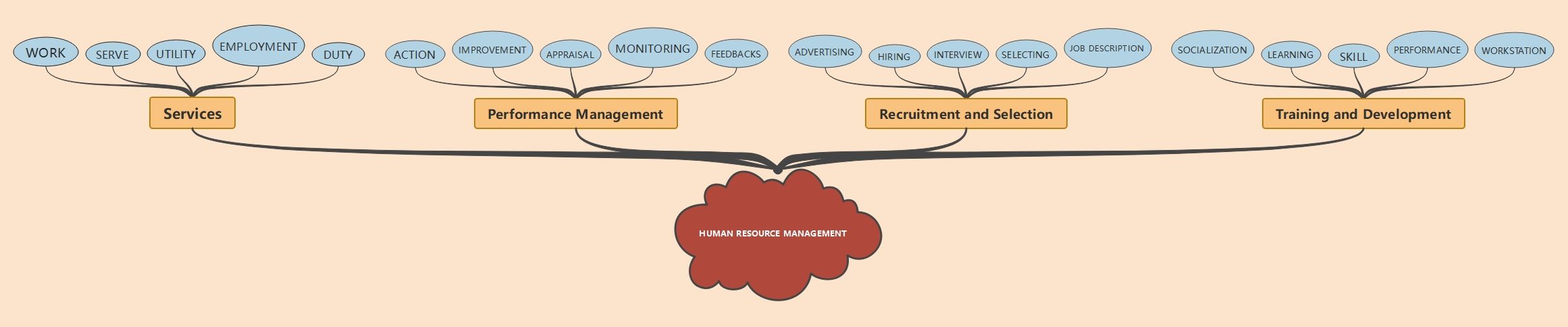
This HRM template offers a clear visual map of essential HR functions. It helps managers organize recruitment, tracking performance, and employee development. Using this structure ensures that all parts of the human resources department work together. It is an ideal tool for planning and explaining HR strategies.
Services
This section focuses on the essential duties and support provided to employees. It covers work schedules, utility management, and the overall employment experience. Providing high-quality services ensures that staff members remain motivated and productive.
- Work
- Serve
- Utility
- Employment
- Duty
Performance Management
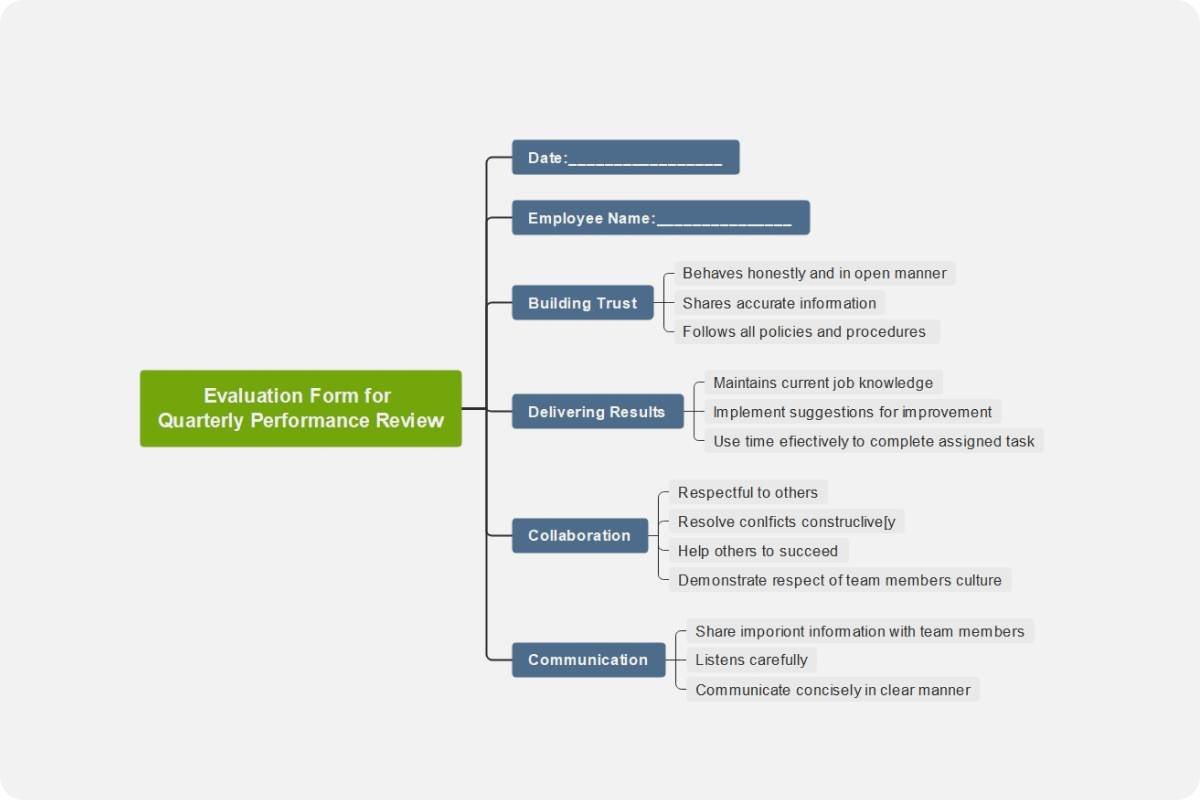
This branch highlights how managers track and improve employee work. It involves continuous monitoring, formal appraisals, and giving regular feedback. By taking specific actions for improvement, organizations help their team members reach their full potential.
- Action
- Improvement
- Appraisal
- Monitoring
- Feedbacks
Recruitment and Selection
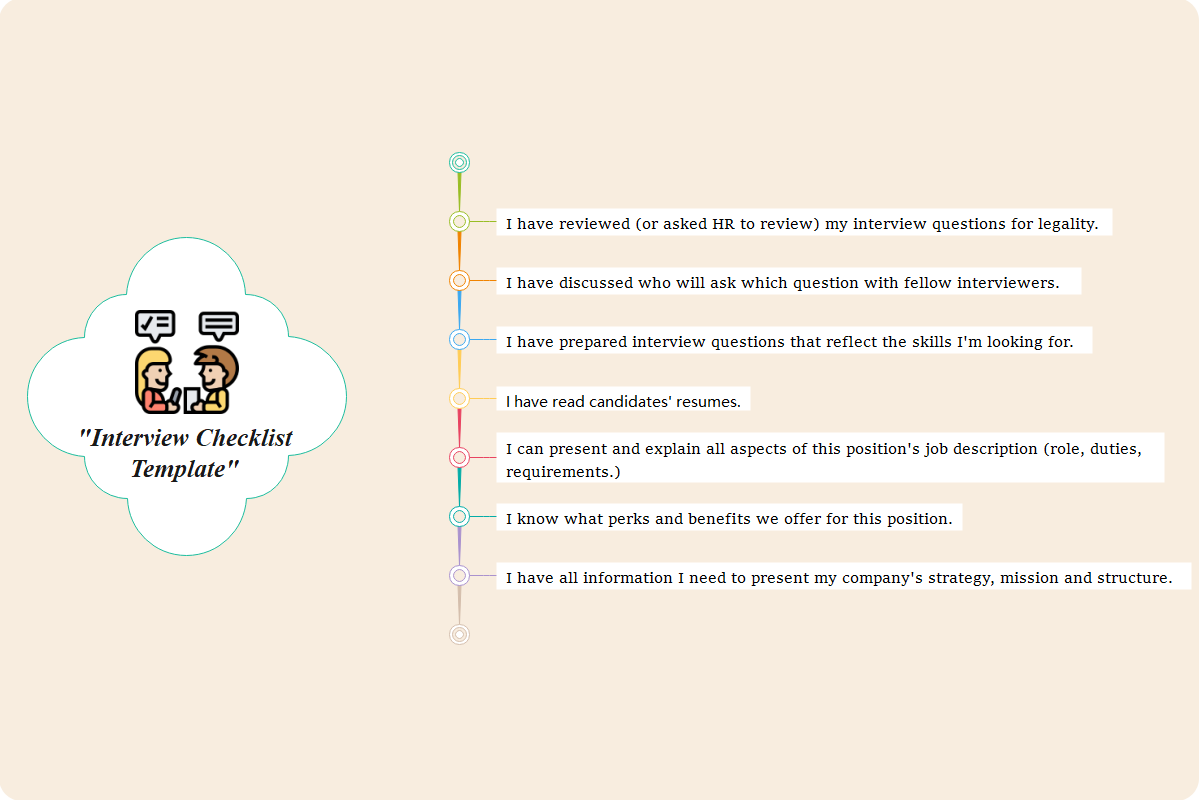
Finding the right talent is vital for any company's long-term growth. This process includes creating job descriptions, advertising open roles, and conducting interviews. Carefully selecting candidates helps ensure that new hires fit the company culture.
- Advertising
- Hiring
- Interview
- Selecting
- Job Description
Training and Development
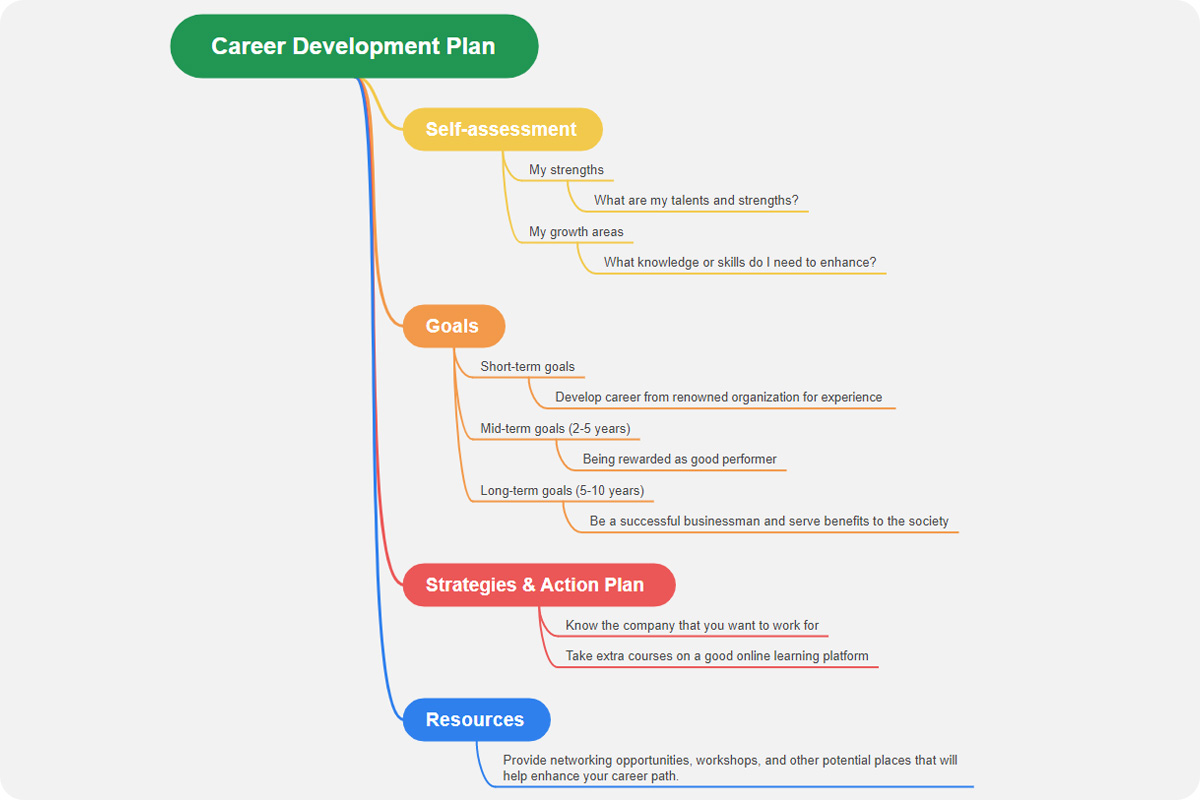
This section outlines the growth of employees through continuous learning and socialization. It focuses on building new skills and improving workstation performance. Investing in development helps workers stay current with industry trends and professional standards.
- Socialization
- Learning
- Skill
- Performance
- Workstation
FAQs about this Template
-
Why is performance management vital for business success?
Performance management is vital because it aligns individual employee goals with the company's overall objectives. It allows managers to identify strengths and weaknesses through regular monitoring and appraisals. By providing constructive feedback, the organization can encourage growth and fix productivity issues early. Ultimately, it builds a high-performing culture where everyone understands their expectations and works toward shared success.
-
What are the key stages involved in recruitment and selection?
The recruitment process usually begins with writing a clear job description to attract the right candidates. Next, the HR team uses advertising to reach potential applicants across various platforms. Once resumes are received, the team conducts interviews and assessments during the selection phase. This careful approach ensures that the organization hires individuals who possess the necessary skills and experience for the job.
-
How does training and development benefit the organization and its employees?
Training provides many benefits, such as improving employee morale and increasing workplace efficiency. When staff members learn new skills, they become more confident in their daily tasks and workstations. Development programs also help with employee retention because workers feel valued when a company invests in them. Finally, a well-trained workforce is better equipped to handle new challenges and innovative technologies.