

What are Biomolecules?
Human life has been produced through cells, which are believed to be the smallest form of the living organism in the world. For the survival of cellular organisms across the body, the need for energy and nutrients is essential. From where does this energy come from? Organic molecules emerging from biomolecules examples hold the responsibility of providing the cells the ability to cover life-sustaining tasks.
The size and structure of biomolecules variates, whereas their functions are also significantly different from each other. Emerging from 25 naturally occurring elements, biomolecules can thus be found, providing aid across many life functions. Talking about their basic classification in scientific adaptations, biomolecules are referred to as small biomolecules or macromolecules. Some common types and classes of these types are provided as follows:
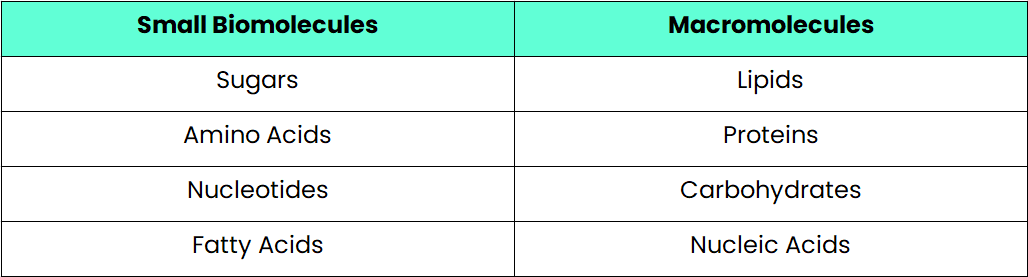
For this article, we shall assert our focus on macromolecules and their discussion as biomolecules examples.
Four Major Types of Biomolecules: Explained with Examples
In this part, readers will be introduced to the four major types of biomolecules, their purposeful functions, and examples that would help them understand the organic entities responsible for life's sustenance.
1. Carbohydrates
The diet that we intake daily has a major proportion of carbohydrates. Being one of the most important biomolecules of the food cycle, they are the ultimate source of energy that helps us function throughout the day. A meal without carbohydrates is equivalent to nothing for the human body. While they are the most important biomolecule for the human body, they are also the most abundant entity on Earth.
Classification and Functions of Carbohydrates
Carbohydrates are referred to as the parent form of biomolecules in scientific terminology. However, as they are divided in hydrolysis, they are segregated into three major classes. These classes are distributed in accordance with their functionality which is stated as follows:
Carbohydrates are referred to as the parent form of biomolecules in scientific terminology. However, as they are divided in hydrolysis, they are segregated into three major classes. These classes are distributed in accordance with their functionality which is stated as follows:
- Monosaccharides
In scientific identification, carbohydrates are referred to as polyhydroxy aldehyde or polyhydroxy ketone. Monosaccharides, the first recognized class of carbohydrates, are the single unit of polyhydroxy aldehyde or ketone.
They represent some significant features of being colorless, crystalline solids that dissolve in water if exposed. Some notable examples of monosaccharides include glucose, fructose, ribose, and arabinose, mostly referred to as the premium energy sources for the human body. - Disaccharides
Joined by O-glycosidic bonds, disaccharides constitute two units of sugars, which cater to many significant energy processes of living things. This classification contains many known examples that hold many important energy sources among living organisms. Lactose, a significant energy source among animals, and sucrose, a product of photosynthesis, are some renowned examples of disaccharides. Some more examples of this classification in carbohydrates include maltose, trehalose, and cellobiose. - Polysaccharides
Carbohydrates that contain more than two sugar monomer units are regarded as polysaccharides. Also remembered as glycans, these can be considered under two premier types of homopolysaccharides and heteropolysaccharides.- Homopolysaccharides:These sugar units of a single type are classified under their functions, which leads to two basic divisions of structural polysaccharides and storage polysaccharides. The first type caters to the mechanical stability within the human body's cells, organs, and organisms. Chitin and cellulose are remembered to be some important examples of such types. Storage polysaccharides, on the other hand, are the storage carbohydrate spaces that release sugar monomers when required by the human body. We can find starch and glycogen to be some important examples of this classification.
- Heteropolysaccharides:Sugar units with multiple types are referred to as heteropolysaccharides. With diverse functionalities, we can find such types of carbohydrates in the form of heparin which is an anticoagulant, or hyaluronic acid, which is a shock absorber present in the human body.
2. Proteins
Unbranched polymers of amino acid residues are referred to as proteins. These biomolecules are found across major human body mechanisms, with participation across every process within a human cell. From replication to metabolism, proteins are found to be extremely effective in the execution of the processes. Under the idea, proteins exist in eight primary groups that are considered the classes of this biomolecule.
Classification and Functions of Proteins
Proteins exist in multiple structural formations; however, for this article, we shall be dividing this biomolecule type according to their functional properties:
Proteins exist in multiple structural formations; however, for this article, we shall be dividing this biomolecule type according to their functional properties:
- Structural Proteins
Found in connective tissues, bones, nails, and horns of living organisms, this form of protein is the strongest type among all proteins. They are known for their toughness and the property of being insoluble in water. Some prominent examples of such protein types include elastin and keratin. - Hormones
Our body enhances as it ages, which is evolved with the help of hormones. This form of protein, which exists as long chains of linked amino acids, plays roles in covering human processes of reproduction, growth, sleep, etc. These protein types are quite evident and common, where we find discussion of many significant hormones such as growth hormone (GH). - Transport Proteins
A basic animal cell contains cell membranes, the entity which is responsible for ensuring the gap between the wanted and unwanted molecules in the cells. Associated with the transport protein, they form channels within the plasma of the membrane that only allows specific molecules to enter the cell. They can also be found across the blood. - Motor Proteins
This protein type focuses on the body's movement through muscles. From contraction to relaxation of muscles, motor proteins can be found in this specific section of the body in the form of actin, kinesin, etc. - Enzymes
The living form of catalysts, enzymes hold an integral role in the coverage of processes such as digestion. By catalyzing the complete procedure, the decrease the time by increasing the rate of reaction. Some renowned examples include lipase, nitrogenase, etc. - Toxins
Produced by bacteria, toxins such as diphtheria toxin and exotoxins help bacteria attack and kill the host organism within the body. - Storage Proteins
This protein type exists as storage reserves of amino acids and metal ions, usually required in eggs, seeds, and pulses. Some prominent examples of storage proteins include ferritin and casein. - Respiratory Pigments
Soluble in water, this form of protein helps create oxygen for muscles and hemoglobin, which accounts to be among the most important processes of the human body in daily life.
3. Nucleic Acids
These biomolecules examples are generally found across cells and viruses, which are responsible for the transfusion of genetic information. Scientifically emerging as polymers of nucleotides, this form of biomolecules is referred to as a very significant function of the human body related to reproduction.
Classification and Functions of Nucleic Acids
Scientists have generally divided nucleic acids into two categories for their nature, structure, and function:
Scientists have generally divided nucleic acids into two categories for their nature, structure, and function:
- Deoxyribonucleic Acids (DNA)
Associated with hereditary material, DNA can be found across the nucleus of a cell. Emerging in the form of helix structure, DNA is based on multiple properties, including hydration levels, sequence, chemical modification, type, and concentration of the metal ion present in the solution. This genetic material, according to the formation of properties, holds and stores information that is to be transferred. The structure and function of DNA explain living organisms and their development. - Ribonucleic Acids (RNA)
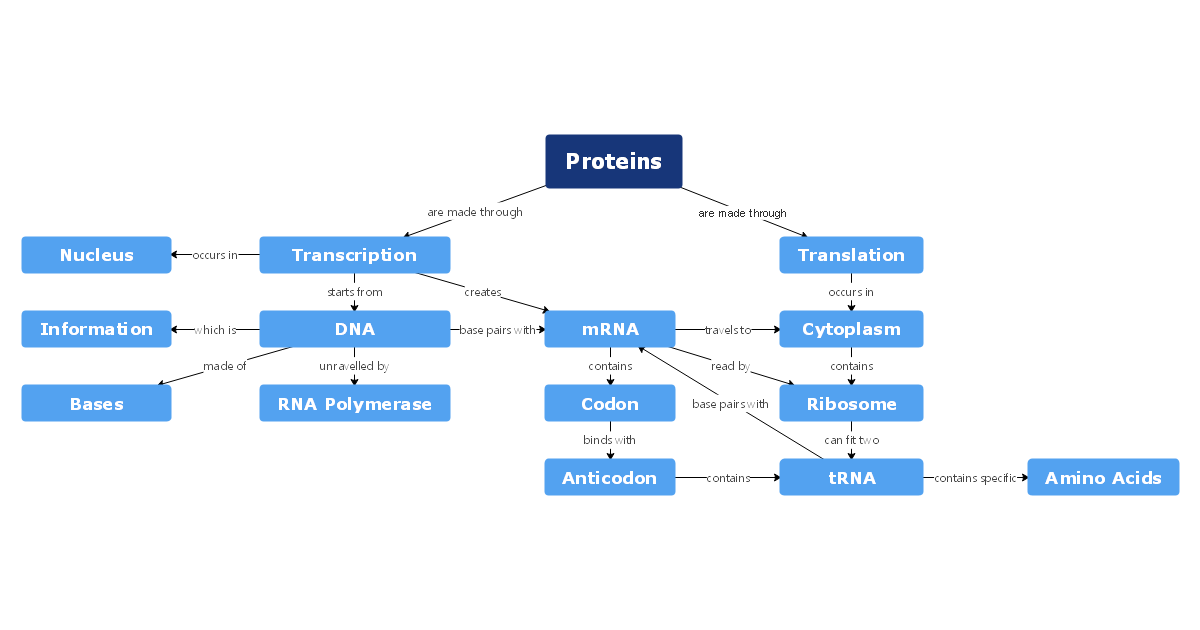
This can be found across all living cells, where it can be utilized as a genetic material as well as enzymatic material. RNA is found as rRNA, mRNA, and tRNA across living organisms, which have distinctive roles and functions in the life cycle of a living organism. As it is known that DNA cannot leave the cell, RNA holds the responsibility of transferring the genetic information held by the DNA through transcription and translation.
4. Lipids
This type of biomolecule exists as hydrophobic materials, constituting a chain of hydrocarbons that are chemically diverse and can be found across structures and storage within cell structures. Lipids are organic compounds that are insoluble in water but soluble across other organic solvents, which include ether etc.
Classification and Functions of Lipids
Lipids exist in six distinctive classes in the living organisms, with distinctive features and structures. They can be found as:
Lipids exist in six distinctive classes in the living organisms, with distinctive features and structures. They can be found as:
- Steroids
Steroids essentially are not recommended for external consumption; however, our bodies do produce and contain necessary steroids that are used to function in multiple processes within living organisms. Cholesterol, a consistent example of a steroid, is quite common among human beings. - Eicosanoids
Derived from the polyunsaturated fatty acids, this classification of lipids is quite consistent in ensuring consistency in multiple functions such as blood pressure and inflammation. - Fatty Acids
Being the simplest in the classifications, these are generally utilized in building other formations of lipids in the human body. - Waxes
Synthesized by many plants and animals, these are generally recognized as esters developed from fatty acids and long-chain alcohols within the body. - Phospholipids
This form of lipids is usually discovered across the cell membrane of a basic cell unit. - Glycolipids
Involved in signal transductions, glycolipids are generally discovered across cell membranes.
Biomolecules Concept Map Templates
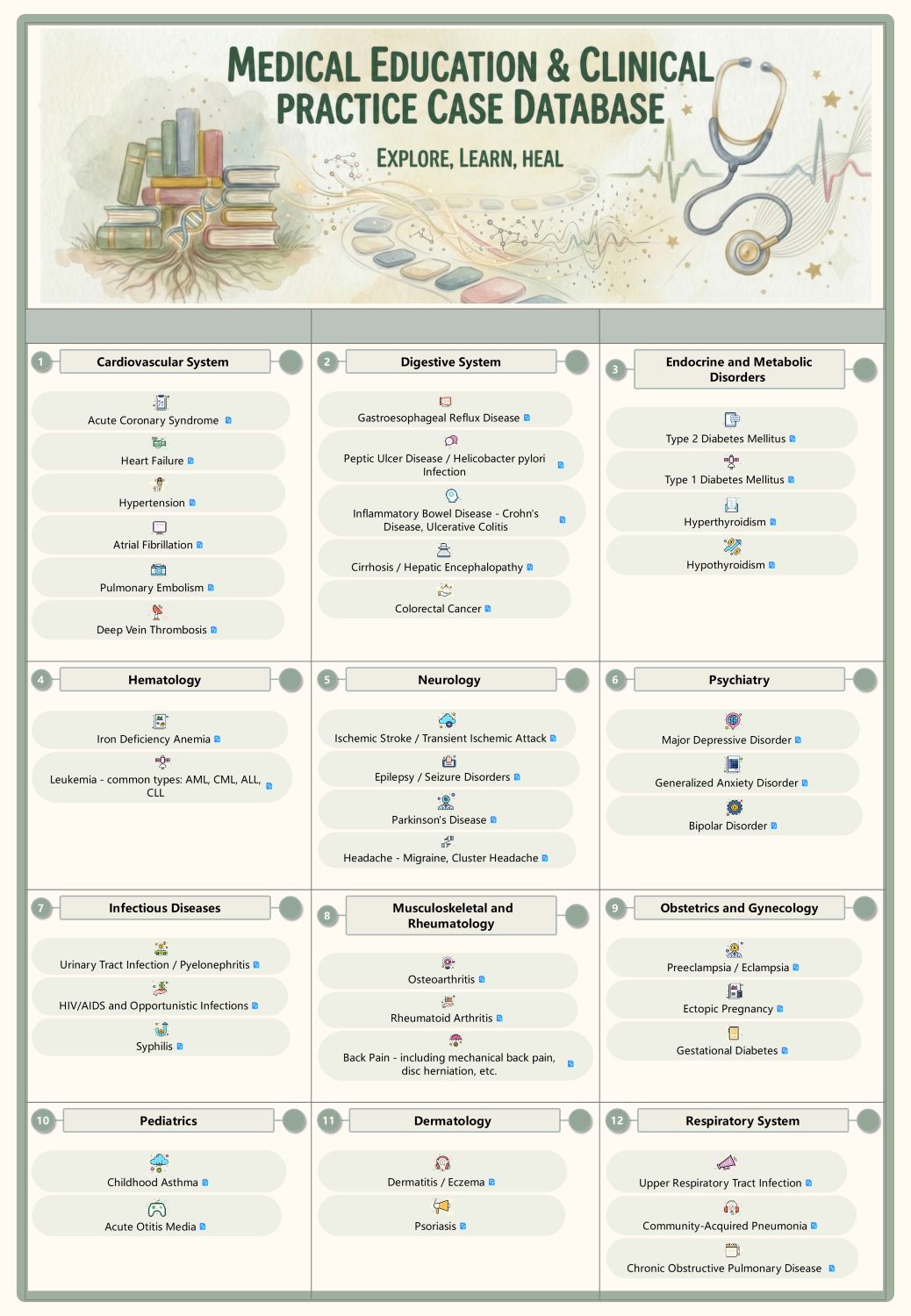
While the readers build up their knowledge of biomolecules from the provided information, many other techniques can be essentially employed to make this process easier. Mind map templates and concept map templates help users effectively understand the procedure of elements like biomolecules. The following examples are a clear distinction of how biomolecules can be explained with the help of concept map templates:
1. Carbohydrates Concept Map