
Numerous students battle to discover study abilities that work for them. In actuality, joint strategies, such as reading and taking notes, serve just a few of us.
For those looking for options and more compelling techniques, mind mapping is perfect.
Concentrating on mind maps for students prompts better information retention.
Students of all ages and fields are, without a doubt, familiar with the feeling of information overload and the pressure of trying to remember an idea later.
Mind maps answer this. Instead of having sufficient information stored in our minds with little to integrate everything, this stage provides us with tools to make the information more effective.
In this article
What Is Mind Mapping?
A mind map is an instrument for taking notes, sorting out thoughts, organizing papers, completing schoolwork, and reading for tests.
Mind-mapping carries the request to your contemplations, and welcomes a free progression of ideas, empowering imagination. The following are the benefits students get from using mind mapping strategies.
- Students can better understand the lesson and retain the information longer.
- The visual platform that mind mapping provides is the key point of why the mind map for students is so beneficial.
- Mind maps allow students to engage fully and accurately with the current subjects.
The Uses of Mind Maps for Students
One needs to comprehend what this Mind Mapping procedure is and why students would utilize it.
There are five different ways students can start Mind Mapping to show signs of improvement, enhance their memory, and spend less energy on notes that are worth reading!

Making Notes
Initially, Mind Maps are an extraordinary way for students to take notes on all the information they receive.
Mind Maps for students help note down just the essential details using keywords, and then visually make associations between ideas, keeping all your subject thoughts together on one sheet.
Group Study
Group study can be an enjoyable path for students to share their insights, and Mind Mapping can help you get the best out of a brainstorming meeting.
First, you should make a Mind Map of your thoughts on the subject, as this will concentrate your mind on your ideas and feelings, not the numerous students!
Making Presentations
Making presentations at school, university, or college can be overwhelming for students. However, there is an extraordinary method of demonstrating that you know the subject well and are confident in discussing it.
Mind Mapping, you have catchphrases and pictures to animate your memory, so you naturally present more conversationally as you keep eye contact with your audience.
Problem Solving
If you have an extreme condition or snag you have to survive, Mind Mapping can assist you with seeing things.
When you experience an issue, your instinct is to freeze. Mind maps for students support in opening up numerous prospects and alternatives to address the problem.
Studying for Exams
With Mind Mapping, studying and exams don't need to be frightening. Primarily, survey the notes you have made regarding each matter, and Mind Map the critical information you have to recall.
To watch that you have retained this information, you can create another Mind Map with just the first subject branches, and afterward fill in the rest from memory.
The Benefits of Using Mind Maps for Students
When students use mind maps as an examination or learning tool, they can manage ideas more effectively because they coordinate their learning process. It is like the demonstration of examining, emphasizing, and disclosing information to an accomplice.
The benefits of the mind map for students in instruction are unlimited; instructors can substantially improve their talks. Students can make it more likely to comprehend and retain information that suits their particular needs.
Making a mind map is more than just a helpful tool for learning—it's also a ton of fun!
The Best Mind Mapping Tool for Students
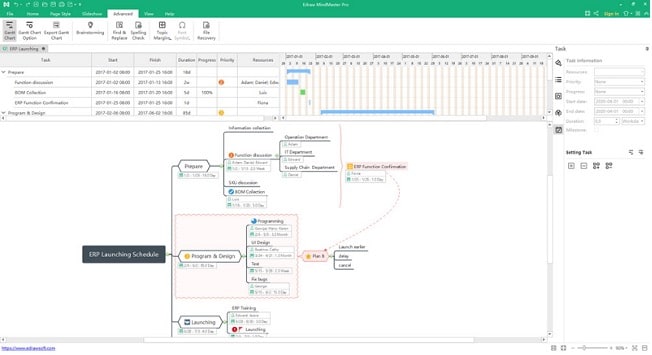
Mind mapping software like Wondershare EdrawMind is easy to explore. The demonstration of working out a mind map is essential in helping students comprehend complex subjects, structure, and the 10,000-foot view. It provides the best features that assist every student in:
- EdrawMind contains a navigability interface, keyboard shortcuts, and smart layout notes.
- Full creative freedom, which provides full access to color palettes, themes, and cliparts;
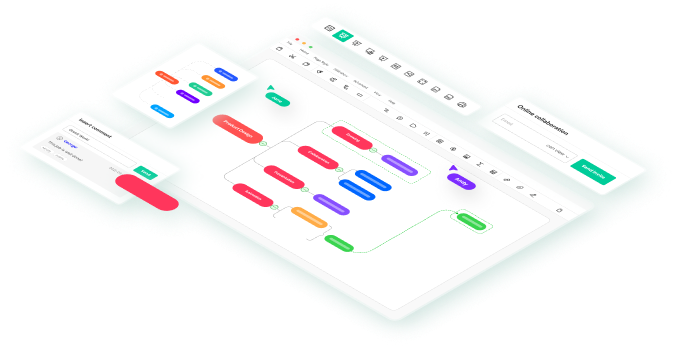
- Not only that, but the EdrawMind mind map for students also offers interactive features and capabilities that allow users to share information online, in presentations, and access it from anywhere.
The Mind Mapping Examples for Students
When you've figured out how to make mind maps, you'll be amazed at how much quicker you'll retain data and how simple it is to compose essays, make connections with introductions, and that's only the tip of the iceberg!
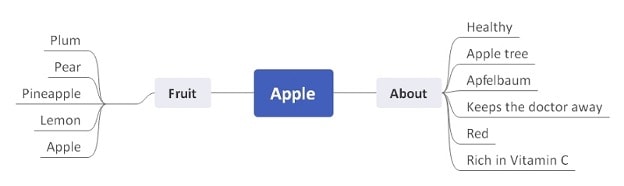
Note-Taking Mind Map
Mind maps urge you to adequately consider what you hear and record the most basic snippets. Rather than composing entire sentences, you stick to catchphrases and essential pictures.
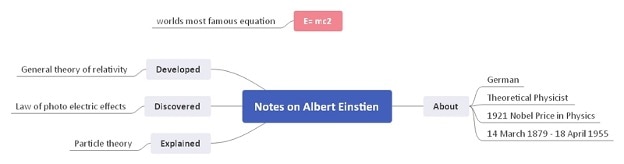
Remembrance Mind Map
Mind maps use all our cortical aptitudes and engage the brain on all levels, making it more ready and adept at recalling.
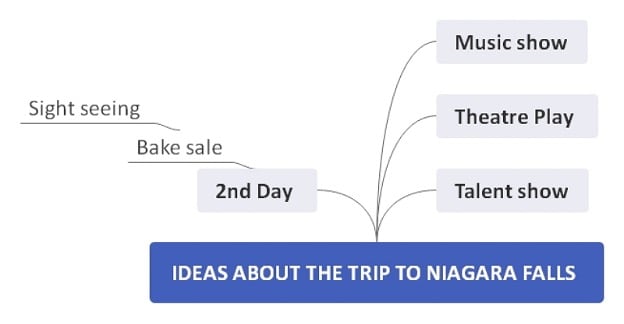
Group Project Mind Map
If you're one of the many students who fear group projects in school, mind maps might be the way to change this.
A mind map can make it a lot simpler to imagine what should be accomplished and cooperate with your colleagues to complete all errands.
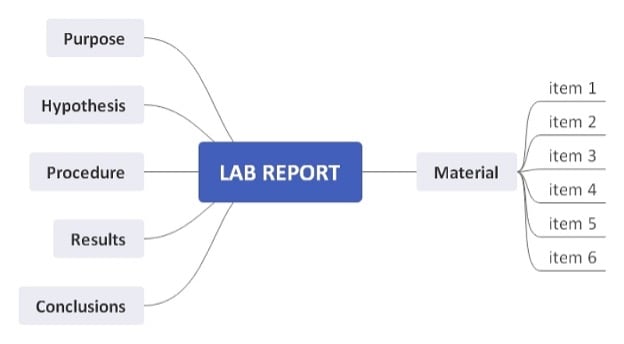
Lab Report Mind Map
In case you're keener on quality than science, making an aesthetic mind map to use for catching and reporting tests you ran in the science lab can light your enthusiasm during your science classes.
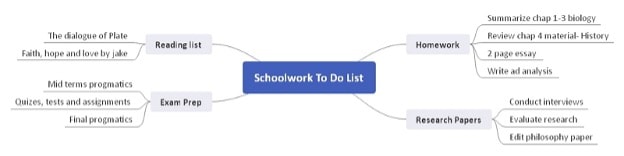
Schoolwork Mind Map
Likewise, you can use mind maps to plan your day and ensure you always remember important schoolwork or upcoming tasks.
Tips When Using a Mind Map for Students
A mind map is a simple but powerful tool. It places the main idea at the center and expands into branches of themes, details, and examples.
It helps you organize thoughts, remember more, and study with greater efficiency. To get the best results, keep these practices in mind:
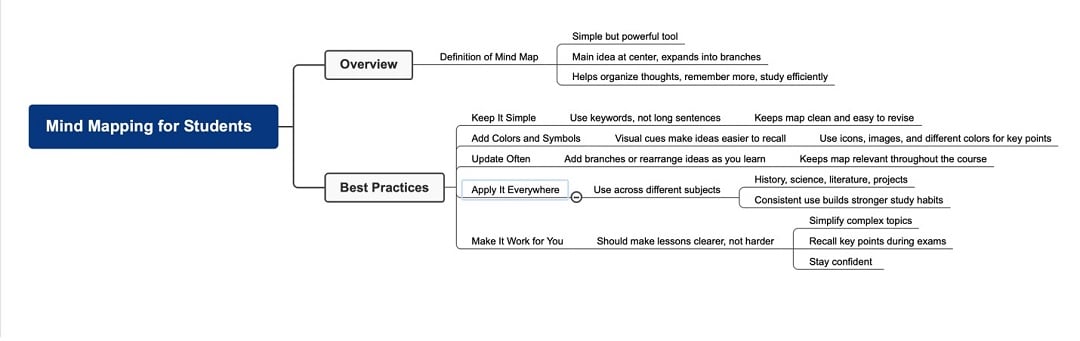


- Keep It Simple. Use keywords, not long sentences. This keeps your map clean and revises faster.
- Add Colors and Symbols. Visual cues make ideas easier to recall. Use icons, images, and different colors to highlight key points.
- Update Often. As you learn new material, add branches or rearrange ideas. This keeps your map relevant throughout the course.
- Apply It Everywhere. Use mind maps across different subjects—history, science, literature, or even projects. Consistent use builds stronger study habits.
- Make It Work for You. A mind map should make lessons clearer, not harder. Use it to simplify complex topics, recall key points during exams, and stay confident in your studies.
How To Boost Efficiency for Students With a Mind Map
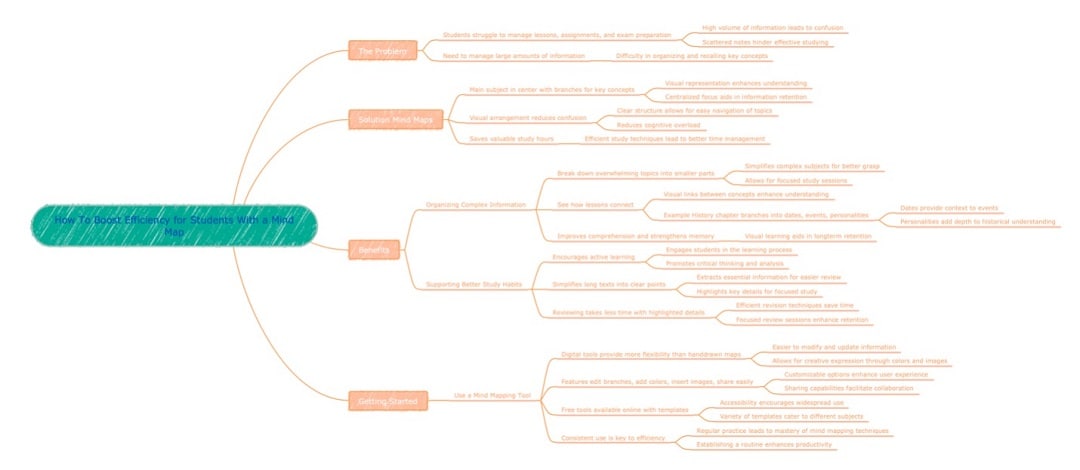
Students like you can struggle to manage lessons, assignments, and exam preparation simultaneously. This is why you should use mind maps: to manage the information you receive, as there can be a lot.
Instead of handling scattered notes, a mind map places the main subject in the center and builds branches for key concepts, examples, and connections. This visual arrangement reduces confusion and saves valuable study hours.
Organizing Complex Information
Mind maps are useful when subjects feel overwhelming. Breaking down topics into smaller parts helps students see how lessons connect.
For instance, a history chapter can branch into dates, events, and personalities, making the subject easier to understand. This not only improves comprehension but also strengthens memory during exams.
Supporting Better Study Habits
Efficiency depends on how well a student uses study time. Mind maps encourage active learning by forcing the brain to simplify long texts into clear points.
Reviewing with a mind map also takes less time, since the most important details are highlighted visually.
How To Use a Mind Mapping Tool
While drawing mind maps by hand is possible, digital tools provide more flexibility. They allow students to edit branches, add colors, insert images, and share maps easily.
Free tools are available online, and they often include templates that help students begin quickly. Such features encourage consistent use, which is the key to efficiency.
Example: EdrawMind
EdrawMind is a free knowledge management tool. You can use it to make mind maps for students. With over 210+ diagrams and a large library of symbols plus AI tools, you’ll be studying really well with this tool.
Conclusion
When students use mind maps as a study or learning device, they can handle ideas more effectively because they are actively engaged in the learning process. It is like the demonstration of studying, repeating, and disclosing information to an accomplice.
As a student works out a mind map, his or her mind is compelled to make a relationship between different bits of apparently separated information.
EdrawMind assists students with building a more transparent and complete image of a theme or idea for mind maps.
Lastly, here are some frequently asked questions related to our topic of mind maps for students. Please treat these as last-minute tips as you go back to your studying session.
FAQ
-
Can a mind map really save time when studying?
Yes. Instead of rewriting long notes, you use keywords and branches. This lets you review an entire chapter in minutes rather than rereading pages of text, especially on examination day. -
How do I know which information belongs on the mind map?
Stick to the essentials. Put the main subject in the center, then add supporting concepts, examples, or formulas. Leave out details that don’t add value. A clear map is always more useful. -
Should I make mind maps by hand or with software?
Both work well. Hand-drawn maps encourage creativity, while digital maps are easier to edit and update. Tools like EdrawMind also give ready templates, which can save time during busy study sessions. -
Can mind maps help with essay writing or projects?
Definitely, they’re great for outlining essays, planning reports, or organizing group tasks. Seeing how ideas connect helps keep arguments and steps in a logical order. -
How often should students use mind maps?
Use them whenever you face complex lessons, exam reviews, or project planning. Regular practice builds speed and consistency, making studying much more efficient.
 EdrawMind
AppsEdrawMind Online
EdrawMind
AppsEdrawMind Online