

The NCLEX exam assesses the knowledge, abilities, and skills essential for an entry-level nurse. It serves as a guide for examination development and candidate preparation to meet the needs of clients' health maintenance or restoration.
This article serves as a guide for preparing for the NCLEX exam and provides key information.
In this article
Key Sections of the NCLEX Exam
The organization of the NCLEX is founded on a framework of "Meeting Client Needs." To start preparing for the exam, it is pertinent to have a basic understanding of the structure of the NCLEX.
It is divided into the following categories and subcategories:
- Safe and Effective Care Environment
- Management of Care: 13-19 percent of questions
- Safety and Infection Control: 8-14 percent of questions
- Health Promotion and Maintenance
- 6-12 percent of questions
- Psychosocial Integrity
- 6-12 percent of questions
- Psychological Integrity
- Basic Care and Comfort: 6-12 percent of questions
- Pharmacological and Parenteral Therapies: 13-19 percent of questions
- Reduction of Risk Potential: 13-19 percent of questions
- Physiological Adaptation: 11-17 percent of questions
The NCLEX is built around client needs. To study well, you must know the main parts of the exam. It covers care management, infection safety, health promotion, psychosocial support, and physical care.
Each part has its own weight. Care management and medication questions often take up a significant portion. Health promotion, comfort, and risk reduction also appear. Knowing these sections helps you plan your study time better.
How To Study for the NCLEX?
Studying for the NCLEX seems to be a hard task. However, if you identify and consider the following points, you can ace this exam with flying colors.
You'd better have a study agenda according to your strengths and weaknesses. It will enable you to complete study goals in the specified time.
Understand NCLEX Format
The first step in preparing for the NCLEX is understanding its format. It uses Computerized Adaptive Testing or CAT format, which means that no single exam is identical.
The computer algorithm produces each new question based on your performance in the previous questions. The test bank of the NCLEX is comprehensive. It includes different question styles, topics, categories, and subcategories from many sections.
Understanding the format of the NCLEX will help you prepare for the exam mentally and psychologically.
Prepare Early
Preparing for the exam early will save you from anxiety and stress. It provides ample time to go through different sections of the test, so you do not have to worry about your lack of preparation.
Moreover, it helps you to calm your mind and keep you grounded. If you start preparing early, you will be able to maintain a balance in the weeks and months leading up to the exam.
It will enable you to allot time in your days for exercise, proper sleep, and whatever you do for fun. In this way, your mind would not exaggerate the test moment into anything bigger and more worrisome than it is.
Make a Study Plan
To prepare efficiently, you need to have a study plan. This plan will keep you committed to your studies. Set a schedule that includes the days you will study and the days you will practice for the exam.
Make a goal before each study session to stay focused and relevant. Studying without having a plan wastes your time and resources.
Preparing for the NCLEX is all about how you utilize your time efficiently. Moreover, a study plan enables you to achieve your aims and goals in a fixed period. It also gives you a sense of satisfaction and commitment.
Memorize the NCLEX's Structure
Its structure has a percentage range for different sections. You need to analyze the areas you believe to be your strengths. You can score maximum in these areas.
It is also beneficial to know that the NCLEX is administered with Computerized Adaptive Testing (CAT). Therefore, you need to prepare accordingly.
Another unique feature of the NCLEX is that the length of this exam depends on the person taking it. The shortest possible test length is at least 75 correct questions. Incorrect answers lead to a longer test.
This exam can take up to six hours; however, most candidates require less time than the maximum allocation. Understanding the basic structure of the NCLEX enables you to put your efforts in the right direction.
Review NCLEX Exam Practice Exams
Reviewing practice exams helps you to analyze NCLEX test patterns and evaluate your preparation. The candidates need to review and practice test samples before taking the actual exam for mental training.
Make it a part of your study plan, and review the practice exams regularly. It enables you to perform well in the exam and make the most out of the available time.
Practicing for the exam improves your knowledge retention capacity and recall power. If you have practiced enough, you will not find the NCLEX exam overwhelming.
Improve Test-Taking Skills
The NCLEX is about knowing the right answers and how to write a test. You should utilize test-taking strategies to eliminate wrong answers. With proper practice, you will notice these themes in the answers:
- First, assess the patient. Calling the doctor right away is not the well-appreciated or perfect first step.
- Use the Airway-Breathing-Circulating approach.
- Use deductive reasoning. Use it even if you have no idea about the concepts behind the topic.
- Rely on 'nurse intuition' if all else fails.
Use a systematic approach to eliminate incorrect answers by analyzing the knowledge and wording of the answers.
Exam Day Strategy
All your preparation leads to the test day. The way you manage the hours before and during the NCLEX can affect your performance. Keep your mind calm and your body rested so you can focus fully.
- Sleep well the night before. A clear head helps you recall what you studied. Avoid late-night cramming.
- Arrive early. Give yourself extra time for travel, check-in, and security steps. Feeling rushed adds unnecessary stress.
- Eat light and balanced. A healthy breakfast or snack keeps your energy steady without making you feel heavy or sleepy.
- Read each question carefully. Many mistakes come from rushing. Slow down and focus on the details.
- Use elimination. Cross out options that are clearly wrong. Narrowing choices improves your odds of choosing the right one.
- Apply prioritization rules. Think safety first: airway, breathing, circulation, and risk prevention guide many answers.
- Don’t panic at hard questions. The test adapts to your level. Getting tough items often means you’re performing well.
A calm, steady approach helps you manage stress and perform at your best. Trust your study, pace yourself, and stay confident throughout the exam.
Mind Maps To Help You Study for the NCLEX
Mind maps are an important tool to help you prepare for the NCLEX exam. They let you break down lessons into smaller parts, making it easier to connect ideas, remember details, and review them quickly before tests.
Creating mind maps also turns studying into an active process. Instead of memorizing notes passively, you engage with topics visually. This improves focus, builds stronger memory links, and helps you recall the right answers more confidently during the exam.
Below are some mind maps made within Wondershare EdrawMind:
Develop Your Study Plan
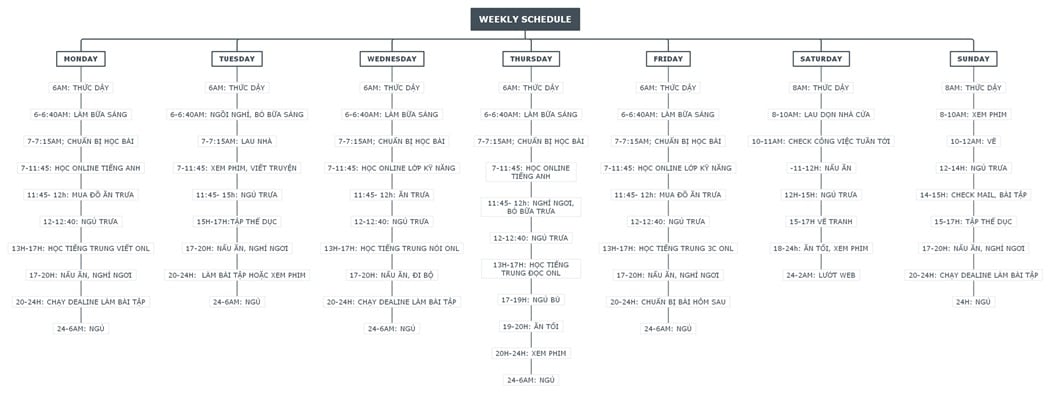


Developing a study plan is key to allocating enough time to each subject. It helps you to stay organized and committed. You can make a study plan mind map using EdrawMind.
This mind map will enable you to work efficiently without wasting any time on unnecessary activities. Developing a study plan and making a mind map for it will stimulate your brain and motivate you to work hard.
The Nursing Process
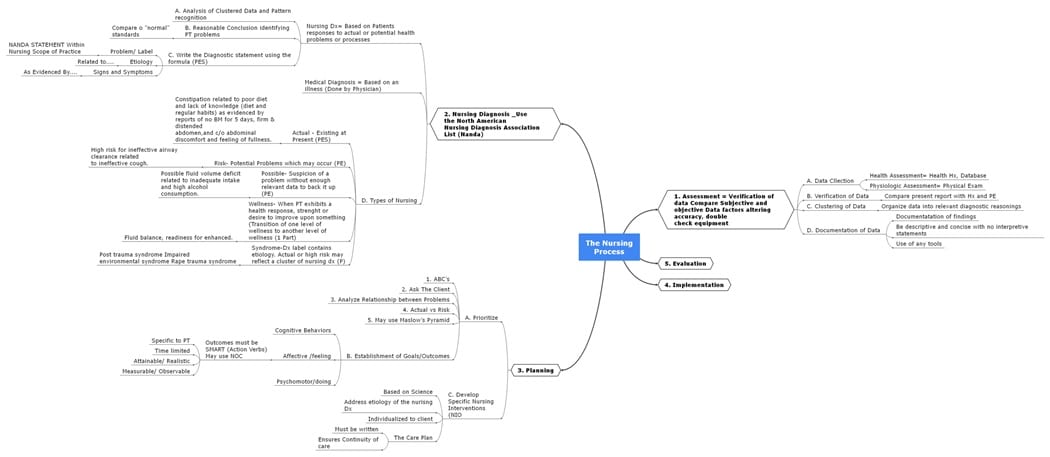
You can make a mind map of the nursing process. In this way, you can remember the exact steps involved in it.
A clear visual map supports better focus, reduces confusion, and helps you apply each stage confidently during exams. This method also improves long-term recall, which is vital for both practice and testing.
Hemophilia Mind Map
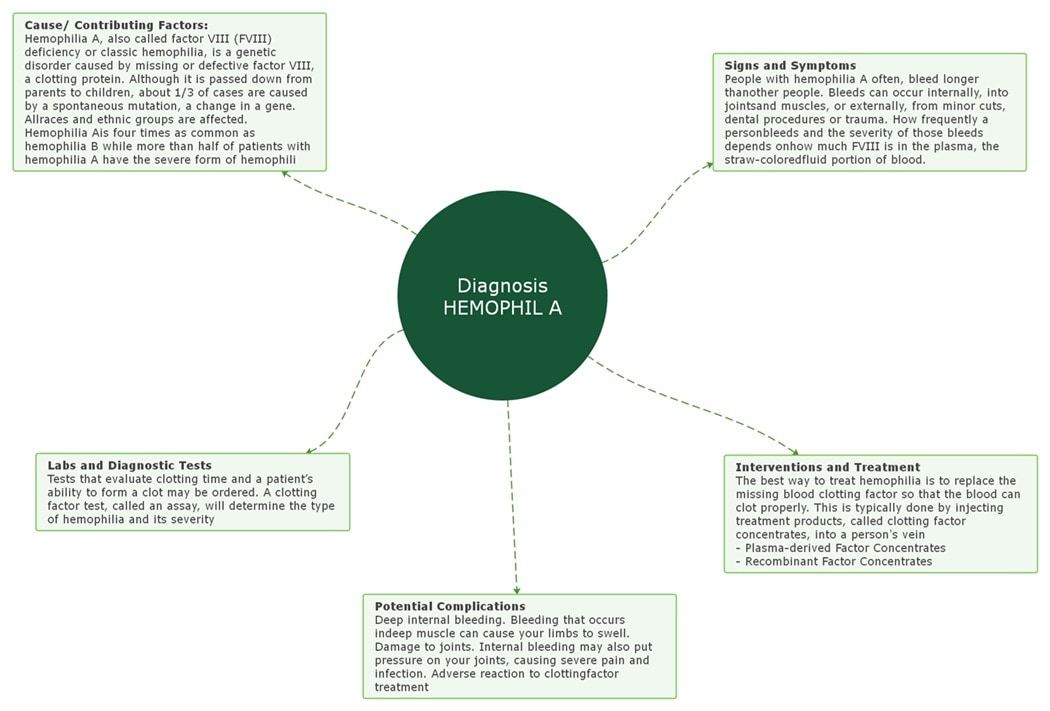
Making a mind map for hemophilia will help you understand and recall its components whenever needed.
This visual approach breaks down symptoms, causes, and treatments into simple branches. It makes complex details less overwhelming. It also strengthens connections between topics, which improves exam performance and clinical application.
NCLEX Test Preparation
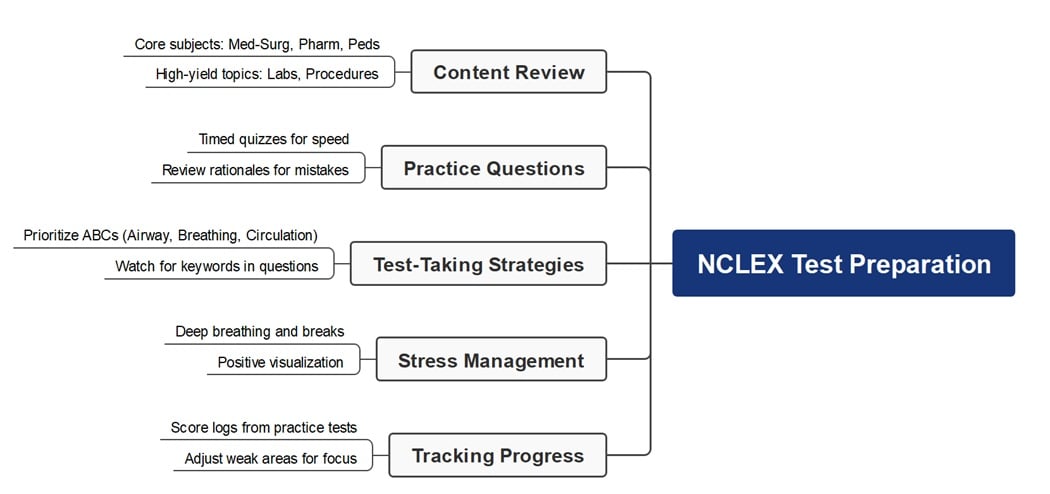
This NCLEX test preparation diagram breaks studying into five key areas: reviewing core and high-yield content, practicing timed questions with rationale, applying test-taking strategies like ABC prioritization, managing stress through breaks and visualization, and tracking progress to target weak areas.
NCLEX Clinical Skills Focus
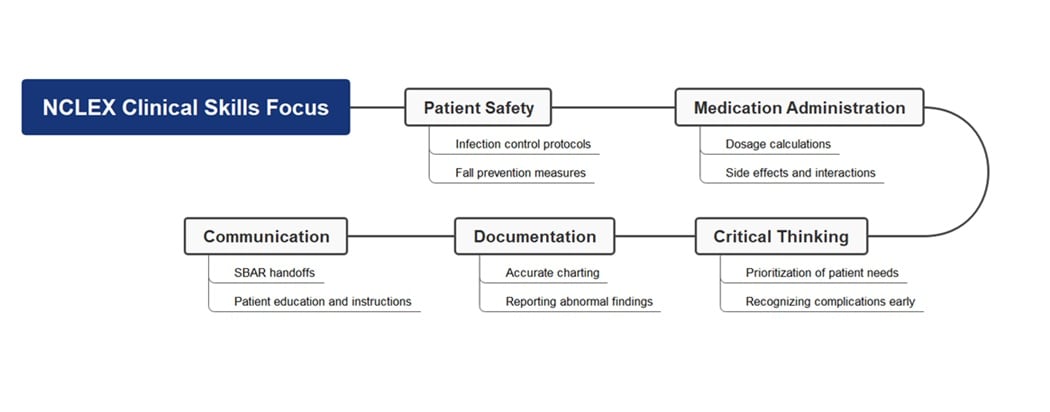
The NCLEX Clinical Skills Focus diagram covers key nursing abilities. It shows how to keep patients safe, give medications correctly, think critically, document accurately, and communicate clearly. Each area builds skills needed for safe and effective care.
Organize Your NCLEX Knowledge
Organizing your knowledge is crucial for revising and making the best of it. Over a year, you would have built knowledge worth many library shelves.
Nevertheless, for revision, you need to create simple mind maps for each exam you are new to taking.
Organizing your notes in a logical order will enable you to prepare perfectly for the exam. You can use EdrawMind to organize your NCLEX knowledge into simple, creative mind maps.
Tips for Studying for the NCLEX
Preparing for the NCLEX takes more than reading notes. You need strategy, structure, and clear thinking to handle different question types. These five study tips will help you stay organized and confident.
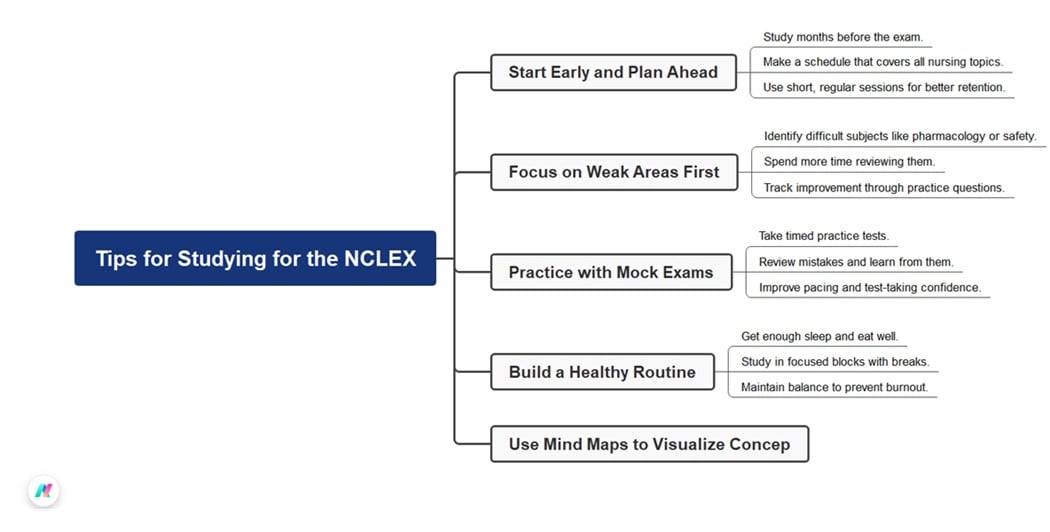
Start Early and Plan Ahead
- Begin studying months before the exam date. Create a realistic schedule that covers every topic in nursing practice.
- Starting early gives you enough time to review, understand, and apply key concepts. Consistent, short study sessions help you retain more information than long cramming periods.
Focus on Weak Areas First
- Identify the subjects you find difficult, such as pharmacology, safety, or patient care. Spend more time reviewing these areas until you feel comfortable. Use review questions to measure improvement. Focusing on your weaknesses builds a balanced understanding across all topics.
Practice With Mock Exams
- Take practice tests under timed conditions. These simulate the real NCLEX experience and teach you how to manage pressure. After each test, study your mistakes carefully to find patterns in your errors. This process improves your test-taking strategy and boosts confidence.
Build a Healthy Routine
- A clear mind comes from a balanced lifestyle. Get enough sleep, eat well, and take short breaks during study sessions. Avoid burnout by studying in blocks of time with moments of rest.
- A stable routine keeps your focus strong as exam day approaches.
Use Mind Maps To Visualize Nursing Concepts
- Complex lessons like disease management or clinical procedures are easier to learn with mind maps. Use EdrawMind to turn topics into colorful diagrams that connect ideas visually.
- This approach helps you remember relationships between symptoms, treatments, and care steps more effectively.
How To Boost Efficiency With a Mind Map
Preparing for the NCLEX requires mastering complex nursing topics, procedures, and clinical decision-making.
Mind maps like EdrawMind make these lessons easier to organize. The tool turns dense medical information into simple, visual outlines that connect related nursing concepts.
They help you see how patient care topics, diseases, and interventions relate to one another. With visual study maps, you can summarize review materials, highlight key concepts, and prepare more efficiently. This method improves understanding, recall, and exam confidence.
Here are the main features that help you study for the NCLEX:
 Try the app & get 500 free AI tokens


AI Study Guide Planner
Enter topics like “Pharmacology,” “Patient Safety,” or “Nursing Procedures.” The tool creates a structured map with branches for symptoms, medications, and nursing actions. It helps organize your NCLEX review plan.
File to Slide Task Map
Upload review notes, class handouts, or practice test summaries. The tool arranges them into visual layouts that make it easier to track high-priority concepts and patient care topics.
Pic to Mind Map
Take photos of nursing review boards, care plans, or flashcards. The system converts them into editable digital maps you can study anytime to reinforce important clinical areas.
AI Mapping
Type topics such as “Maternal Health,” “Pharmacology,” or “Infection Control.” The AI builds connected maps that show relationships between diseases, nursing interventions, and care priorities.
Concept Map Maker
Link related ideas like “Hypertension” to “Medication Management” or “Infection” to “Isolation Precautions.” These visual links strengthen the understanding of cause-and-effect in patient care.
Text to Mind Map Maker
Paste bullet points, nursing terms, or condition summaries. The tool transforms them into a structured mind map layout that boosts memory and helps you organize your review schedule.
Using mind maps helps simplify complex NCLEX topics into clear visuals. They make learning more interactive and effective, helping you study smarter and feel confident on exam day.
Here’s a mind map generated using AI:
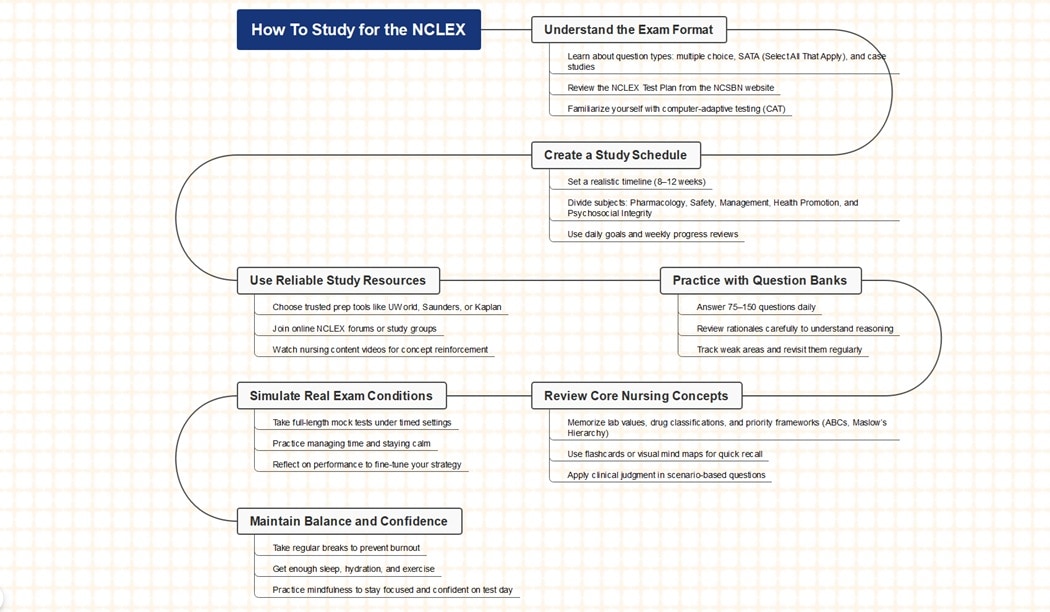
This NCLEX study mind map helps nursing students organize their preparation into clear stages. It starts with understanding the exam format, then focuses on building a personalized schedule and using trusted study materials for consistent progress.
It emphasizes active learning through question banks and review of rationales, which helps identify weak areas. Practicing with mock tests under real exam conditions strengthens confidence and time management before the actual NCLEX day.
Lastly, the diagram highlights the importance of maintaining balance through rest, mindfulness, and self-care. A calm, focused mindset improves retention and performance, helping students approach the NCLEX with confidence and clarity.
Conclusion
NCLEX is not only a test of your knowledge but also of your mental strength and management skills. If you work smartly by developing a study plan, taking practice exams, and making mind maps, you can expect to ace it.
EdrawMind is a tool that can be beneficial for preparing for the NCLEX. It offers many templates to help you create impressive and easy-to-remember mind maps. You can enhance your probability of success by using EdrawMind in your preparation.
FAQ
-
How many hours a day should I study for the NCLEX?
Most students study 3–5 hours daily. A focused study is better than long sessions. Break time into smaller blocks, review core topics, and use practice questions. Consistency is more important than length. Adjust based on your strengths and weak areas. -
What is the hardest part of the NCLEX?
Many find prioritization and delegation questions hardest. These items test critical thinking, not memorization. They ask you to decide which patient to see first or what task to assign. Practicing these scenarios daily helps you build skill and confidence. -
Can I pass the NCLEX without a review course?
Yes, you can pass with self-study if you use the right tools. Many rely on practice exams, NCLEX guides, and online question banks. Review courses help with structure, but disciplined study, consistent practice, and planning make independent preparation possible. -
Should I study alone or in a group?
Both approaches help. Solo study lets you move at your own pace and focus deeply. Group study adds accountability and exposes you to different perspectives. Mixing both methods often works best. Choose what keeps you consistent and engaged in learning. -
How many times can you take the NCLEX?
You can retake the NCLEX up to eight times a year, with a 45-day wait between attempts. Rules may differ by state. Many pass after the second try. Each attempt is a chance to review mistakes and strengthen weak areas.
 EdrawMind
AppsEdrawMind Online
EdrawMind
AppsEdrawMind Online