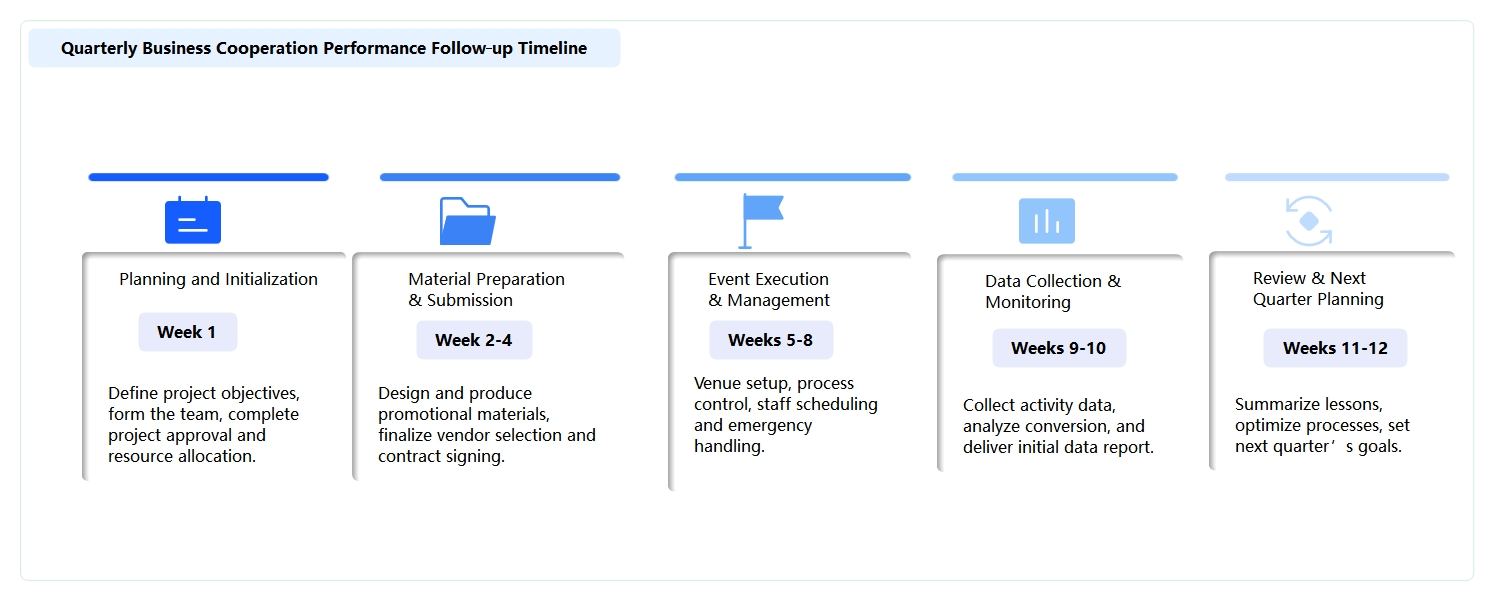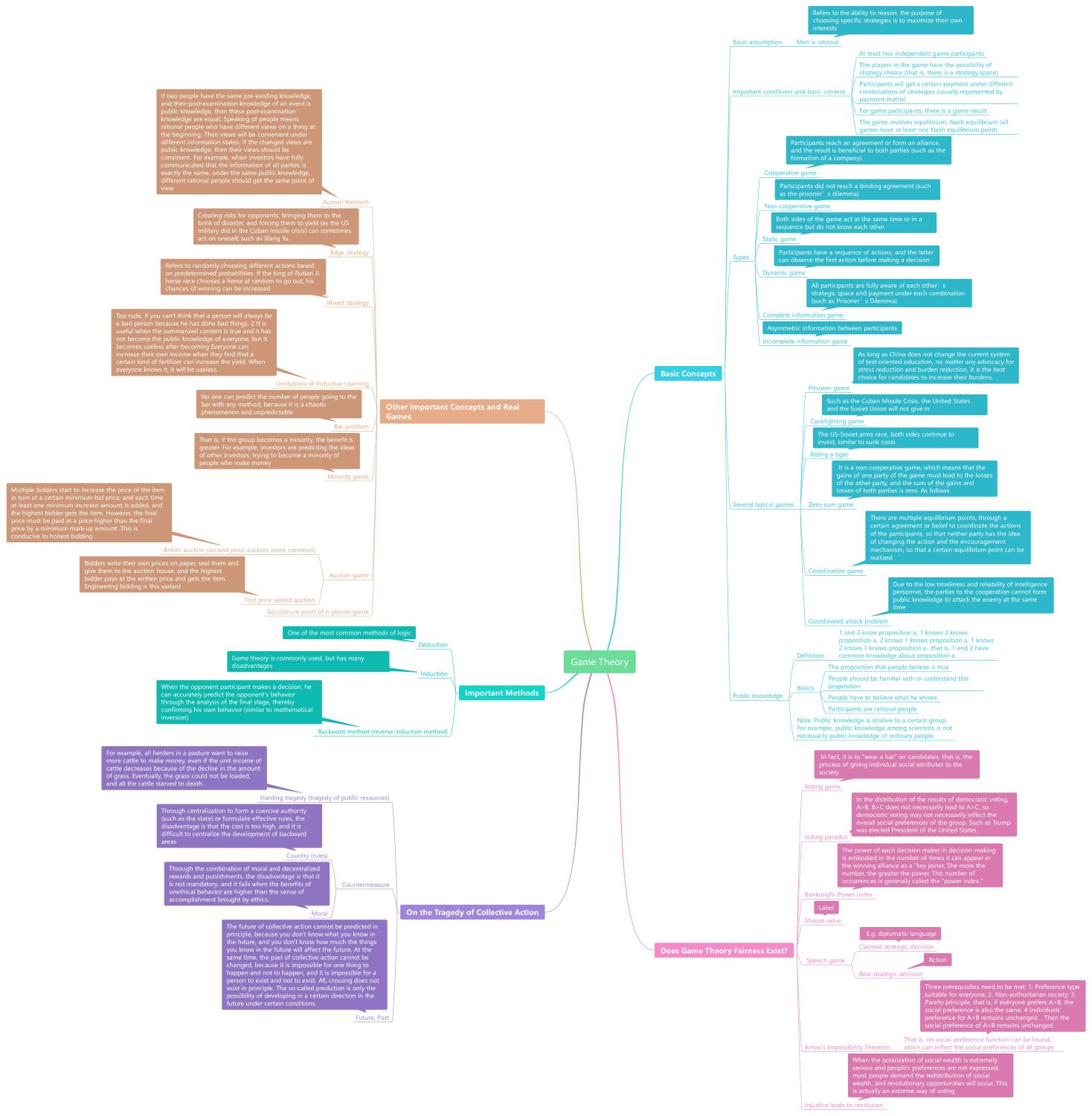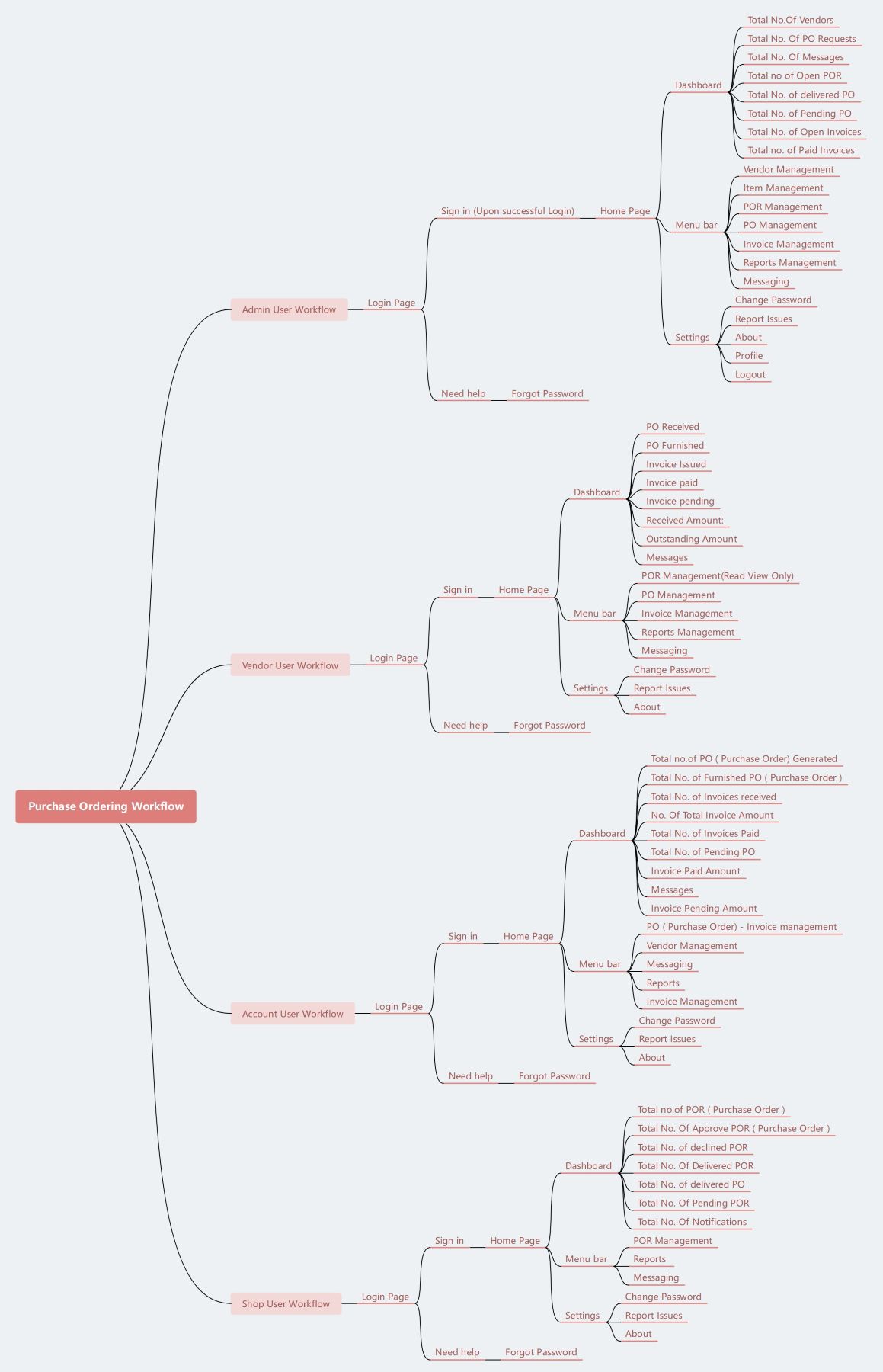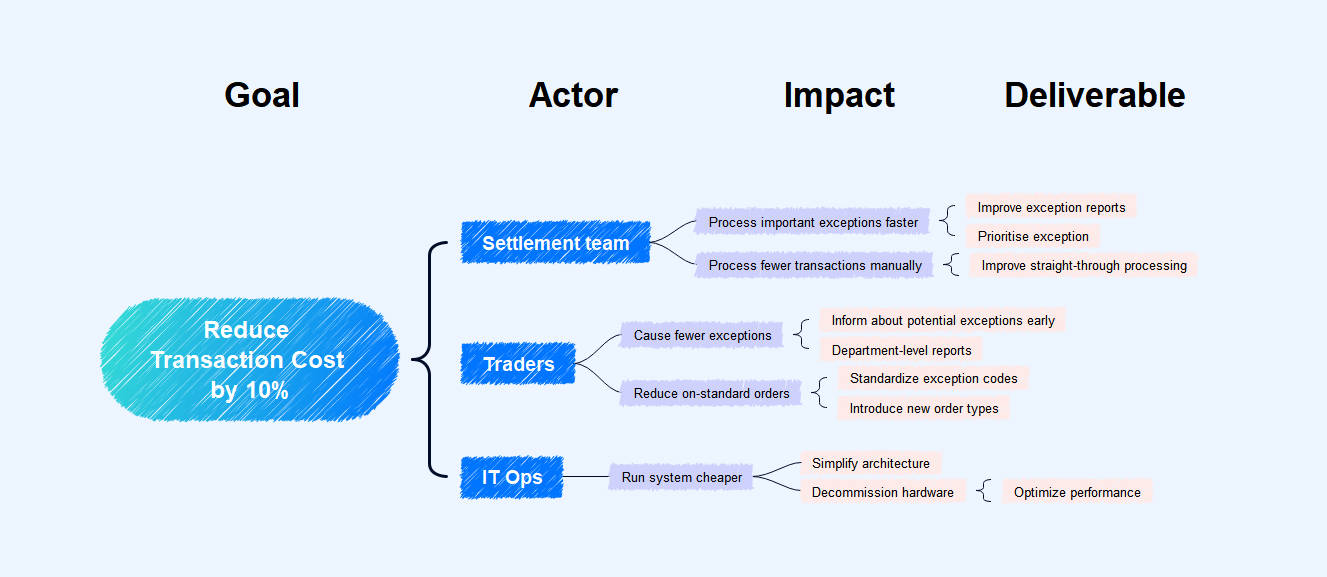
About this Core Objectives and Strategic Planning Template
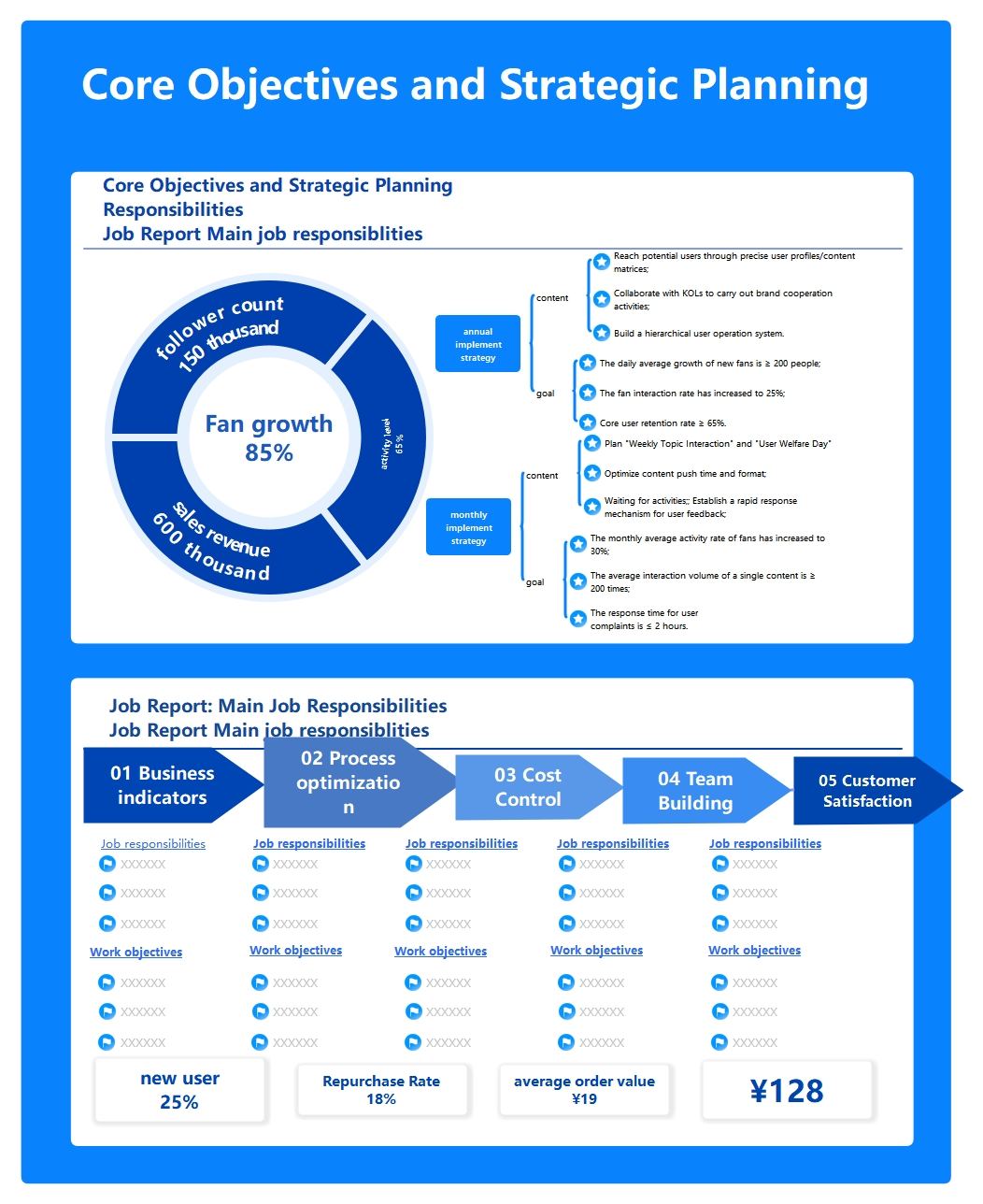
This template blends strategic planning with role-based reporting. It helps users connect top-level objectives and business indicators with job responsibilities and work goals so the structure can support both planning and later reporting.
Core Objectives and Strategic Planning Responsibilities
This branch defines the highest-level purpose of the role or function. It frames the strategic responsibilities that guide the rest of the planning and reporting structure.
Job Report Main job responsiblities
This section focuses on the recurring responsibilities that sit under the strategic layer. It helps translate broad objectives into the actual scope of day-to-day or role-level ownership.
01 Business indicators
This branch records the business indicators used to measure success. It gives the template a quantitative side so objectives can be linked to observable results rather than staying purely conceptual.
Job responsibilities
This section clarifies what the position or function is expected to deliver in practical terms. It is useful for aligning strategic expectations with actual accountable work.
Work objectives
This branch turns the structure toward action. It provides a place to define the concrete objectives that should guide the next planning or reporting cycle.
Planning and Reporting Link
This final section reflects the dual nature of the map. It helps users treat the template as both a strategy structure and a job-report framework instead of forcing those two uses into separate documents.
FAQs about this Template
-
What are core objectives in strategic planning?
Core objectives are the main outcomes an organization or team is trying to achieve over a defined period. They matter because strategy becomes much clearer when people can see what truly matters, rather than treating every possible initiative as equally important.
-
How do you build a strategic plan?
A strategic plan usually starts with the main objective, then connects that objective to priorities, initiatives, timing, risks, and the measures that will show whether progress is real. A useful strategy plan turns ambition into clear decisions about what the organization will and will not focus on.
-
Why is strategic planning important?
Strategic planning is important because it creates direction before resources are spread too thin across too many competing ideas. Good planning helps teams align action with purpose and makes it easier to judge whether daily work is actually moving the organization closer to the intended outcome.
-
What's the difference between an objective and a tactic?
An objective describes the result you want to achieve, while a tactic is a specific action used to help reach that result. The difference matters because many weak plans confuse activity with strategy and end up very busy without being clearly directed.