About this project management process template
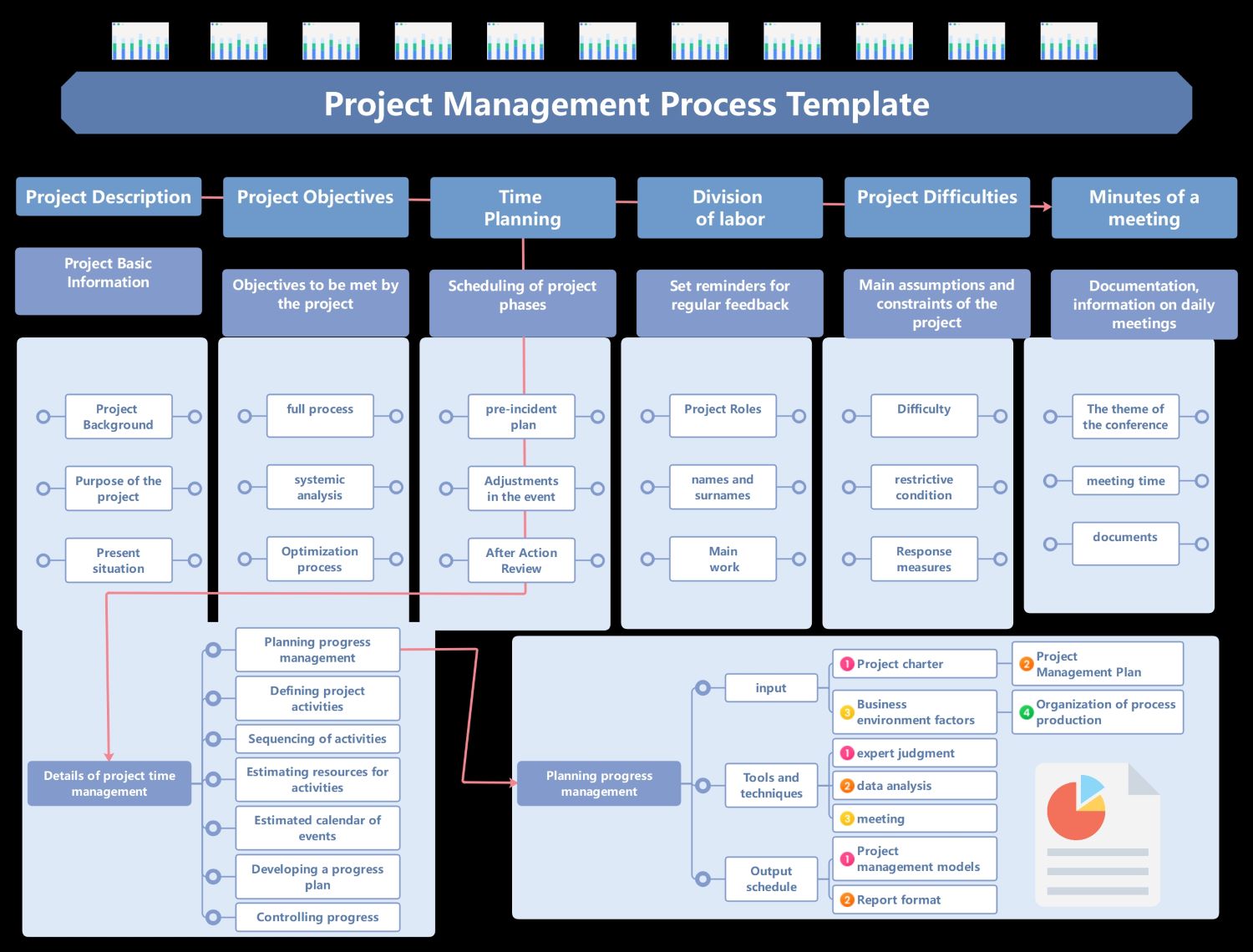
This template provides a clear roadmap for managing complex projects. It covers everything from basic descriptions and objectives to time planning and meeting minutes. Using this visual guide helps teams stay aligned and ensures no critical step is missed during execution.
Project Description
This section captures the essential high-level details of the initiative. It provides context for why the project exists and what the current status is. This foundation is crucial for all stakeholders to understand the project.
- Project Background
- Purpose of the project
- Present situation
Project Objectives
Setting clear goals is vital for measuring success throughout the project lifecycle. These objectives define what the project needs to achieve through systemic analysis and process optimization. They ensure the final output meets all business requirements.
- Full process
- Systemic analysis
- Optimization process
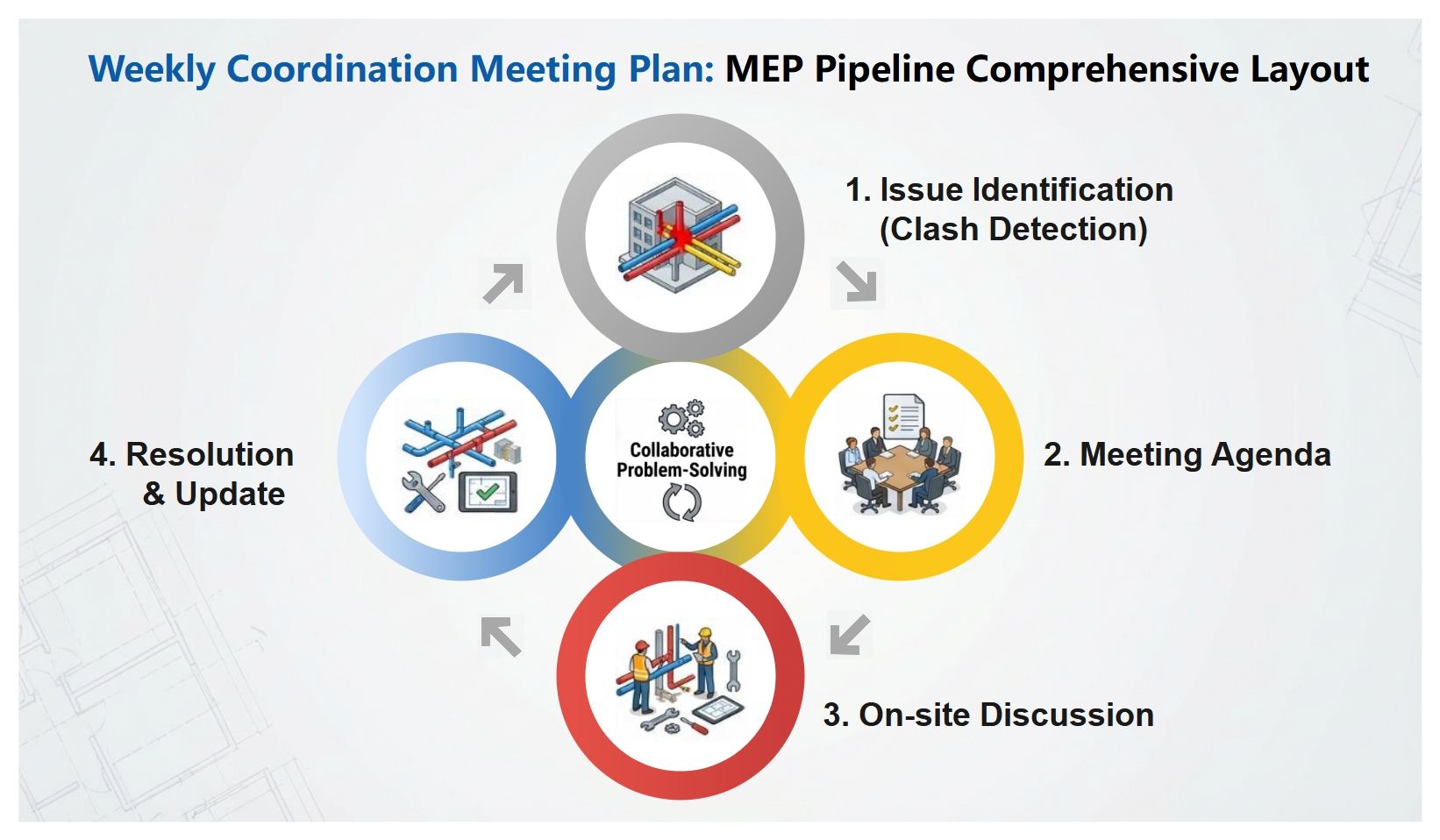
Time Planning
Effective scheduling keeps the project on track and ensures deadlines are met. This node focuses on planning project phases and making adjustments when unexpected events occur. It also includes reviews to improve future planning efforts.
- Pre-incident plan
- Adjustments in the event
- After Action Review
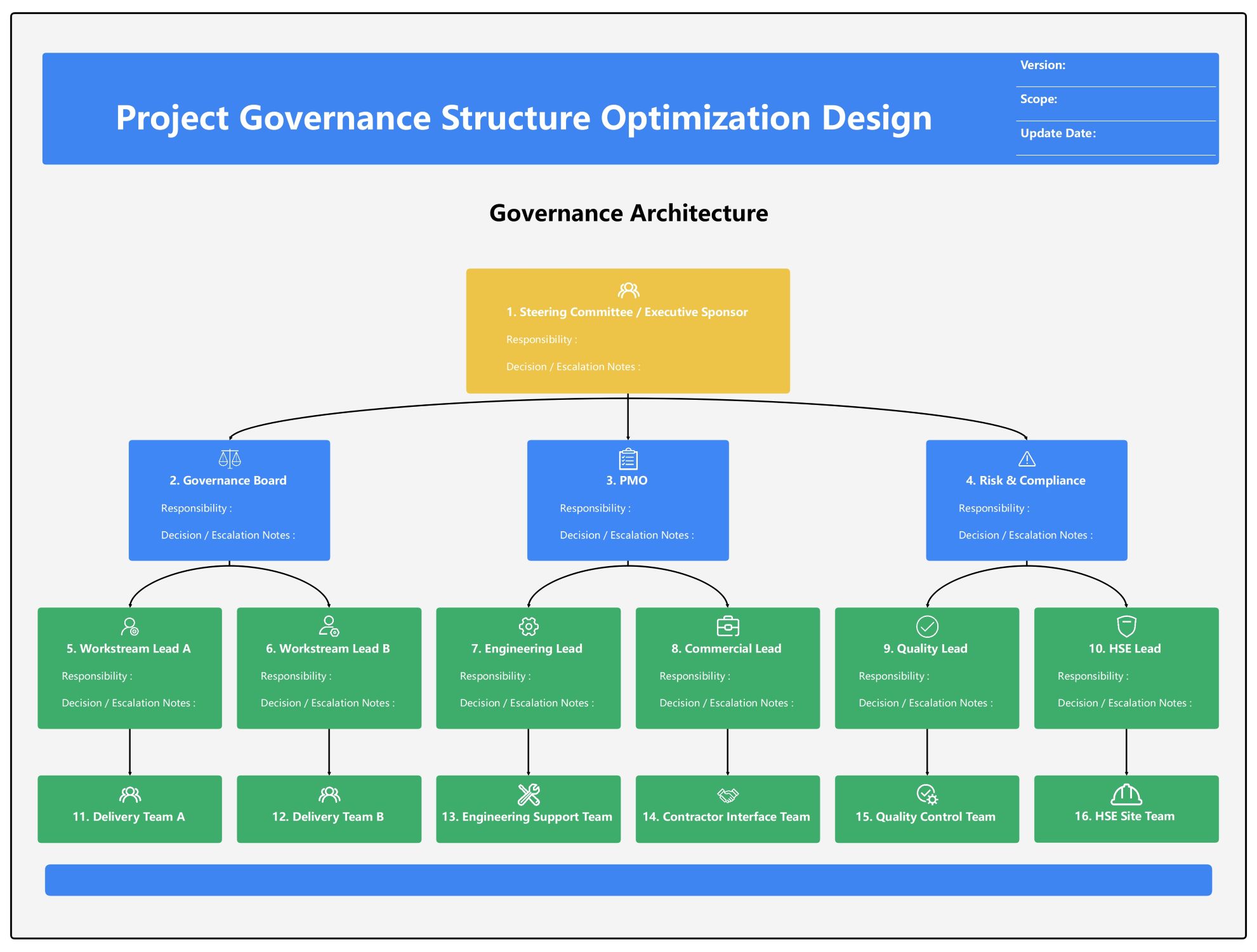
Division of Labor
Success depends on knowing who is responsible for each task within the team. This section helps define roles and sets reminders for regular feedback. It ensures that every team member knows their specific assigned work.
- Project Roles
- Names and surnames
- Main work
Project Difficulties
Proactively identifying risks and constraints helps the team prepare for potential roadblocks. This section outlines the main assumptions and constraints that might impact the timeline. It also includes response measures to mitigate these identified risks.
- Difficulty
- Restrictive condition
- Response measures
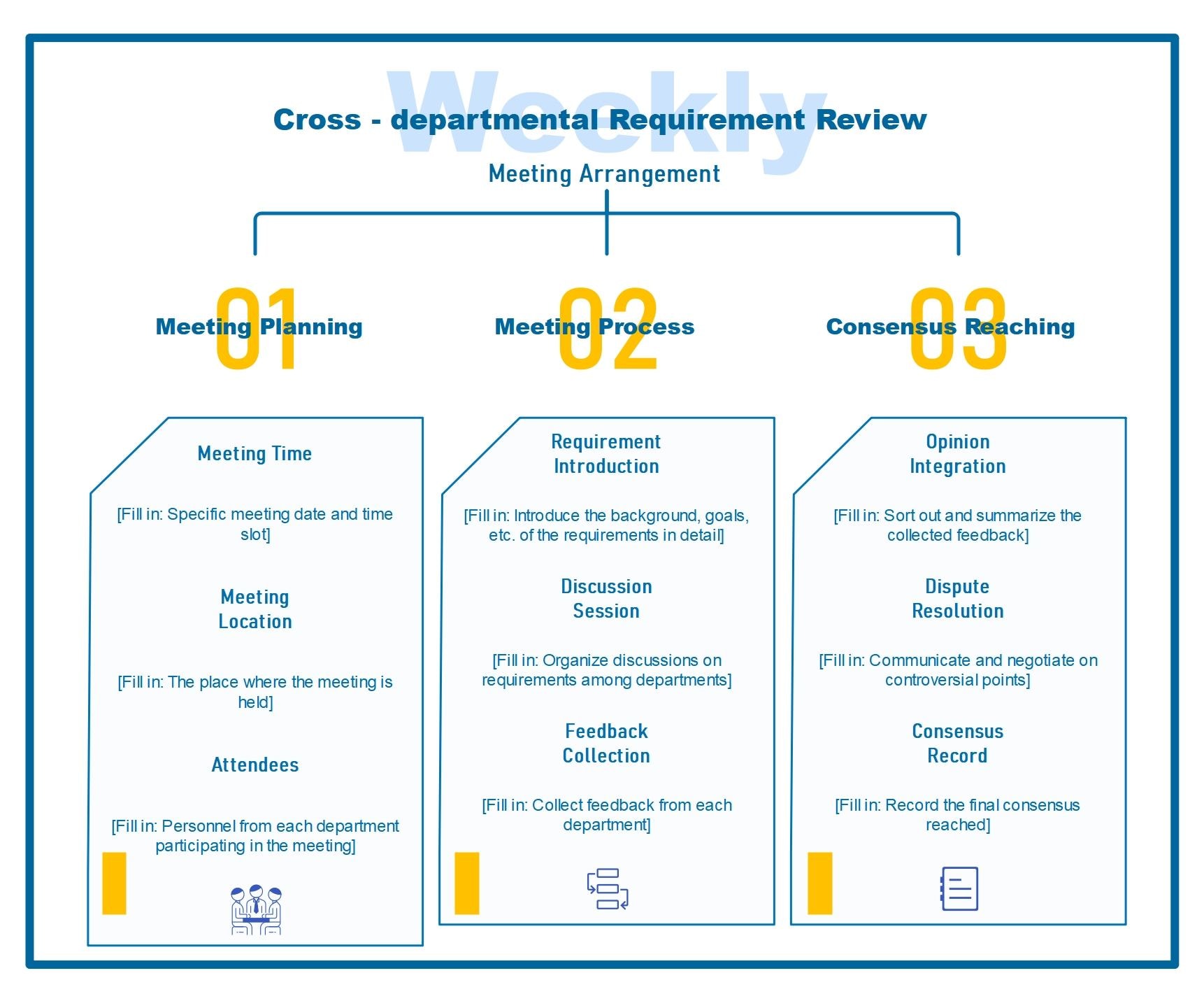
Minutes of a Meeting
Keeping accurate records of discussions and decisions is essential for long-term project health. This documentation records the theme, time, and key documents from meetings. It serves as a historical record and keeps everyone informed.
- Theme of the conference
- Meeting time
- Documents
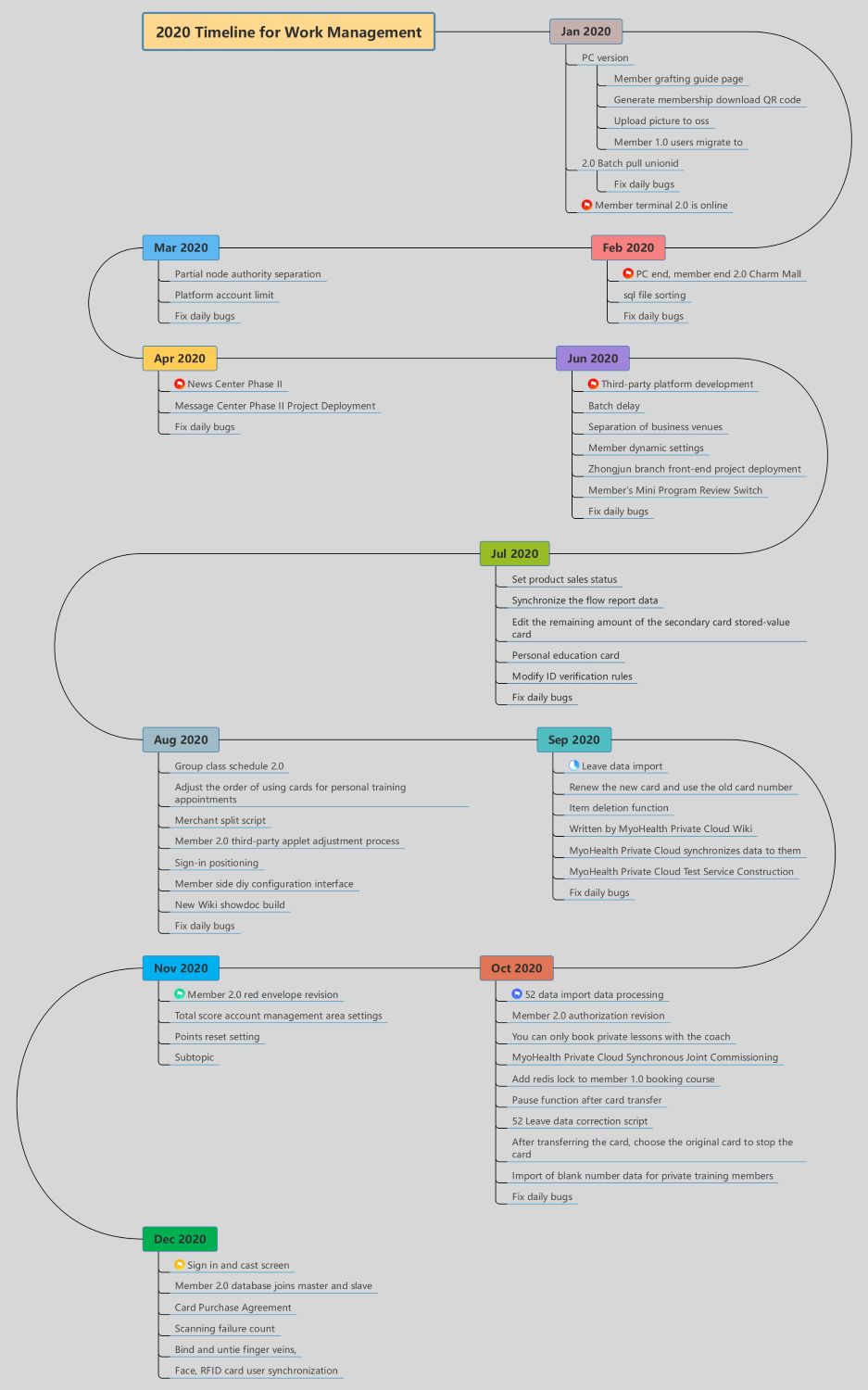
Details of Project Time Management
This deep dive into time management explores the specific steps needed to control the schedule. It involves defining activities, sequencing them logically, and estimating resources. This granular approach prevents scheduling conflicts and ensures a realistic timeline.
- Defining project activities
- Sequencing of activities
- Estimating resources
- Controlling progress
FAQs about this Template
-
Why is a project management process important?
A project management process is important because it provides a consistent framework for team success. It helps in defining clear goals, optimizing resources, and tracking progress accurately. Without a structured process, projects often suffer from scope creep and missed deadlines. Having a standard roadmap ensures every team member understands their role and contributes effectively toward the outcome.
-
How do you identify project constraints early?
Identifying project constraints early requires a thorough analysis of the project environment and requirements. Managers should consult with key stakeholders to understand budget limits and resource availability. Using a template to list potential difficulties and restrictive conditions helps in visualizing risks. Early detection allows the team to develop response measures and adjust the plan before these constraints turn into major roadblocks.
-
What role does meeting documentation play in projects?
Meeting documentation is vital for maintaining transparency and accountability within a project team. It records the key decisions made, tasks assigned, and the overall status of project phases. These records serve as a single source of truth that prevents misunderstandings. Additionally, documentation helps new team members catch up quickly and provides a valuable historical reference for future planning sessions.